5 hr
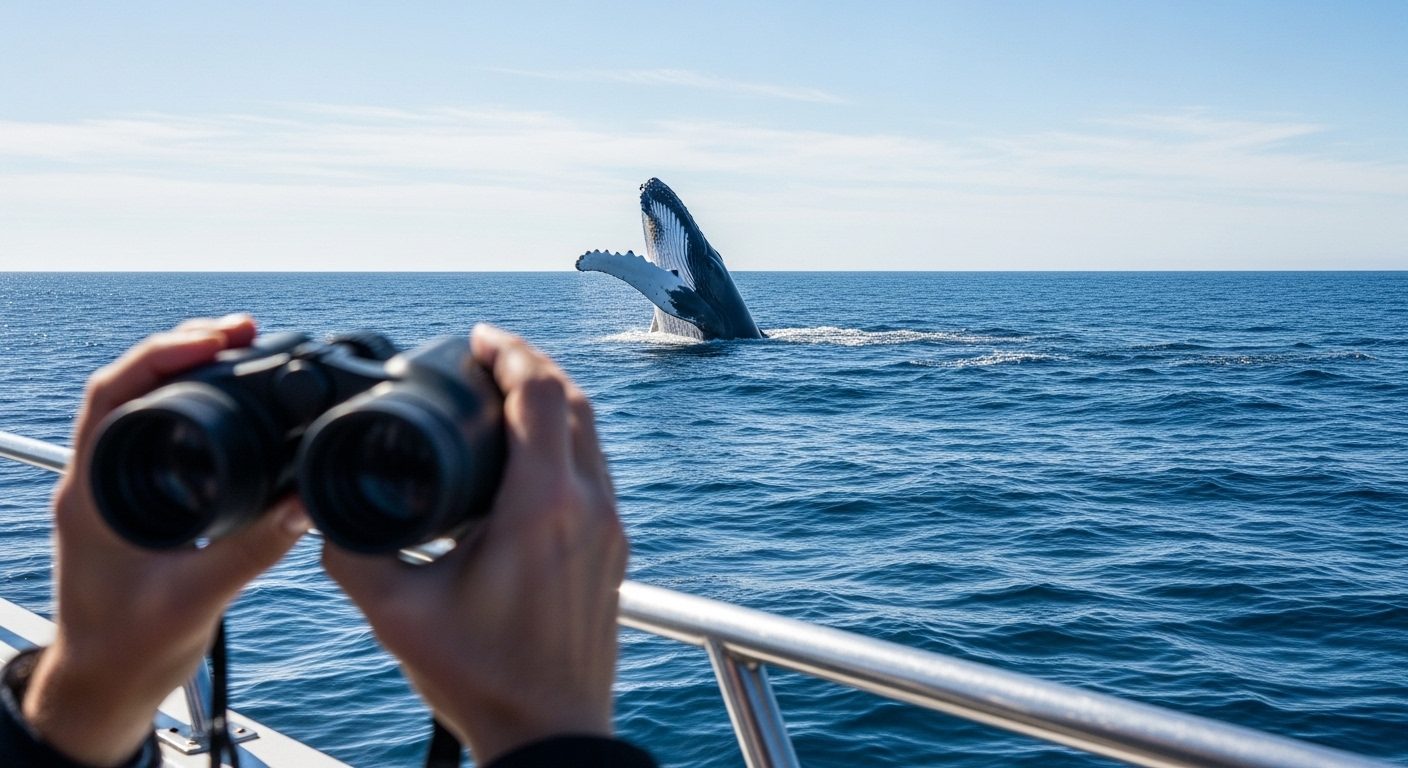
Vancouver Whale & Wildlife Watching Adventure with Complimentary Photos
- Entry ticket
- Mobile voucher
- Valid same day
- Free cancellation
San Juan Islands Whale Watching — Orca Encounters & Naturalist-Led Tours
Track resident pods through Haro Strait, hydrophones translating every call
Compare fares, pick the fit — all bookings are mobile-voucher and eligible for free cancellation where shown.
5 hr
3 hr 30 min
3 hr 30 min
| Experience | Duration | Rating | Guide | Small group | Free cancel. | Price | |
|---|---|---|---|---|---|---|---|
|
Standard Entry
Most popular
Vancouver Whale & Wildlife Watching Adventure with Complimentary Photos
|
5 hr | ★ 4.8 | — | — | ✓ | $186 | Book → |
|
Standard Entry
Orcas Island Whale Watching Speedboat Adventure
|
3 hr 30 min | ★ 4.8 | — | — | ✓ | €102 | Book → |
|
Standard Entry
Anacortes Whale Watching Zodiac Adventure
|
3 hr 30 min | ★ 4.8 | ✓ | ✓ | ✓ | $149 | Book → |
Commercial boat tours offer better mobility for tracking marine mammals, whereas Lime Kiln Point State Park provides a serene, stationary vantage point for observing orca pods from the shoreline.
|
Top pick Boat Tours |
Lime Kiln State Park | |
|---|---|---|
| Mobility | High (active tracking) | None (stationary) |
| Chance of sightings | High (vessel repositioning) | Moderate (coastal transit) |
| Cost | 120–180 USD (summer) | 5 USD (parking permit) |
| Time commitment | 3–4 hours | Flexible (self-paced) |
| Accessibility | Requires boat boarding | ADA trails available |
| Proximity to whales | Close range | Shoreline distance |
| See tickets & prices |
Verdict: Securing san juan islands whale watching tickets provides the most dynamic encounter, while visiting the park is ideal for those preferring a quiet, budget-friendly san juan islands whale watching tour experience.
Hand-picked experiences loved by thousands of travelers
4 hours
Free Cancellation
High-speed boat journey through the San Juan Islands seeking killer whales in the Salish Sea
4 hours
Free Cancellation
Hunt for Biggs orcas aboard high-speed vessels with expert naturalists and a 95% sighting guarantee
4 to 6 hours
Free Cancellation
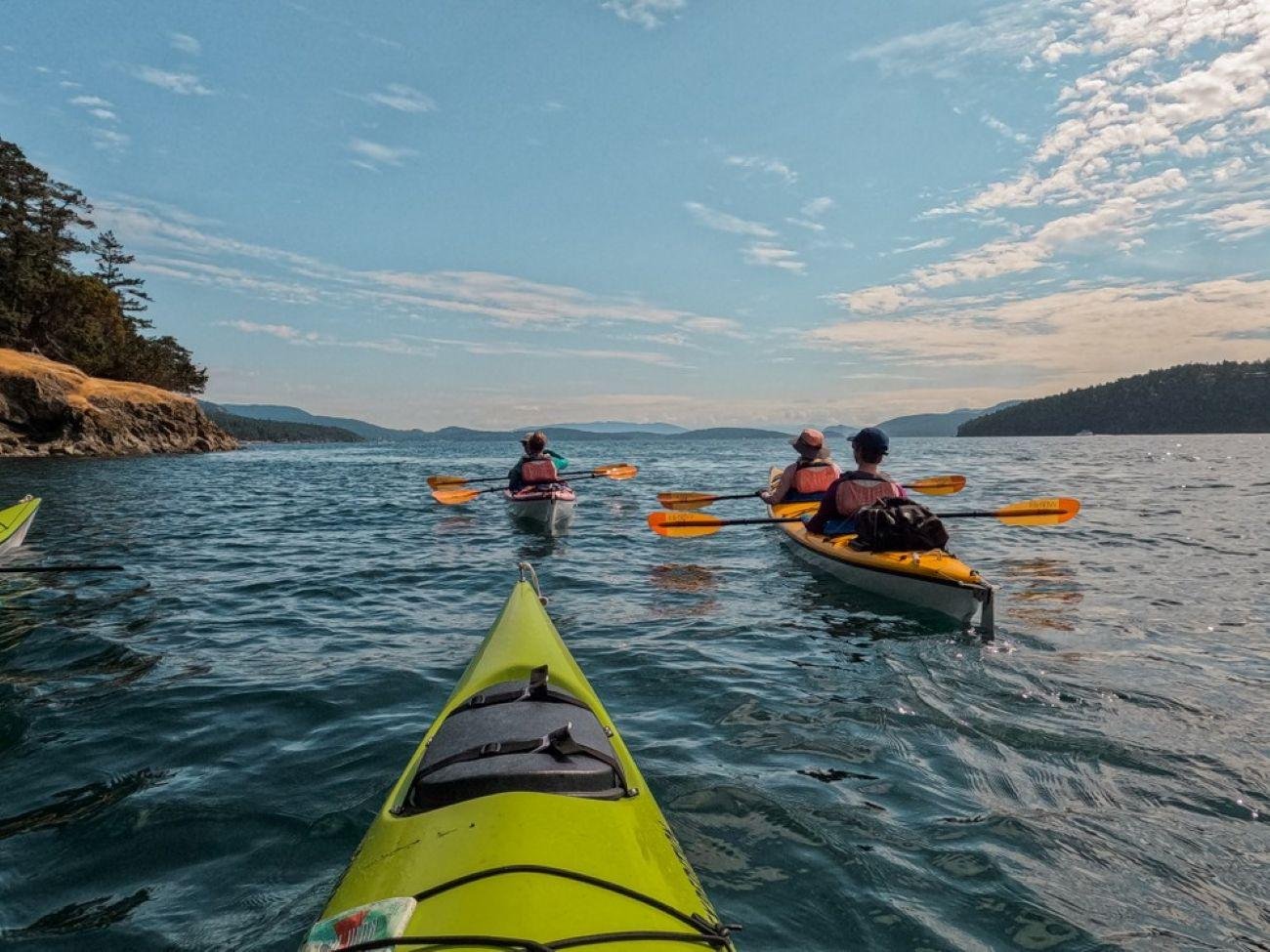
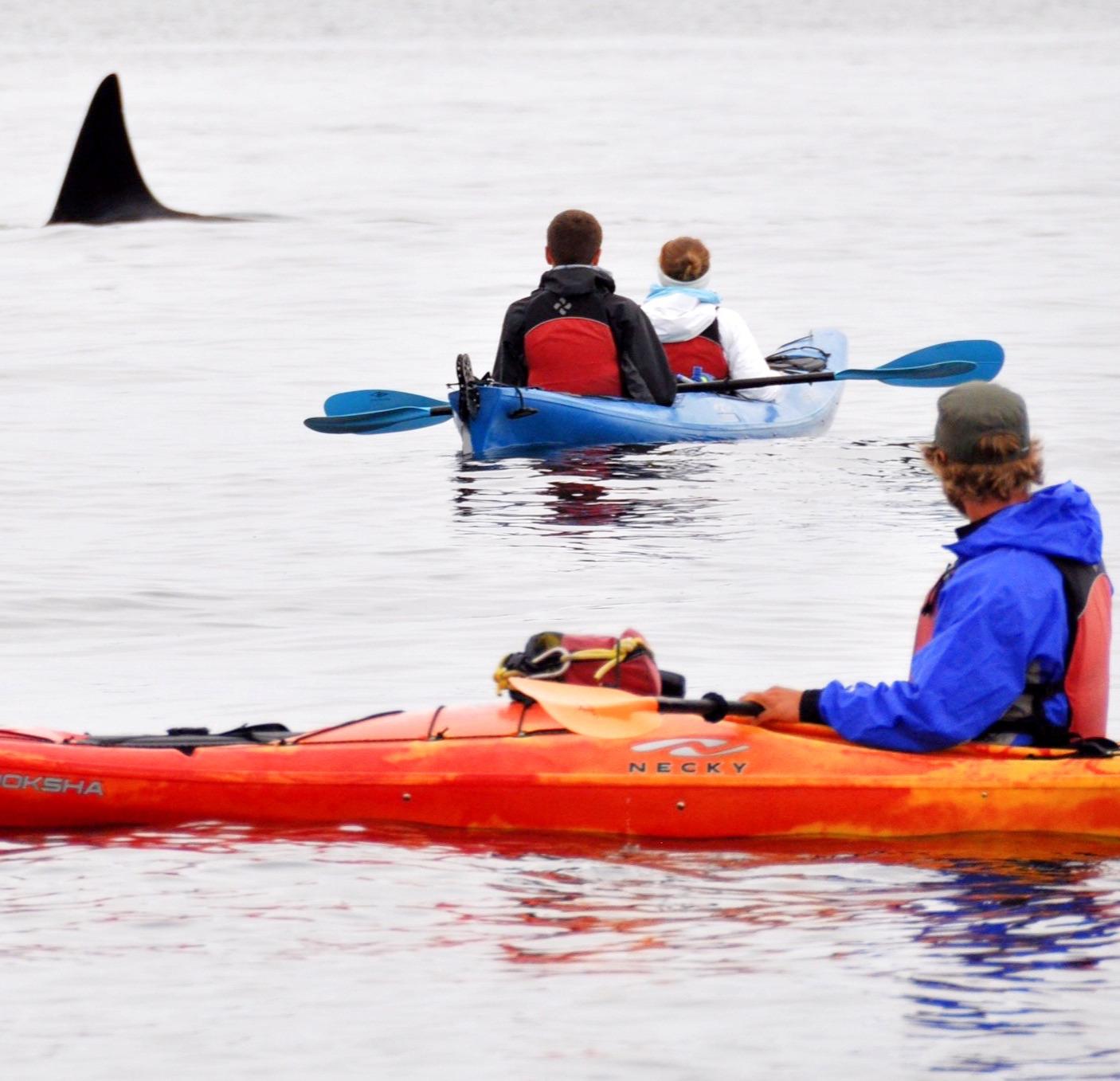
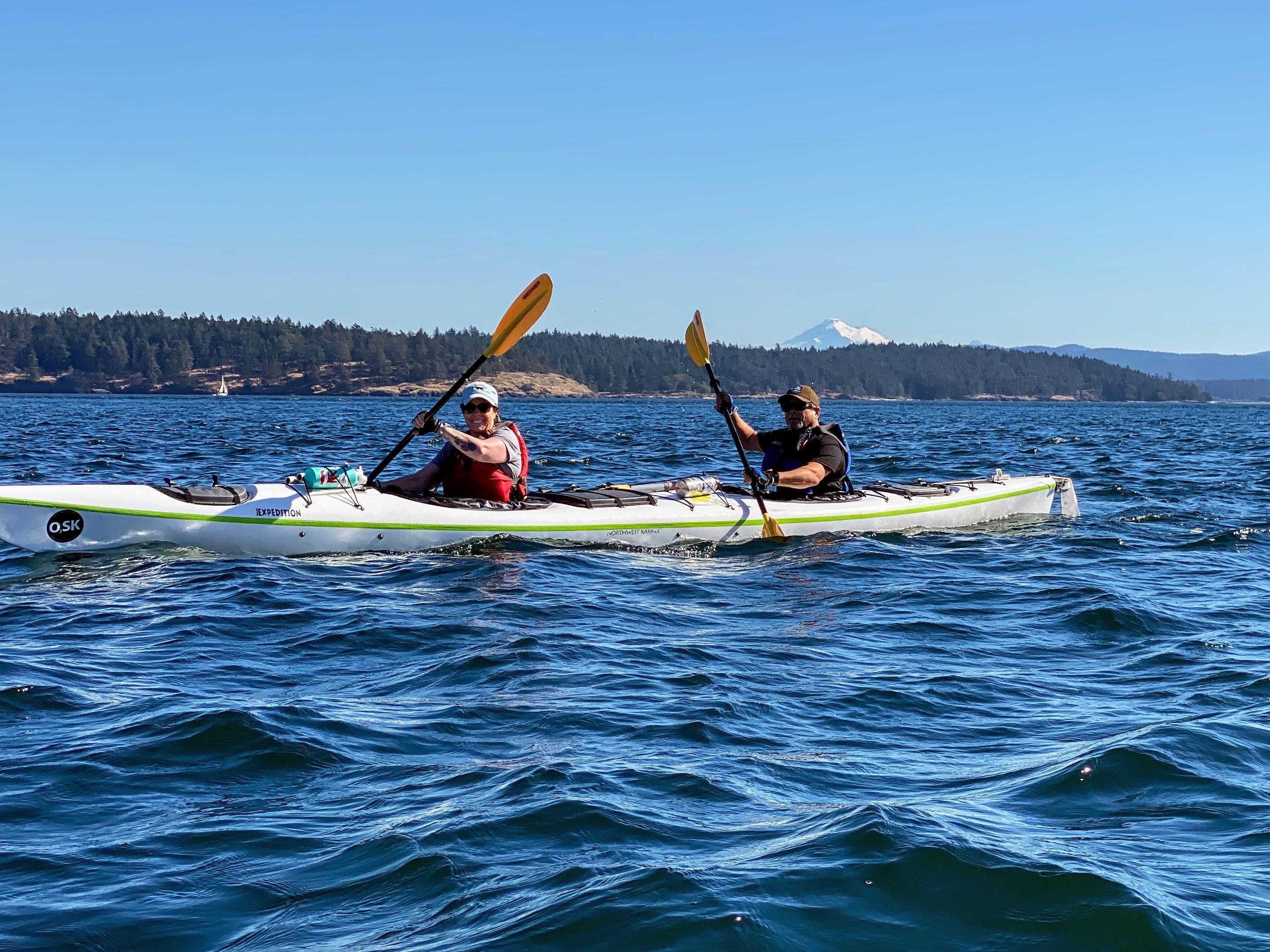
Explore pristine waters by kayak while searching for orcas, humpbacks, and eagles along dramatic coastline
3 hours
Free Cancellation
Explore the scenic Salish Sea by kayak, spotting seals and eagles en route to secluded Point Doughty.
2 hours
Free Cancellation
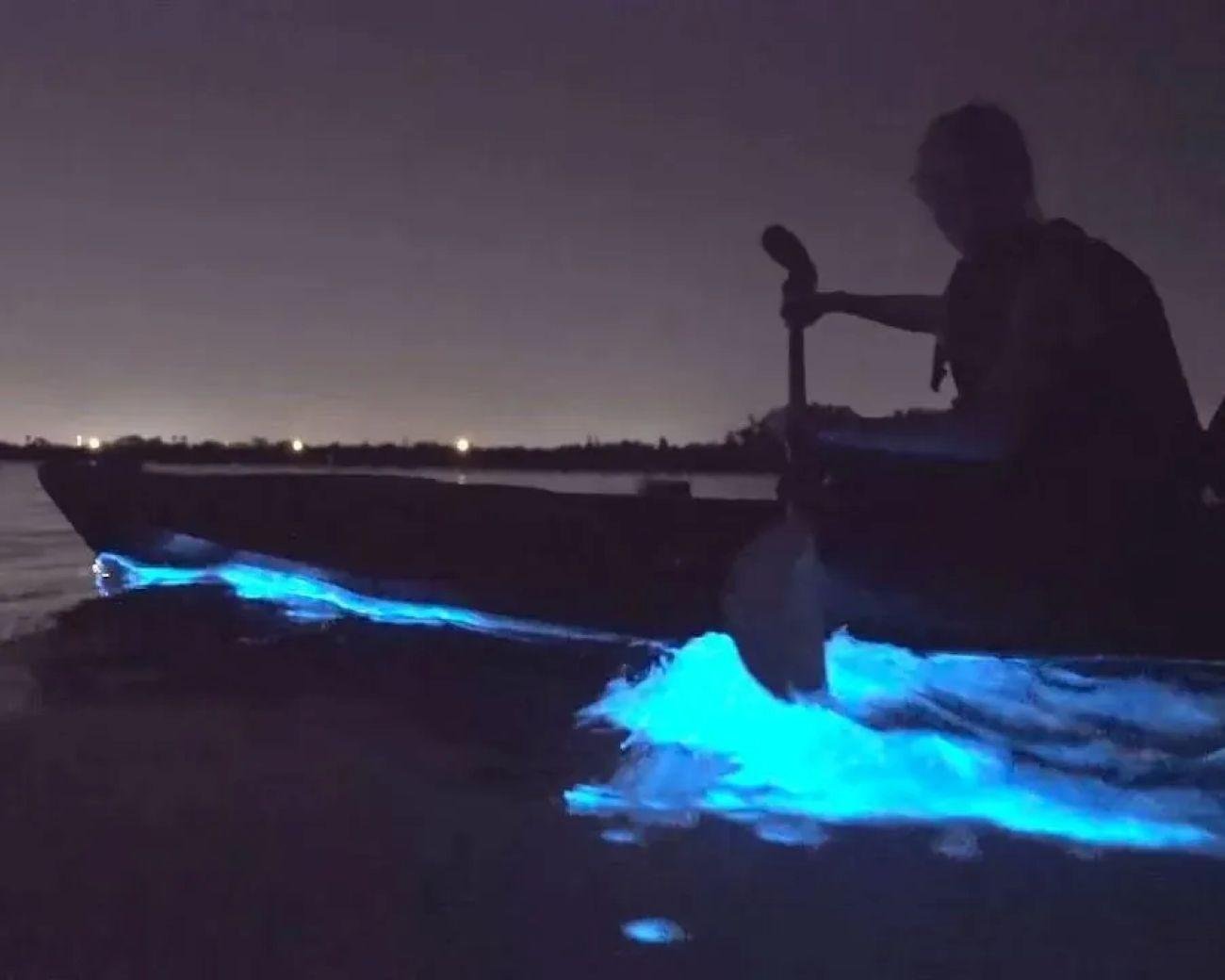
Paddle through glowing waters under starlit skies on this enchanting evening adventure from Rosario Resort
6 hours
Free Cancellation
Paddle the pristine waters of Haro Strait with expert guides, spot marine wildlife, and savor lunch overlooking mountain vistas
4 hours
Free Cancellation
Four-hour guided paddle exploring rugged cliffs, hidden coves, and prime whale-watching waters
7 hours
Free Cancellation
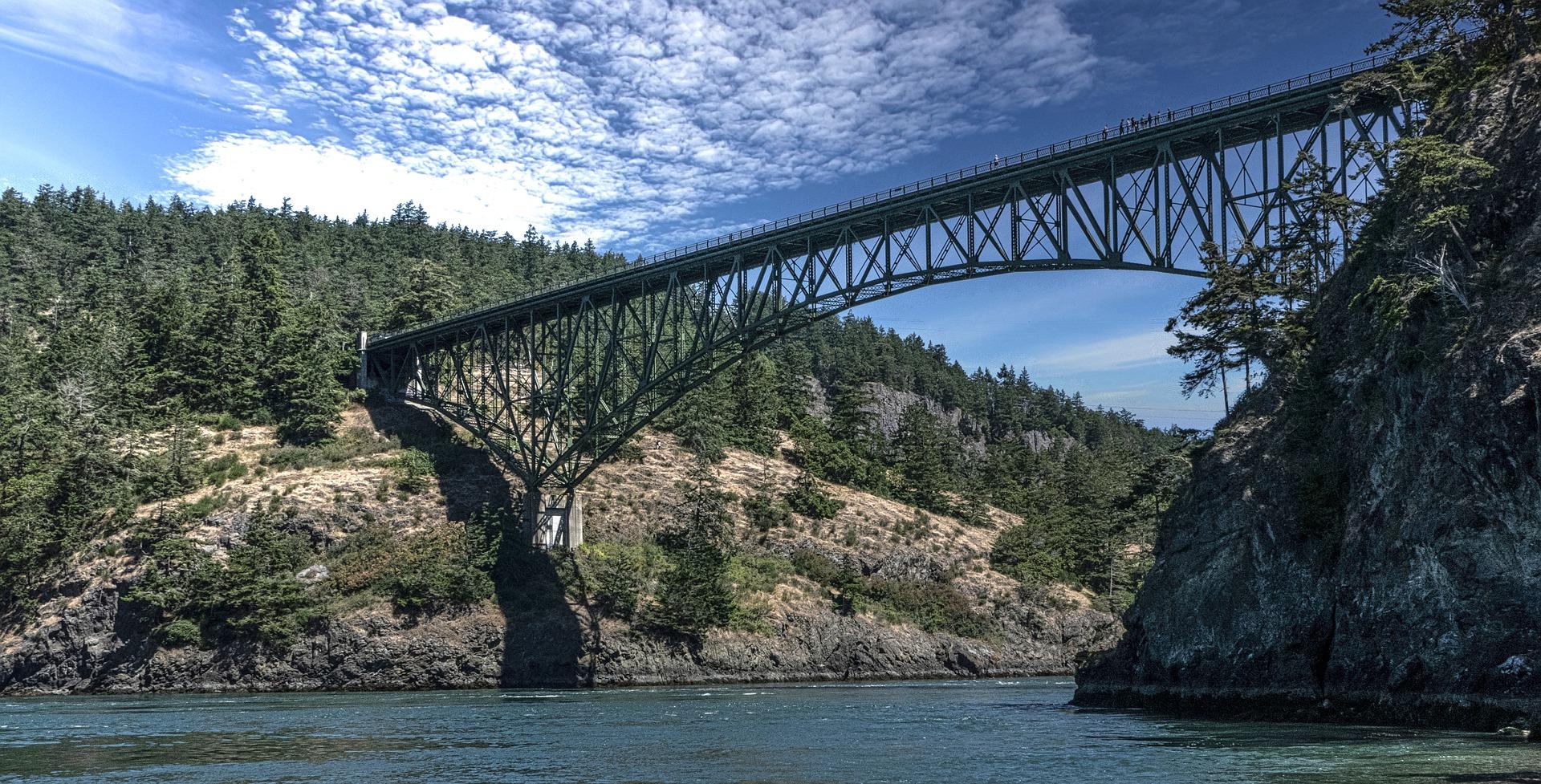
Discover dramatic coastal bridges, historic towns, and military heritage on this full-day island adventure
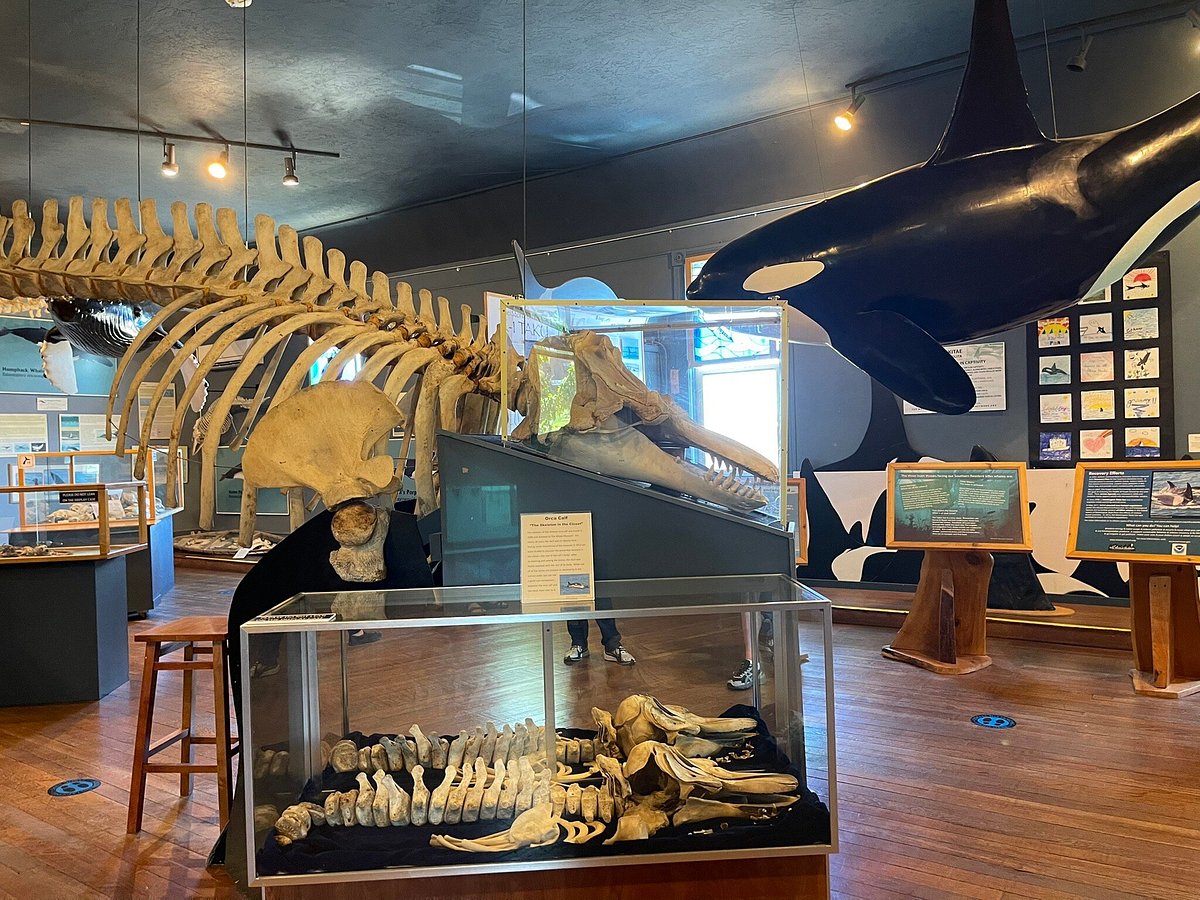
Dedicated to the study and conservation of Southern Resident orcas through exhibits and research.
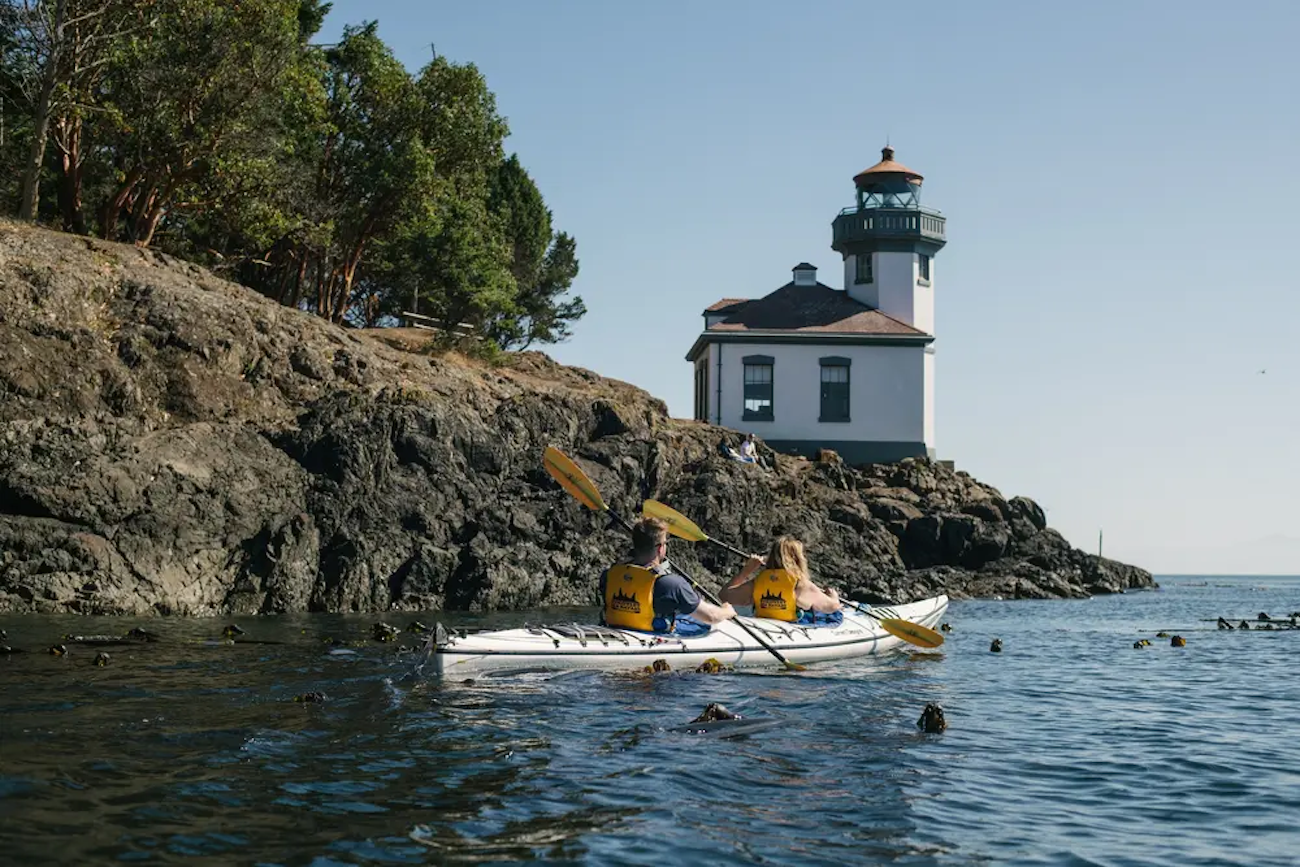
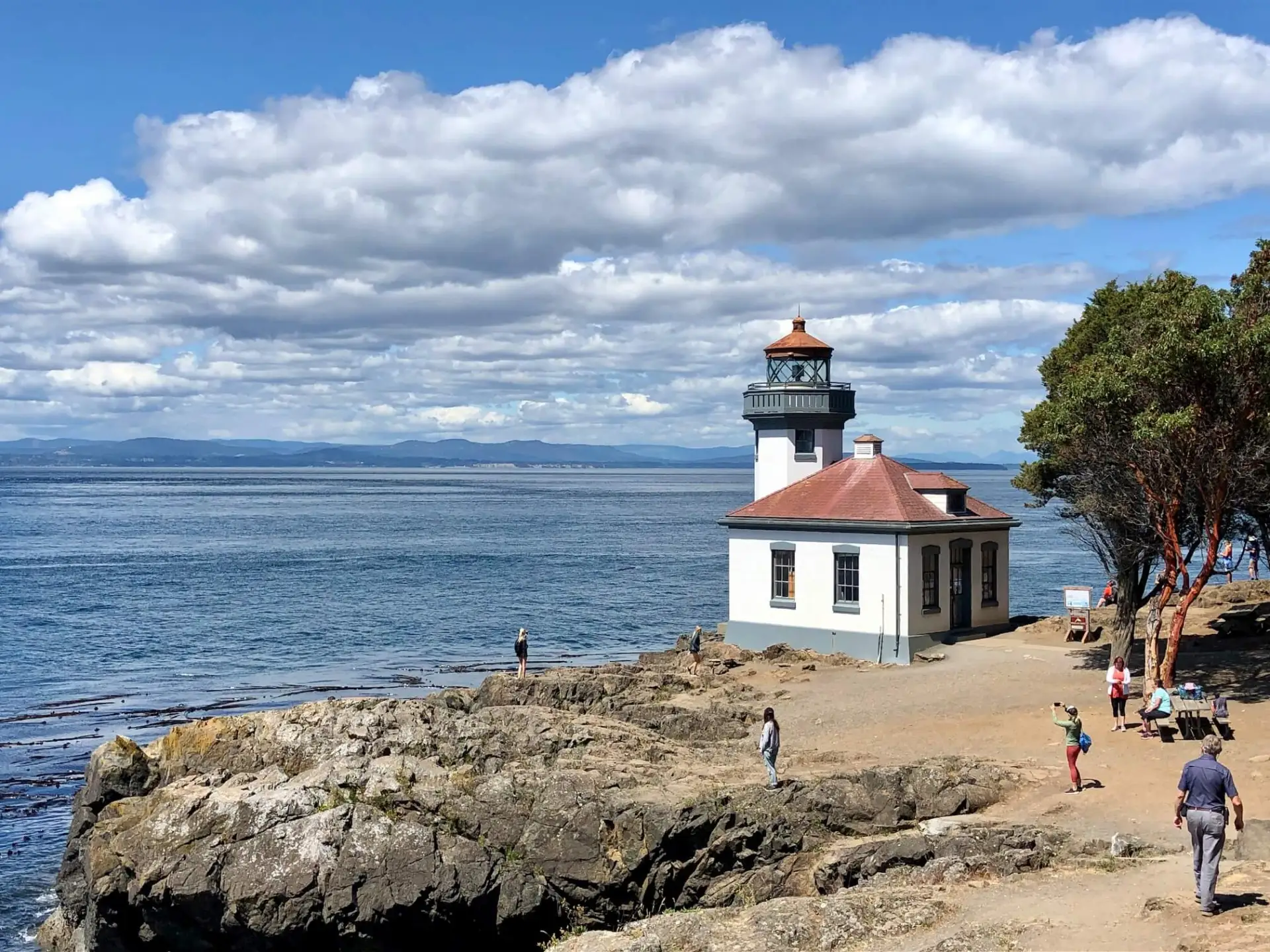
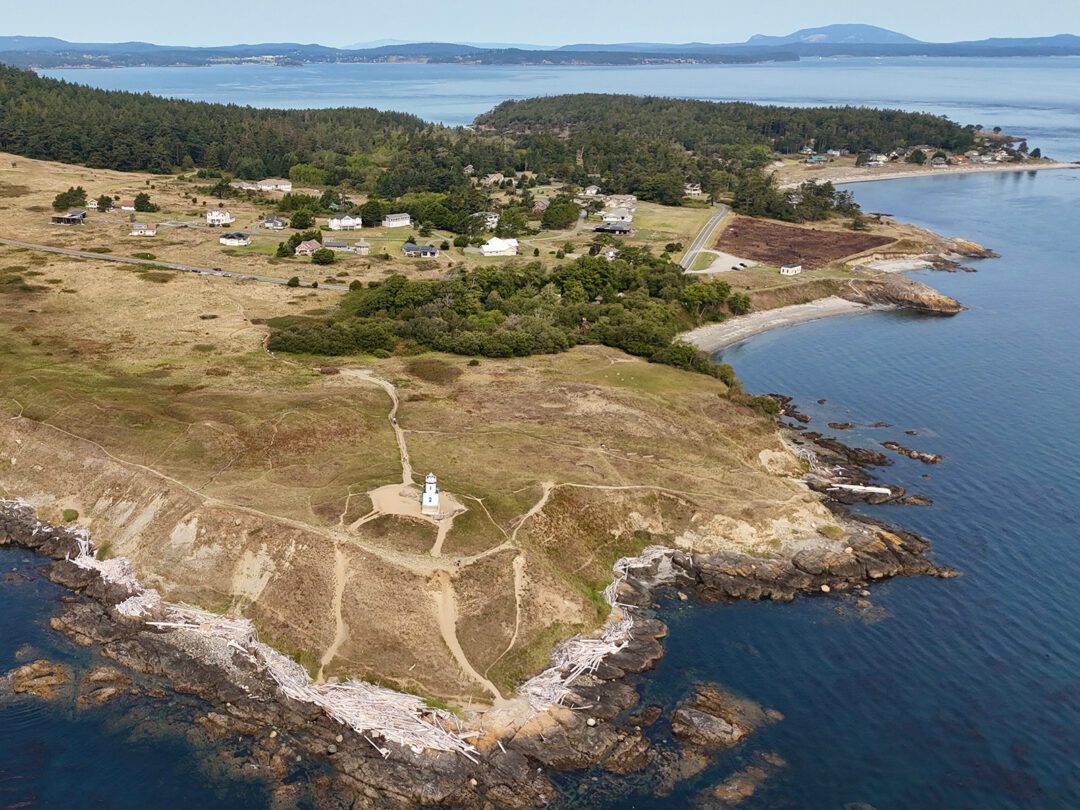
A famous lighthouse area that provides opportunities for land-based marine mammal observation.
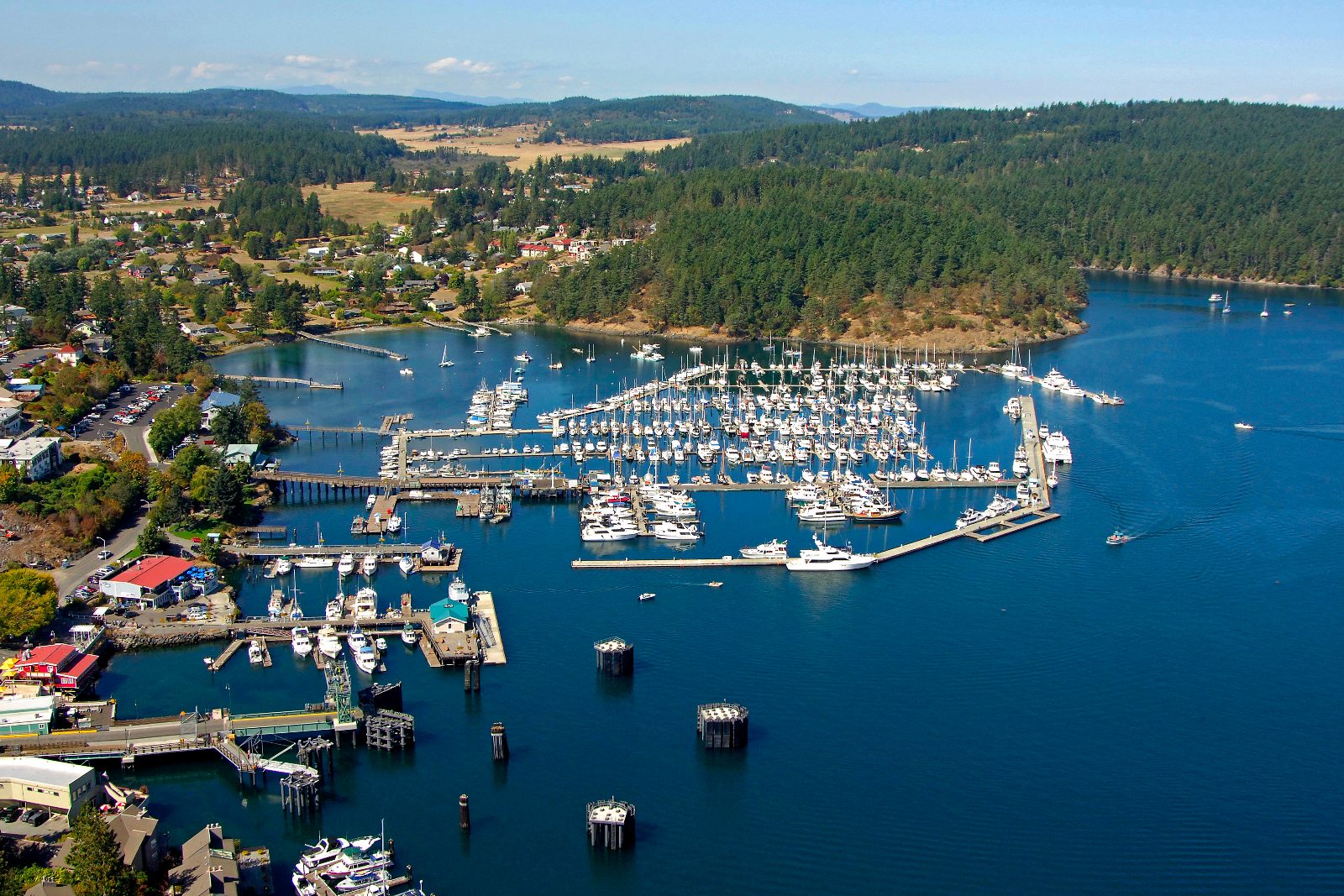
The bustling central waterfront where most commercial tour vessels dock for daily departures.
Known as a primary feeding ground where orcas are frequently sighted during summer months.
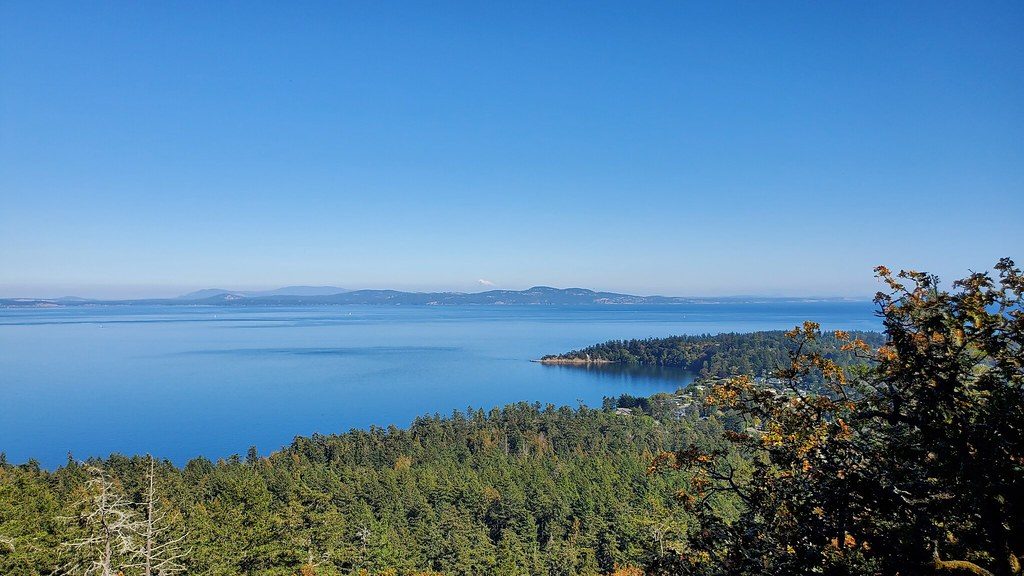
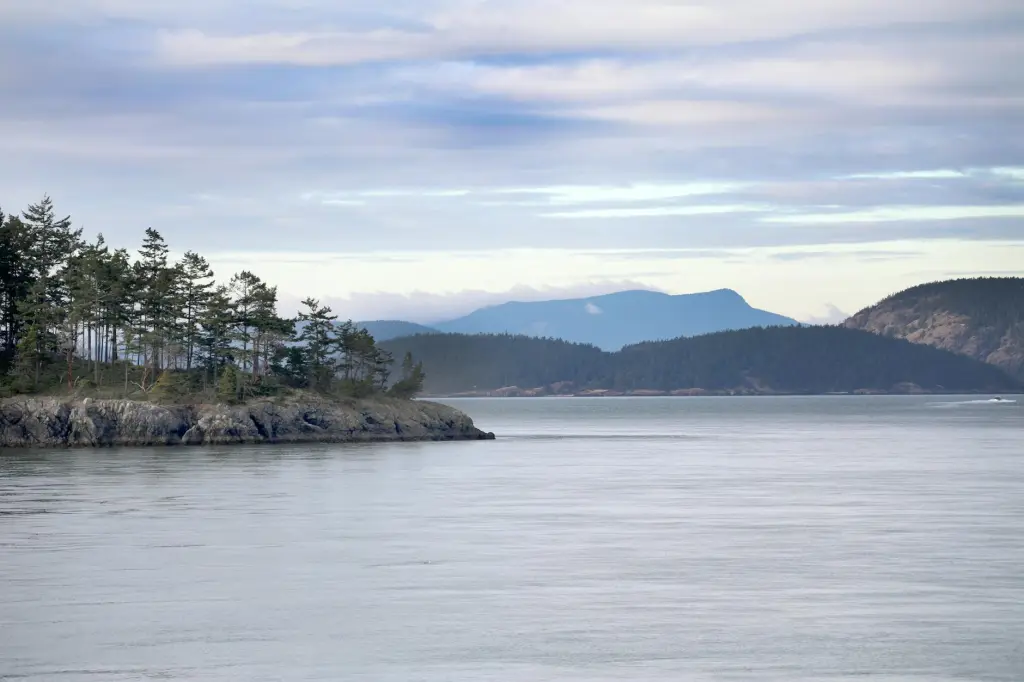
The vast, biodiverse body of water that serves as the habitat for various whale and bird species.
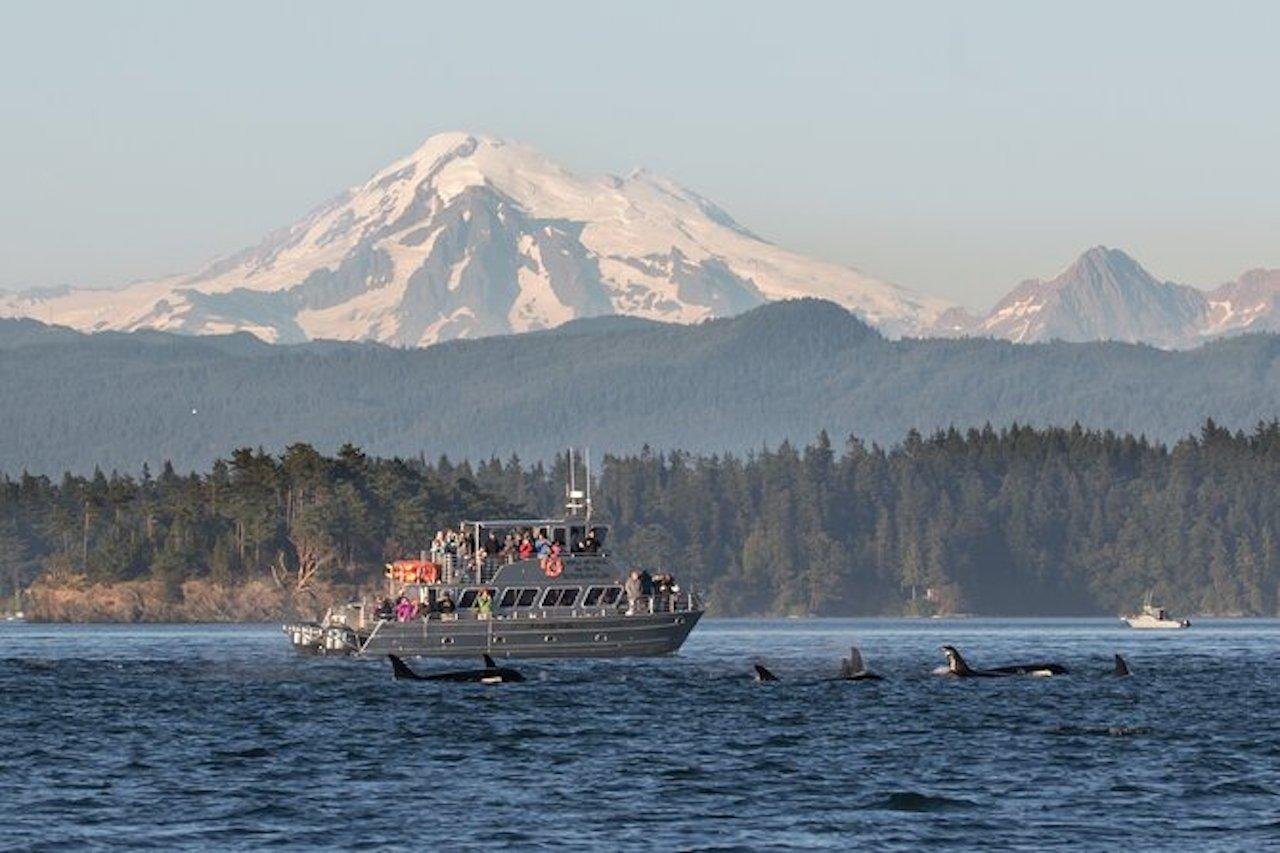
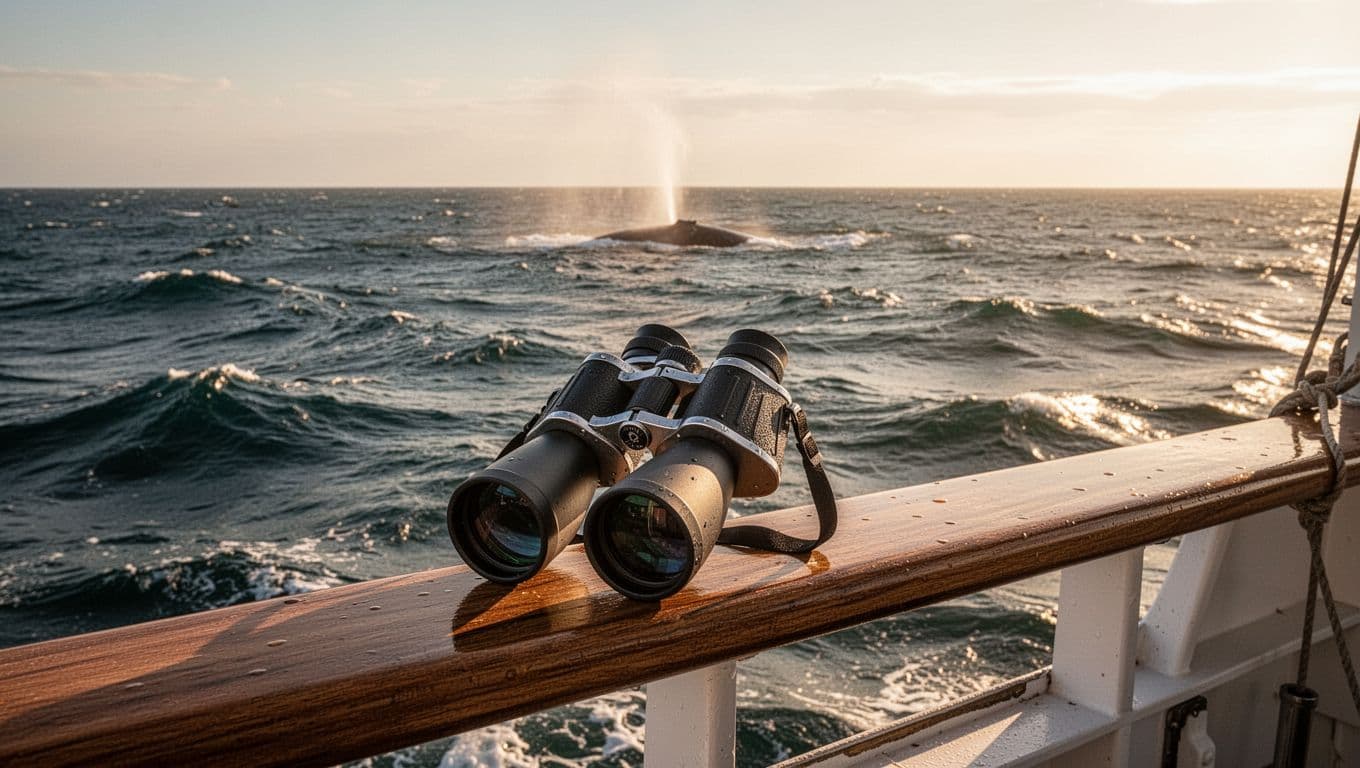
You board a cruiser-class vessel at Friday Harbor's main terminal at half past eight, the deck already crowded with binoculars and waterproof jackets as the naturalist briefs the group on pod identification techniques—J-pod's rounded saddle patches versus K-pod's more angular markings.
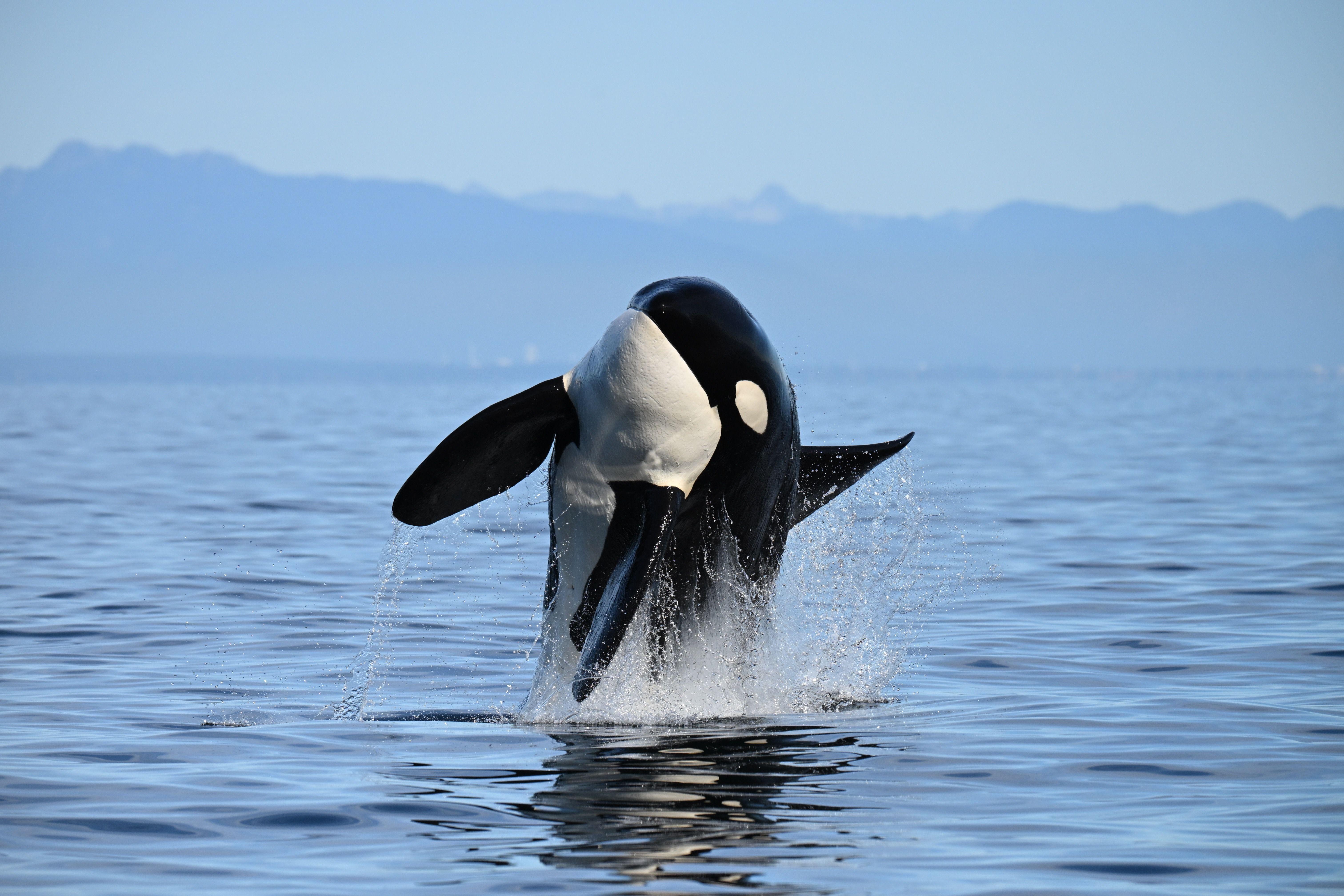
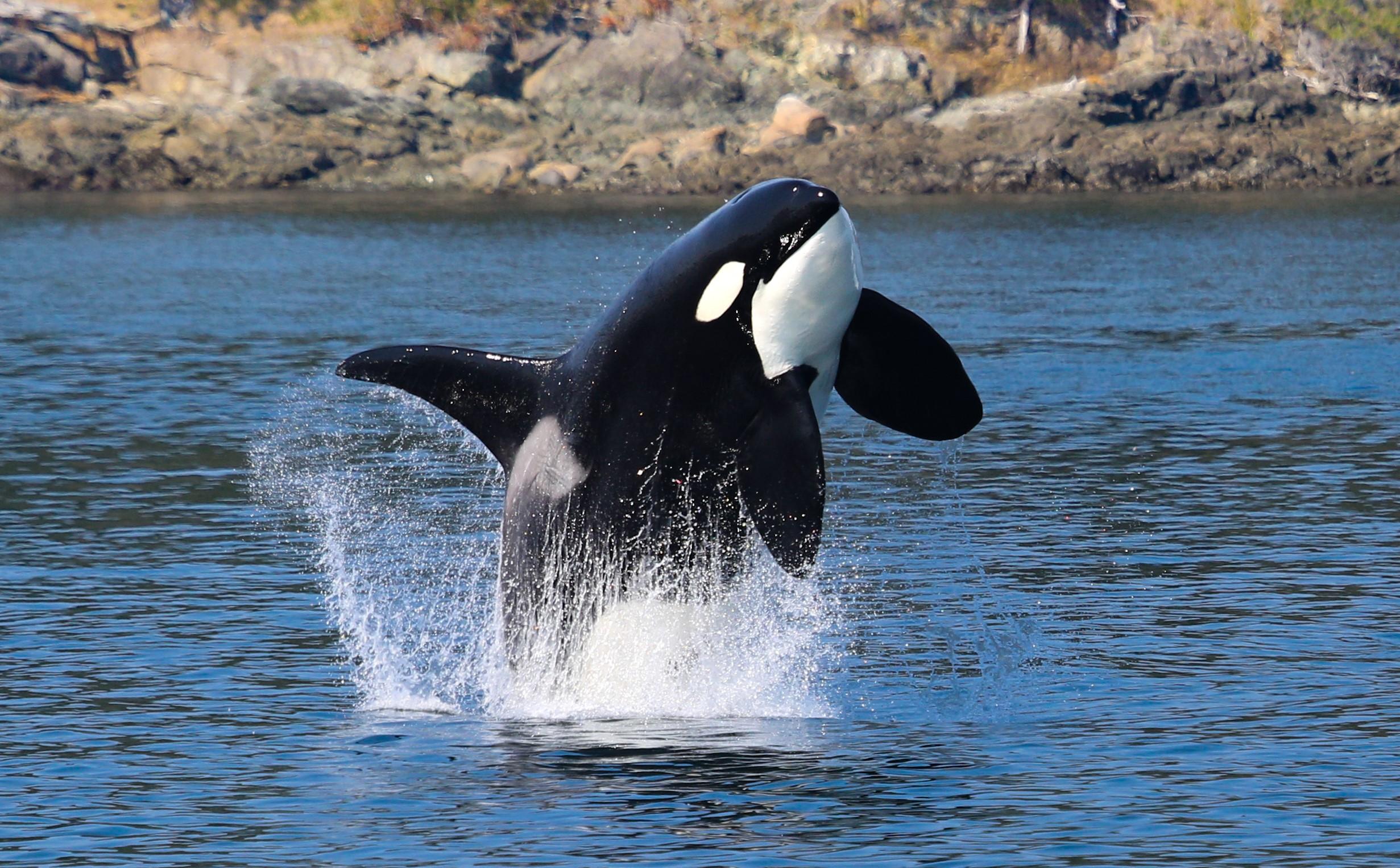
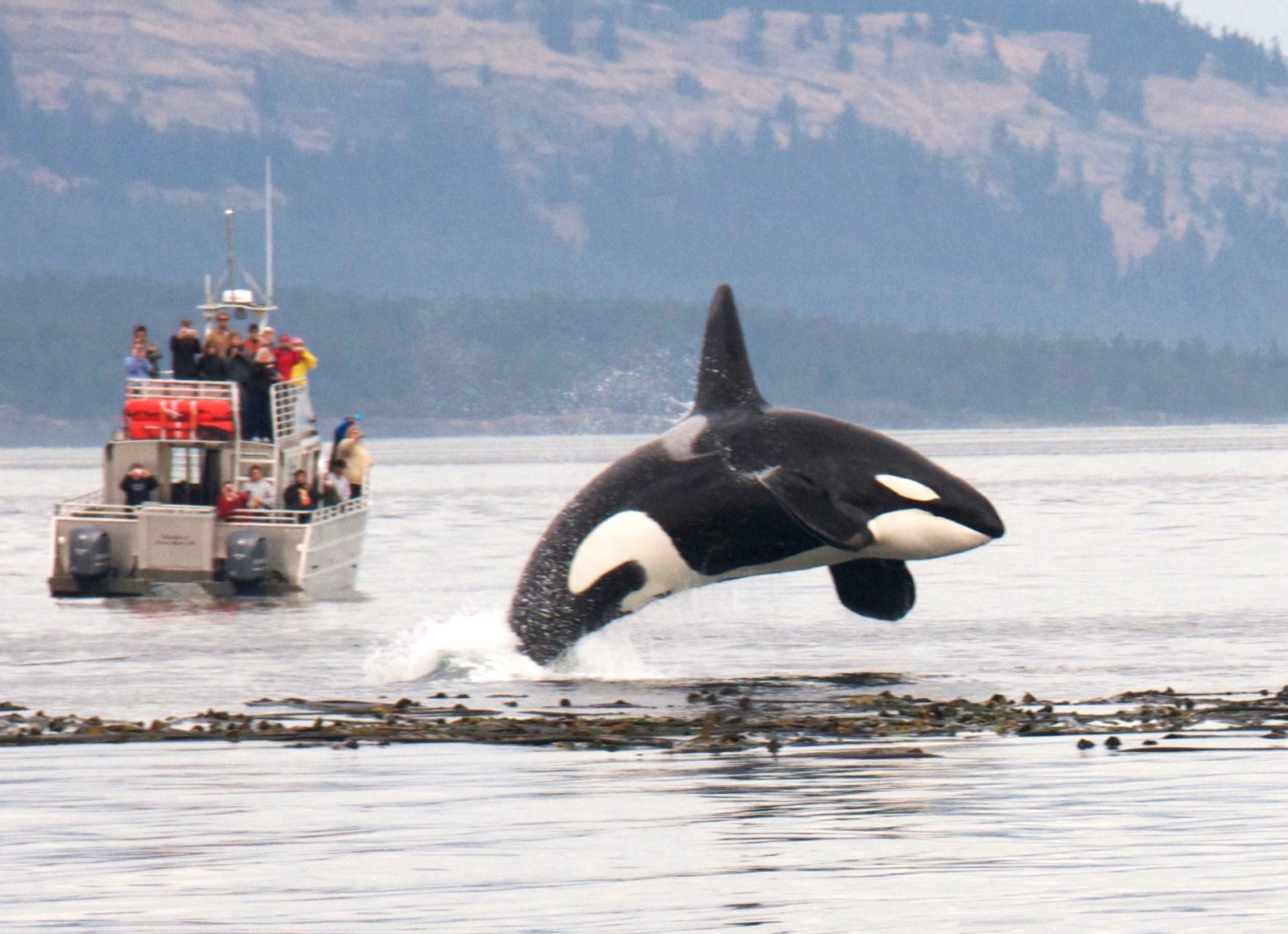
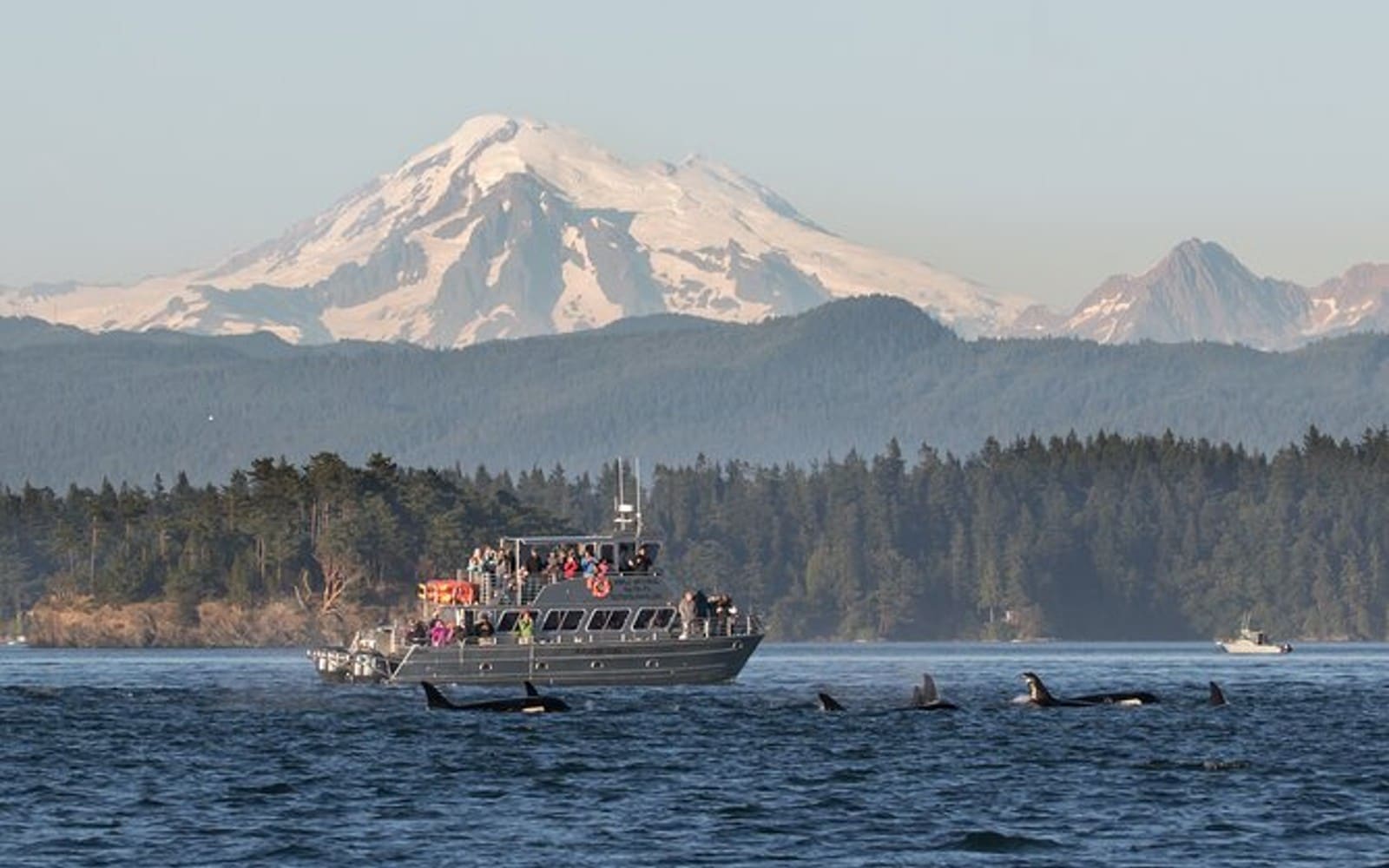
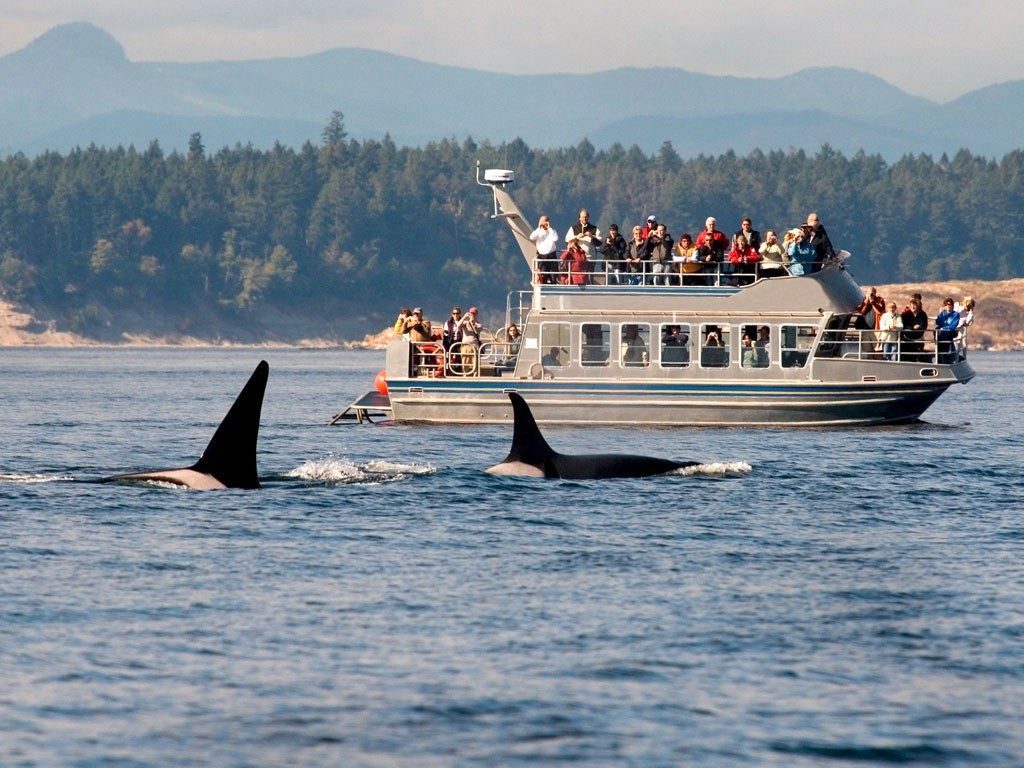
The boat clears the harbor breakwater and accelerates west through San Juan Channel, the Olympic Mountains rising in blue ridges across the strait. Twenty minutes out, the captain cuts the engines near Cattle Point, and you hear the first exhalation—a sharp blow that sends vapor six feet into the air as a bull orca surfaces thirty yards to starboard, his six-foot dorsal fin slicing the water in a slow arc. The hydrophone speaker crackles with rapid clicks, the echolocation pulses tightening as the pod closes on a salmon school, and you watch five more dorsals appear in formation, the matriarch leading her offspring in a coordinated dive that leaves only widening rings on the surface. The boat drifts for eleven minutes while the orcas hunt below, then the entire group breaches simultaneously, their black-and-white bodies clearing the water in unison before crashing back with concussive slaps that echo off the cliffs of Henry Island. You return to port at noon, the memory of those calls—the whistles and pulsed tones—still audible in your mind.
All the details about your upcoming adventure in one place
San Juan islands whale watching tours bring you into the feeding grounds of resident orca pods, humpback whales, and minke whales in the Salish Sea. Naturalist guides track marine mammals using hydrophones and collaborate with regional sighting networks to maximize encounters with Southern Resident killer whales and transient orcas. These san juan islands whale watching excursions also reveal harbor seals, Dall's porpoises, bald eagles, and seasonal migrations through protected waters surrounding the archipelago.
The waters surrounding San Juan Island host three resident orca pods—J, K, and L—comprising roughly ninety individuals that return to Haro Strait and the Salish Sea between May and October to hunt Chinook salmon along predictable migration corridors.
These southern resident killer whales, designated as endangered since 2005, represent one of the most studied marine mammal populations on Earth, their matrilineal social structures and vocal dialects documented across five decades of field research by the Center for Whale Research in Friday Harbor. The geographic funnel created by Vancouver Island to the west and the Olympic Peninsula to the south concentrates prey species in channels rarely deeper than two hundred meters, creating reliable sighting zones that commercial operators have mapped with hydroacoustic precision.
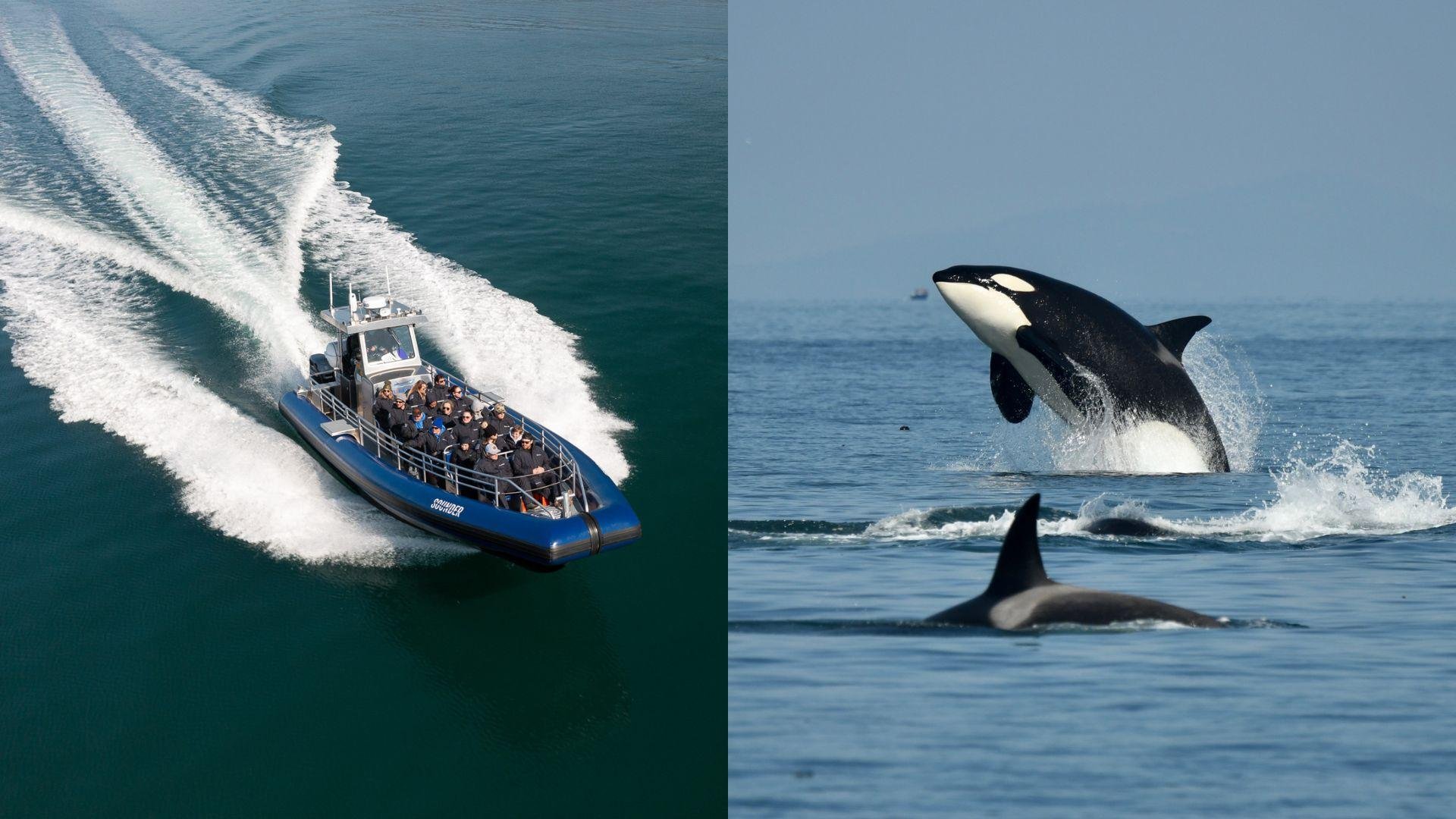
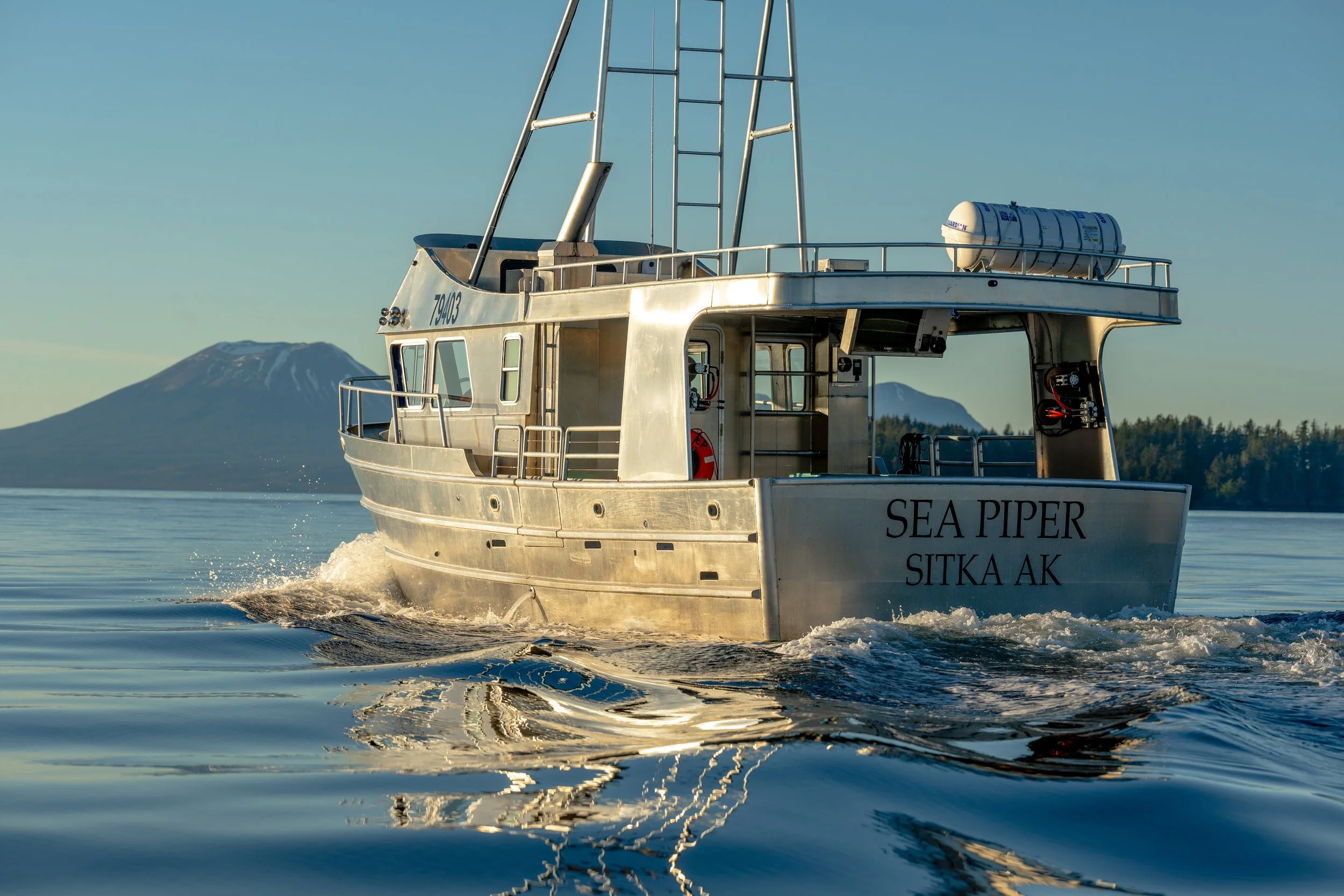
San Juan Islands whale watching tours operate from Friday Harbor's port district, where a fleet of rigid-hulled inflatables and cruiser-class vessels depart between eight in the morning and six in the evening during peak season. Naturalists aboard these craft carry hydrophones that broadcast the pods' echolocation clicks and social calls in real time, translating the whistles and pulsed tones that orcas use to coordinate salmon pursuit and maintain group cohesion across distances exceeding ten kilometers. The San Juan Islands whale watching season extends from April through October, with the best time for sightings concentrated in July and August when all three pods converge near Lime Kiln Point, a shore-based research station where scientists have cataloged individual dorsal fin saddle patches since 1976. Fall months bring transient Bigg's killer whales—marine-mammal hunters distinct from the fish-eating residents—along with gray whales completing their northbound migration and humpbacks that linger in the strait until November.
The archipelago's position at the confluence of the Strait of Juan de Fuca and the Strait of Georgia creates upwelling currents that support dense concentrations of Pacific herring, rockfish, and the Chinook runs upon which resident orcas depend, a trophic cascade visible from deck level as bait balls churn the surface and seabirds descend in feeding frenzies. Minke whales and Dall's porpoises patrol the same feeding grounds, their dorsal fins breaking the water in rapid succession during flood tides when current speeds exceed three knots. Commercial whale watching in the San Juans adhered to voluntary approach guidelines until 2011, when Washington State formalized a two-hundred-yard buffer and no-approach zones around resting pods, regulations enforced by the National Oceanic and Atmospheric Administration and monitored by shore-based observers stationed at key points along the west side of San Juan Island.

Hydrophones broadcast the pods' echolocation clicks in real time, translating whistles that coordinate salmon pursuit across ten-kilometer distances.
Dress in layers, as sea temperatures are significantly cooler than on land. Even on sunny days, wind chill during boat travel requires warm clothing and often wind-resistant outerwear.
Most operators allow small personal bags on board, but bulky luggage or oversized items should be stored at the tour operator's office prior to your san juan islands whale watching tour departure.
Photography is encouraged, but ensure your gear is protected from sea spray. Do not use drones, as they are prohibited near wildlife to comply with Be Whale Wise guidelines during san juan islands whale watching excursions.
These excursions are popular for families, with many operators providing educational commentary suitable for all ages. Younger children should be supervised at all times on deck during san juan islands whale watching tours.
While many boats are accessible, boarding processes can involve steep ramps or docks that fluctuate with the tide. Contact your chosen provider in advance to confirm if their specific vessel is appropriate for your mobility needs.
Outside food is generally allowed, but many boats offer light snacks and beverages for purchase. Check if your specific tour provider allows cooler boxes on board before you arrive for your san juan islands whale watching experience.
Opening hours
08:00–20:00 daily
Address
Friday Harbor, San Juan Island, WA, USA
Accessibility
Inquire with specific tour operators for vessel boarding assistance
Best arrival window
08:00–18:00
Storage
Many operators provide storage for strollers and luggage at their offices
Navigation
Most meeting points are within walking distance of the Friday Harbor ferry landing
Notice is required a minimum of 72 hours prior to the date of your scheduled san juan islands whale watching tour. If advance notice of cancellation has not been given within 72 hours and seats cannot be resold, operators reserve the right to charge the full amount of your fares.
Recommended time
3-5 hours
Most san juan islands whale watching excursions require between three and five hours on the water to reach prime marine mammal habitats. We recommend arriving at your designated Friday Harbor departure point well before your boat leaves to ensure a smooth check-in process. Booking san juan islands whale watching tours in advance allows you to secure preferred departure times, as vessels frequently operate near capacity during peak hours. By choosing mid-morning slots, you balance the necessity for optimal visibility with the ability to manage san juan islands whale watching tickets effectively.
Crowd levels through the day
Position yourself at the front of the vessel for unobstructed views of marine wildlife. This vantage point allows photographers to capture action shots as the boat cuts through the water, ideal for those seeking san juan islands whale watching tours images.
Standing along the railing provides stability for a telephoto lens when tracking a pod. Use the maritime horizon to frame the San Juan Islands as a backdrop for your san juan islands whale watching tour captures.
The wake created by the boat often attracts seabirds, offering a different perspective for wildlife photography. This area is less crowded, allowing more room to set up equipment after securing your san juan islands whale watching tickets.
The elevated position on the upper level offers a panoramic view of the Salish Sea. This space is superior for observing orca pods from a distance while keeping the vast landscape in your frame during a san juan islands whale watching excursion.
Planning a trip with children requires preparation to ensure everyone enjoys the san juan islands whale watching experience safely. While the open water environment offers a unique educational opportunity, careful coordination helps families make the most of their marine wildlife excursion.
Most san juan islands whale watching tours recommend children be at least five years old due to the length of time spent on the water. Check specific company policies regarding younger toddlers as some vessels have strict safety mandates for small passengers.;Motion Sickness
The area surrounding the Friday Harbor marina offers excellent dining choices for those planning a day of san juan islands whale watching. You will find a range of options, from casual waterfront eateries perfect for a quick bite before your san juan islands whale watching tours to refined establishments for a relaxing meal after your san juan islands whale watching tickets have been scanned.
Located right on the water, this spot offers Pacific Northwest cuisine with harbor views. It is a popular choice for lunch or dinner before or after your whale watching excursion.
A short walk from the marina, this pub serves reliable pub fare and local drinks. It is an ideal setting for a casual meal in the heart of Friday Harbor.
Located just blocks from the ferry landing, this venue features craft brews and hearty menu items like pizza and burgers. It offers a relaxed atmosphere that is great for groups.
Perched on a bluff overlooking the channel, this restaurant provides panoramic views and seasonal dishes. Reservations are highly recommended for those wanting a memorable post-tour meal.
Real experiences from real travelers
We spotted three different pods during our morning trip through Haro Strait. The naturalist provided detailed information about each whale's history and family group. Water conditions were calm enough to hear the orcas breathing when they surfaced nearby.
Our san juan islands whale watching tour departed from Friday Harbor at dawn and we found J-pod feeding near Cattle Point within an hour. The captain maintained proper distance while we watched them hunt salmon. Dress in layers even in summer.
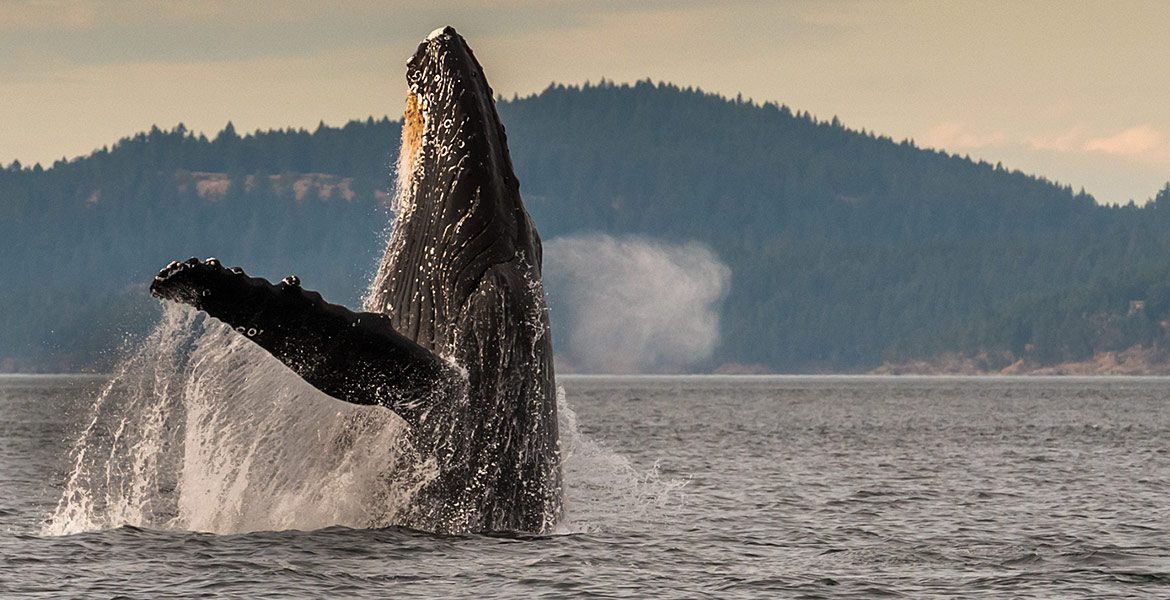
Though we hoped for orcas, seeing a humpback breach twice and a curious minke whale surface next to the boat made the four-hour trip worthwhile. The crew's knowledge of marine behavior was evident throughout.
We saw a transient orca pod hunting harbor seals near Stuart Island. The boat was crowded but everyone rotated viewing positions. Bring waterproof layers and seasickness medication if you're prone to motion sensitivity.
San Juan Islands whale watching exceeded expectations with sightings of orcas, gray whales, and Dall's porpoises. The hydrophone let us hear the resident pod's calls. Binoculars are provided but bring your own for extended viewing.
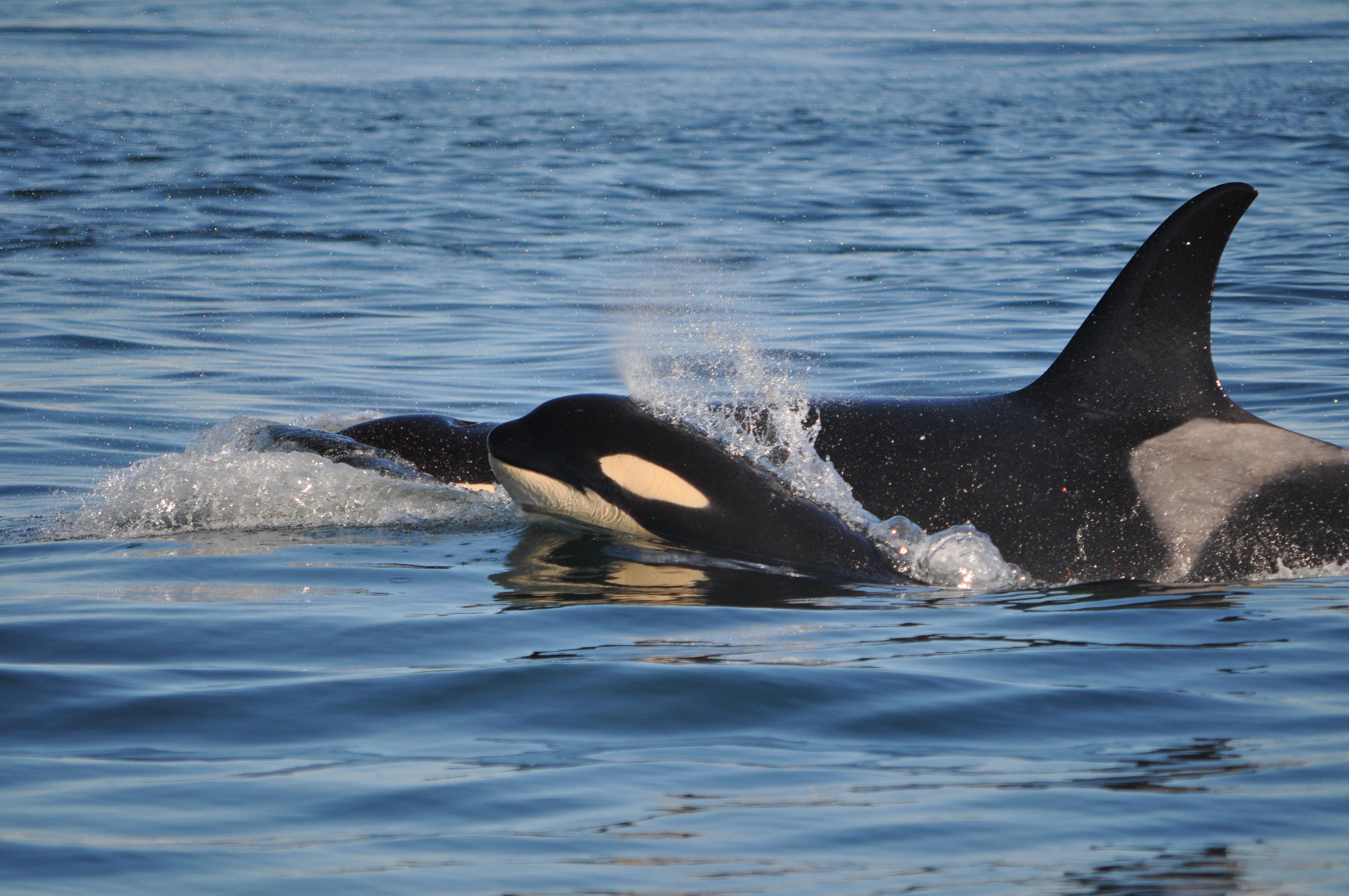
K-pod traveled past our vessel at less than 100 meters, including two calves. The naturalist identified individuals by saddle patch patterns. Seeing these whales in their natural habitat rather than captivity was deeply moving.
We joined a tour during spring migration and encountered four gray whales feeding in shallow kelp beds near San Juan Island's west side. The captain explained their 12,000-mile journey from Baja California. Pack snacks for the longer trip.
Despite cooler March weather, our san juan islands whale watching tickets proved worthwhile when we found transient orcas hunting near Spieden Island. Thermal layers and gloves are necessary for spring departures. The crew provided hot beverages throughout.
Strong afternoon winds created rough seas but we still observed L-pod traveling north through San Juan Channel. Some passengers struggled with the motion. Morning tours typically offer calmer conditions and better light for photography.
Beyond the orca sightings near Lime Kiln, we saw bald eagles, harbor seals, sea lions at Whale Rocks, and tufted puffins. The three-hour san juan islands whale watching tour covered significant territory across the archipelago's prime viewing areas.
Everything you need to know for your journey
Cancellations are typically refundable if made at least 72 hours in advance, subject to operator policies.
Most booking offices operate daily from 08:00–20:00 to assist with inquiries and departures.
Most tours depart from downtown Friday Harbor, with offices typically located near the marina or ferry landing.
Entry is 0 USD, though you must book a commercial tour to participate in san juan islands whale watching.
Peak season is April through October, with the best visibility occurring during the morning and afternoon hours.
Yes, families are welcome, but please confirm the minimum age requirements with your specific provider before purchasing san juan islands whale watching tickets.
Wear warm, layered clothing and a waterproof jacket to stay comfortable against the ocean breeze.
You can arrive via the Washington State Ferry from Anacortes, docking right in Friday Harbor within walking distance of tour providers.
The Whale Museum is a highly recommended landmark located in Friday Harbor to visit after your boat excursion.
Join thousands of happy travelers who have discovered this incredible experience
Book Your Experience Now