

Quick answer
The san juan islands whale watching season extends from April through October, with the highest probability of orca encounters occurring between May and September. Southern Resident orcas follow salmon migrations through the archipelago during summer months, while transient Bigg's orcas hunt year-round. Humpback whales pass through during spring and fall migration windows, with peak sightings in May and September as they travel between Alaska feeding grounds and breeding areas farther south.
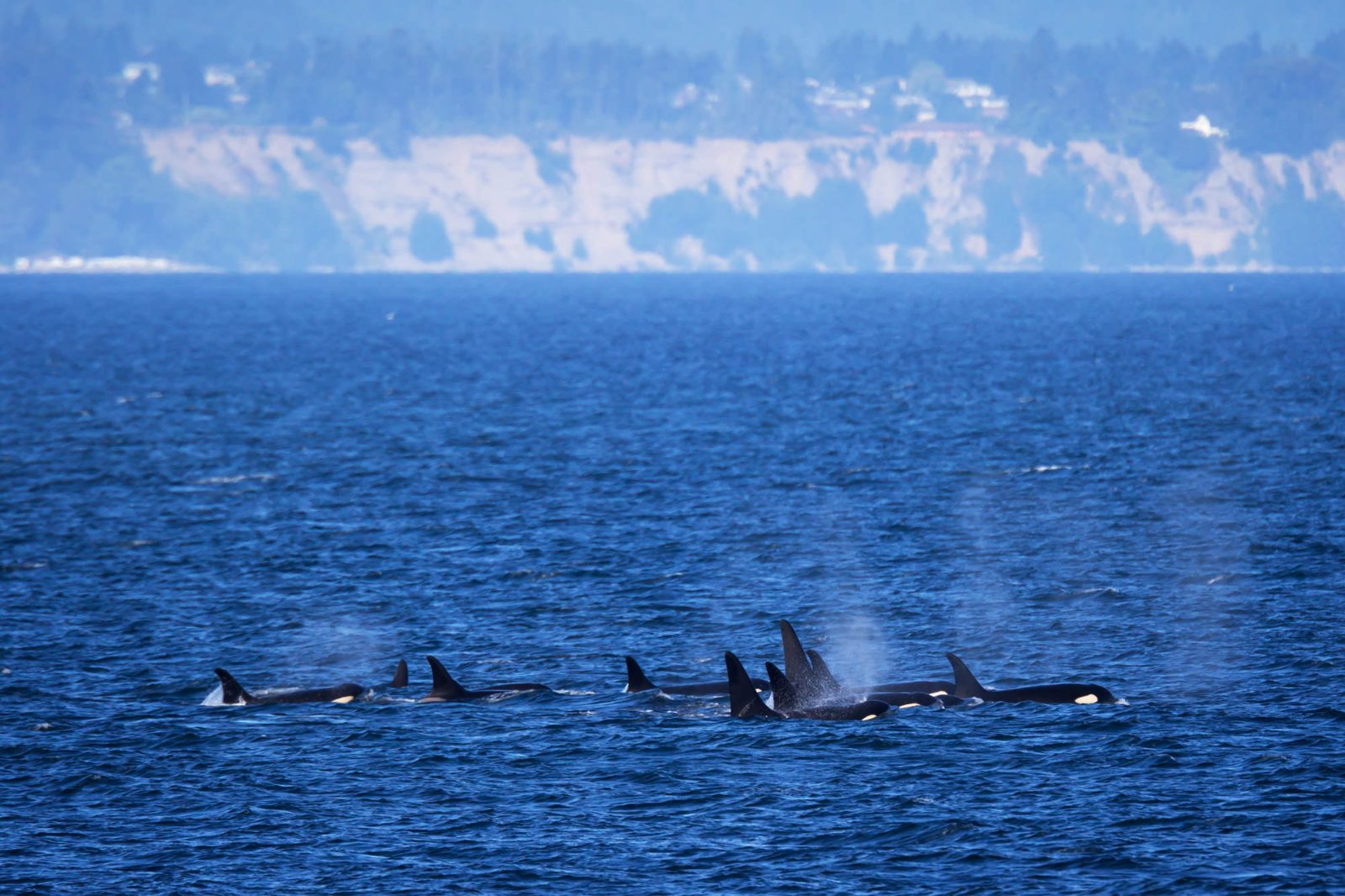
Three distinct orca ecotypes navigate the Salish Sea, but only the Southern Residents and Bigg's transients predictably converge near the San Juan Islands during warmer months. The Southern Residents—three pods designated J, K, and L—time their arrival to coincide with Chinook salmon runs that peak between late spring and early autumn. These fish-eating whales depend entirely on salmon, making their presence directly correlated with prey abundance in the channels between Lopez, San Juan, and Orcas islands. Bigg's orcas, formerly called transients, operate on a different calendar. They hunt marine mammals—harbor seals, porpoises, sea lions—whose populations remain stable year-round in these waters. Sightings of Bigg's pods occur in every month, though encounters increase during summer when boat traffic and observation hours expand. Unlike the fish-eating Southern Residents, Bigg's orcas travel unpredictably, following prey rather than fixed routes. Humpback whales represent the archipelago's seasonal migrants. These baleen whales filter-feed on krill and small fish during northbound journeys to Alaska in spring and southbound returns in autumn. May and September frame the two migration pulses, with individual animals occasionally lingering in productive feeding zones near Cattle Point or the west side of San Juan Island. Gray whales pass through in smaller numbers during their coastal migration, typically hugging shorelines rather than crossing open channels. Water temperature, daylight hours, and salmon availability govern the san juan islands whale watching season more than arbitrary calendar dates. April marks the transition when resident orcas begin reliably appearing after winter dispersal. June through August deliver the highest encounter rates—resident pods spend extended periods in the area, and transient sightings overlap. By October, Southern Residents have largely followed salmon toward the Fraser River or dispersed to winter ranges, though transient activity continues. Public shorelines remain accessible year-round at no cost, but vessel departures concentrate between morning and late afternoon when light conditions favor wildlife spotting and tidal exchanges create favorable feeding conditions.
“Southern Resident orcas time their arrival to coincide with Chinook salmon runs that peak between late spring and early autumn.”
Understanding the San Juan Islands Whale Watching Season
The primary whale watching season in the San Juan Islands spans from late spring through early autumn, offering the highest probability of sightings. Visitors should plan for the optimal arrival window of 07:00–18:00 to align with typical vessel departure times and favorable lighting conditions.
Late Spring to Early Autumn
Moderate to highMild temperatures, 55°F to 75°F
This period offers peak activity for Orca, Minke, and Humpback whales. Tours operate frequently to meet seasonal wildlife migration patterns.
Early Morning (07:00–10:00)
Low—
Departing early maximizes wildlife spotting opportunities while waters are typically at their calmest. This window avoids the peak mid-day crowds.
Mid-Day to Late Afternoon
High—
This timeframe features consistent vessel traffic and steady sightings as tours return to port. Expect busier docks and popular public viewing areas.
Verdict: For the best experience, plan your visit between May and September, aiming for arrival within the 07:00–18:00 window to ensure alignment with whale activity and vessel schedules.
Costs for San Juan Islands Whale Watching Season Excursions
Costs for whale watching in the San Juan Islands depend on your choice between shore-based observation and commercial vessel excursions. Shoreline viewing is available at no cost, whereas guided boat tours maintain their own independent pricing structures.
While shoreline viewing is free, most visitors pay for professional boat tours, with final costs varying based on the specific tour operator and vessel selected.
Planning Travel for the San Juan Islands Whale Watching Season
The San Juan Islands are accessible primarily by water, situated in the northwest corner of Washington state. Visitors typically reach the islands via ferry or private vessel from the mainland.
Washington State Ferries from Anacortes to Friday Harbor
I-5 North to Highway 20 West, then Anacortes Ferry Terminal
Airporter Shuttle to Anacortes Ferry Terminal
Preparation Checklist for San Juan Islands Whale Watching Season
Preparation for whale watching in the San Juan Islands centers on layered clothing, sun protection, and advance tour reservations during peak season.
-
Book your tour in advance
-
Peak season (May–September) fills quickly, especially for morning departures.
-
Dress in layers with waterproof outer shell
-
Marine wind and spray create rapid temperature shifts even on sunny days.
-
Pack binoculars and a camera with zoom
-
Whales surface unpredictably at distances requiring magnification for clear viewing.
-
Bring sunscreen, sunglasses, and a hat
-
Reflection off water intensifies UV exposure throughout multi-hour excursions.
-
Confirm departure location and arrival time
-
Operators depart from different harbors; arriving 30 minutes early allows check-in and boarding.
-
Take motion sickness medication if prone
-
Open-water swells affect smaller vessels; medication works best when taken before departure.
Check availability
Frequently asked questions about san juan islands whale watching season
Everything you need to know about san juan islands whale watching season