

Quick answer
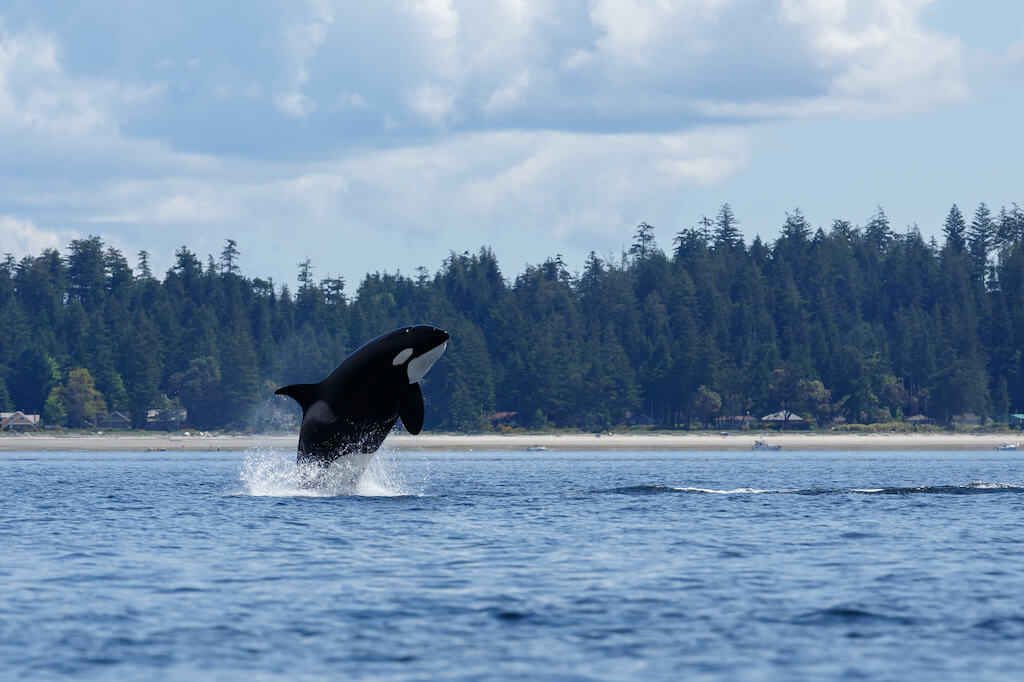
The san juan islands whale watching best time spans May through September, when Southern Resident orcas follow salmon runs through Haro Strait and the San Juan Channel. Morning departures between 08:00 and midday, plus afternoon slots from 14:00 to 18:00, align with peak pod activity and favorable lighting. July and August deliver the highest encounter frequency, though late spring and early autumn offer calmer seas and fewer vessels.
Three distinct orca pods—J, K, and L—return to the San Juan archipelago each spring, their arrival tied not to fixed dates but to the upstream movement of Chinook salmon through the Strait of Juan de Fuca. Peak season runs May through September, with July and August concentrating the highest number of resident orca days within a 20-mile radius of Friday Harbor. Humpback whales, once absent from these waters for decades, now appear reliably from April through October, their bubble-net feeding visible from shore on calm mornings. Daily surface behavior follows tidal cycles and prey distribution. Orcas hunt most actively during ebb tides when salmon funnel through narrow channels, typically morning and late afternoon windows. Flat water at dawn improves spout visibility at distance, while afternoon light angles reduce glare off the Salish Sea's surface. Tour operators schedule departures to match these biological rhythms, with morning slots departing Friday Harbor between 08:00 and 10:00 and afternoon runs launching after 14:00. The San Juan Islands whale watching best time guide prioritizes these brackets because mammal behavior, not human convenience, dictates encounter probability. Weather patterns shift encounter quality as much as calendar date. May and June bring longer daylight but variable cloud cover and occasional squalls rolling off Vancouver Island. July and August offer stable high-pressure systems, though increased vessel traffic from both commercial and private craft can disperse pods. September through early October marks the shoulder season: calmer seas as storm systems delay, fewer boats on the water, and orcas still transiting southward before their winter dispersal into the outer coast. Minke whales and Dall's porpoises remain year-round, offering sightings even outside the orca corridor months. Sighting probability also bends around moon phase and salmon availability. New moon periods in July correlate with concentrated Chinook presence near Lime Kiln Point and the west side of San Juan Island, drawing resident pods into predictable hunting zones. When Fraser River salmon runs underperform, orcas range farther offshore or skip the islands entirely, a pattern observed in drought years when spawning numbers drop. Experienced captains monitor hydrophone networks and radio chatter to position vessels along likely intercept routes, turning biological forecasting into the operational backbone of the industry.
“Orcas hunt most actively during ebb tides when salmon funnel through narrow channels, typically morning and late afternoon windows.”
San Juan Islands Whale Watching Best Time: Seasonal and Daily Windows
The peak season for whale watching in the San Juan Islands spans from late spring through early autumn, providing the highest probability of sightings. Planning your tour during this window maximizes the likelihood of encountering both transient and resident orcas, as well as humpback and minke whales.
Late Spring (May-June)
Moderate crowds50°F to 65°F; pleasant conditions.
Whale activity increases as migratory patterns stabilize. Operators begin full schedules during this period.
Summer (July-September)
High traffic60°F to 75°F; clear and dry.
This is the primary season for sightings. Warm weather makes for comfortable time on the water.
Early Autumn (October)
Lower visitor numbers45°F to 60°F; cooler temperatures.
Whale sightings remain frequent. Reduced crowds offer a quieter experience on tours.
Daily Windows
——
Morning and afternoon tours are recommended as they offer optimal lighting and higher whale sighting probability.
Verdict: The best time for whale watching is from July through September, ideally during the weekday morning or afternoon windows for the best lighting and sighting conditions.
Planning Your San Juan Islands Whale Watching Best Time Itinerary
This itinerary suits visitors staying on San Juan Island who want to combine a whale watching tour with island exploration. Plan for a full day from morning through early evening.
Arrive in Friday Harbor
Ferry from Anacortes arrives at Friday Harbor marina. Grab breakfast at a waterfront café and explore the small downtown area before your tour.
Morning Whale Watching Tour
Board a three-to-four-hour tour departing from Friday Harbor. Morning light provides excellent photography conditions and whales are often active feeding.
Lunch and Town Exploration
Return to Friday Harbor for lunch. Visit the Whale Museum on First Street to learn about orca pods and marine ecology—adds context to what you observed.
Lime Kiln Point State Park
Drive or bike to the west side of the island. This shore-based whale watching site offers a chance to spot passing pods from land during afternoon transit times.
Dinner and Departure Planning
Return to Friday Harbor for dinner. Check ferry schedules if departing same day, or settle into your lodging if staying overnight.
Reaching Friday Harbor for Your San Juan Islands Whale Watching Best Time Visit
Friday Harbor serves as the primary hub for whale watching tours in the San Juan Islands. Most visitors reach the island via the Washington State Ferries system departing from Anacortes.
Washington State Ferries from Anacortes to Friday Harbor
I-5 to WA-20 W toward Anacortes
Walk-on ferry passenger via Anacortes Terminal
Understanding Costs and Fees for San Juan Islands Whale Watching Best Time Excursions
There is no public entrance fee for visiting the San Juan Islands. Whale watching excursions are provided by private operators and require separate bookings.
While island entry is 0 USD, travelers pay varying rates for whale watching tours based on the specific private operator and excursion type selected.
Operating Hours for Planning Your San Juan Islands Whale Watching Best Time Visit
The San Juan Islands visitor resources operate daily to assist with your travel planning. These hours reflect general access to regional information services.
| Monday | 00:00–23:59 | |
|---|---|---|
| Tuesday | 00:00–23:59 | |
| Wednesday | 00:00–23:59 | |
| Thursday | 00:00–23:59 | |
| Friday | 00:00–23:59 | |
| Saturday | 00:00–23:59 | |
| Sunday | 00:00–23:59 |
Pre-Visit Checklist: Preparing for Your San Juan Islands Whale Watching Best Time Experience
Prepare these essentials before your whale watching departure to maximize comfort and sighting opportunities.
-
Book your tour operator in advance — Summer peak season (May–September) fills quickly, especially morning departures.
-
Bring layered waterproof clothing — Marine conditions are unpredictable; temperatures drop significantly on the water even in summer.
-
Pack binoculars and a camera — Whales surface at varying distances; optical zoom captures details naked eyes miss.
-
Carry motion sickness medication if prone — Open-water swells affect sensitive passengers regardless of boat size.
-
Wear non-slip, closed-toe shoes — Wet decks become hazardous; sandals and heels are unsafe on moving vessels.
-
Confirm departure location and time — Operators launch from different harbors; late arrivals forfeit non-refundable bookings.
Check availability
Frequently asked questions about whale watching in the San Juan Islands
Everything you need to know about san juan islands whale watching best time