

Quick answer
You can see orcas in San Juan Islands year-round, but your best odds fall between May and September when resident Southern Resident pods follow Chinook salmon runs through the archipelago. July and August deliver the highest success rates, with sightings reported on 80-90% of tour departures. Winter months see fewer resident pods but increased transient orca activity as they hunt harbor seals along rocky shorelines.
Three distinct orca populations move through the San Juan Islands, each following different schedules and hunting strategies. The Southern Resident pods — J, K, and L — spend their summers tracking Chinook salmon through Haro Strait and the western passages. These fish-eating orcas arrive as early as late April when Fraser River Chinook begin their migration, and some family groups remain into October. Bigg's killer whales, the mammal-hunting transients, patrol year-round but become more visible in winter when resident pods disperse and tour traffic drops. When can you see orcas in San Juan Islands depends partly on what you consider a sighting. Resident pods travel in tight family groups, breaching and spyhopping as they coordinate salmon hunts — behaviors that make them easier to spot from shore or boat. Transient orcas move in smaller, stealthier units of two to six individuals, often hugging coastlines as they ambush seals. Both ecotypes use the same waters but rarely interact. Lime Kiln Point State Park on San Juan Island's west side records the most consistent land-based sightings, particularly during the afternoon flood tide when salmon concentrate in the kelp beds offshore. Morning departures between seven and noon align with orca feeding patterns and calmer sea conditions. Resident pods often hunt actively in early morning before dispersing mid-afternoon, while transients strike at dawn when seals haul out on exposed rocks. Weather shapes success rates as much as season — flat water and clear skies allow captains to spot blows from miles away, while wind chop and fog cut visibility to hundreds of yards. Late summer combines peak orca presence with the Salish Sea's most stable weather, creating the narrow window when casual visitors and dedicated whale watchers converge. No permits or reservations control access to public viewing areas, though shoreline spots fill quickly on weekends. Tour operators run daily trips regardless of conditions, but guarantees remain impossible — these are wild animals moving through 170 square miles of open water. The orcas' arrival depends on prey, not calendars, and some years see pods delay their return or shift hunting grounds entirely when salmon runs fail.
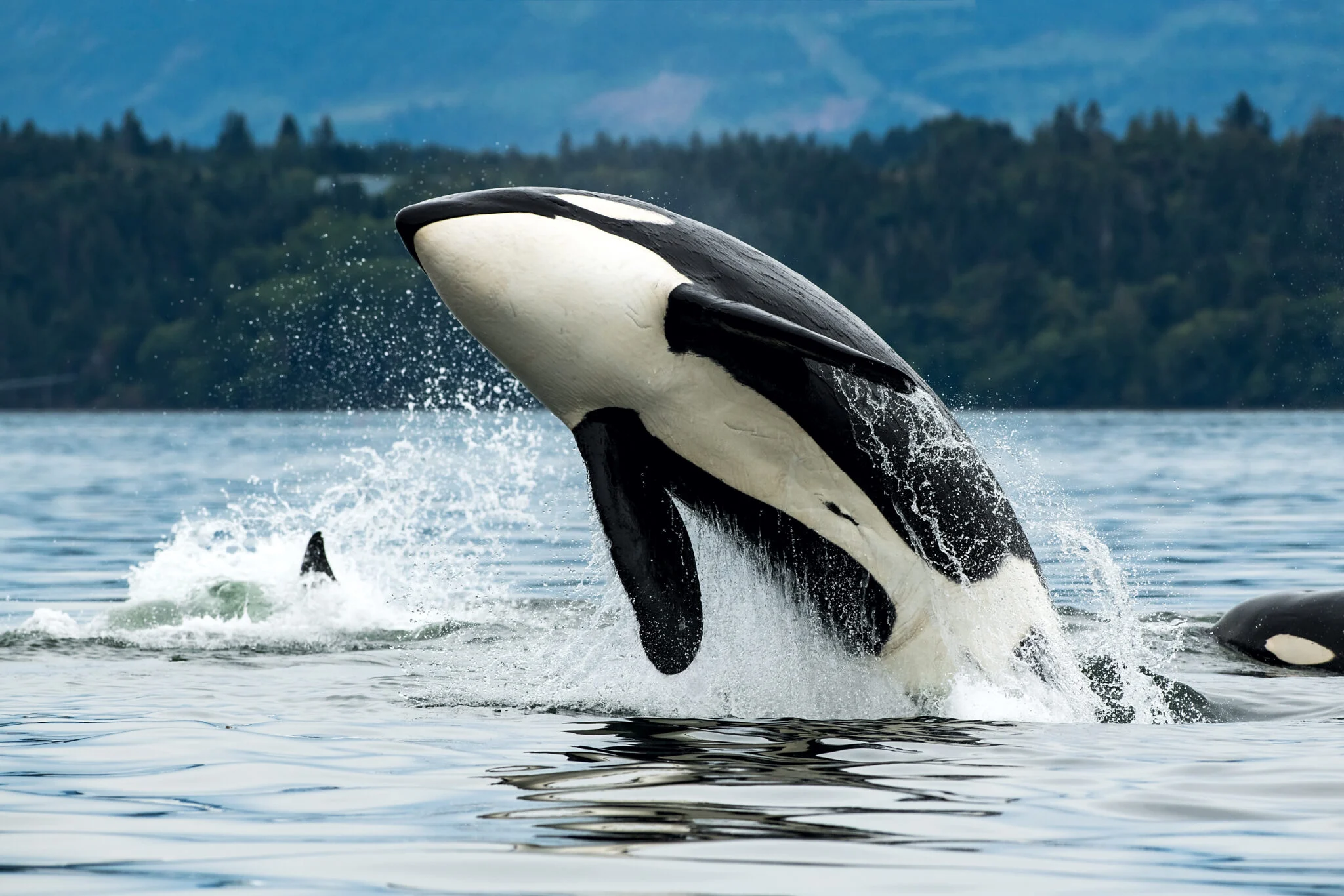
“Resident pods travel in tight family groups, breaching and spyhopping as they coordinate salmon hunts — behaviors that make them easier to spot from shore or boat.”
Operating Hours for When You Can See Orcas in San Juan Islands
The San Juan Islands are accessible for whale watching research and general observation around the clock. Please note that specific tour departure times are determined by individual operators.
| Monday | 00:00–23:59 | |
|---|---|---|
| Tuesday | 00:00–23:59 | |
| Wednesday | 00:00–23:59 | |
| Thursday | 00:00–23:59 | |
| Friday | 00:00–23:59 | |
| Saturday | 00:00–23:59 | |
| Sunday | 00:00–23:59 |
Costs Associated With When You Can See Orcas in San Juan Islands
Costs for viewing orcas in the San Juan Islands depend on whether you choose to observe from the shore or book a professional whale watching excursion. While viewing from public areas is free, boat tours are operated by independent companies that set their own rates.
Public viewing incurs no cost, while professional tours vary in price based on the specific operator and vessel type.
How to Get There When You Can See Orcas in San Juan Islands
The San Juan Islands are located in the northwestern corner of Washington State, accessible primarily by ferry or regional flight. Visitors typically arrive via the Washington State Ferries system or by flying into Friday Harbor on San Juan Island.
Washington State Ferries from Anacortes
I-5 North to Anacortes Ferry Terminal
Scheduled air service from Seattle/Boeing Field
Preparation Checklist for When You Can See Orcas in San Juan Islands
Prepare these essentials to make the most of your orca viewing experience in the San Juan Islands.
-
Book your whale watching tour in advance — Peak season tours fill quickly, especially May through September.
-
Bring layered waterproof clothing — Sea temperatures remain cool year-round and wind chill increases on the water.
-
Pack binoculars and a camera with zoom lens — Orcas surface at varying distances and closer views require magnification.
-
Carry motion sickness medication if prone to seasickness — Smaller vessels and choppy conditions can affect sensitive passengers.
-
Download your booking confirmation to your phone — Operators require proof of reservation and some depart from multiple harbors.
-
Wear non-slip shoes with closed toes — Boat decks become slippery from spray and safety regulations may require secure footwear.
-
Charge your devices fully before departure — Limited or no charging access on most tour boats.
Check availability
Frequently asked questions about when can you see orcas in san juan islands
Everything you need to know about when can you see orcas in san juan islands