5 hr
Salish Sea Whale Watching Adventure
- Entry ticket
- Mobile voucher
- Valid same day
- Free cancellation
San Juan Islands Whale Watching from Seattle — Orca Expeditions
Resident orca pods and humpback migrations, guided by marine naturalists
Compare fares, pick the fit — all bookings are mobile-voucher and eligible for free cancellation where shown.
5 hr
3 hr 30 min
1 hr
Selecting the right san juan islands whale watching from seattle requires choosing between direct coastal departures or comprehensive packages that include transport. These san juan islands whale watching from seattle tours provide varying levels of access to the Salish Sea, ranging from standard observation cruises to immersive full-day itineraries.
| Standard Cruise Full-Day Adventure | recommended(true) | recommended(false) | |
|---|---|---|---|
| Vessel Type | Large Catamaran | Jet-Powered Express | Flight + Boat |
| Viewing Experience | Tiered Outdoor Decks | Wraparound Outdoor Decks | Panoramic Aerial Views |
| Duration | 4–5 Hours | 6–7 Hours | Full Day Experience |
| Lunch Included | Optional Add-on | 2-Hour Friday Harbor Stop | Included on Island |
| Best for | First-time visitors | Wildlife enthusiasts | Time-sensitive travelers |
Verdict: For the best balance of travel time and wildlife exposure, we recommend the Full-Day Adventure for your san juan islands whale watching from seattle tickets.
Worth it for wildlife enthusiasts and nature lovers
San juan islands whale watching from seattle delivers real value through expert-guided expeditions into prime orca habitat, though the investment reflects both the travel distance and specialized naturalist crews aboard. Tours departing from Anacortes and the Salish Sea region position you in waters where resident orca pods feed during peak season, with marine biologists narrating behavior patterns and identifying individual whales by dorsal fin markings. The catch: wildlife sightings are never guaranteed, and you're paying for the attempt, not the outcome. Speedboat adventures and zodiac options offer closer water-level encounters, while larger vessels provide stability for families. The real cost comes from committing a full day—transport to departure points, three to four hours on the water, and return travel. For visitors prioritizing marine wildlife over urban sightseeing, san juan islands whale watching from seattle tours justify the expense through access to one of North America's most reliable orca viewing zones and the expertise of crews who track pod movements daily.
Bottom line: The investment pays off when you value expert guidance through active orca habitat over guaranteed sightings, but san juan islands whale watching from seattle tickets demand realistic expectations about wildlife unpredictability.
Seattle departures provide superior urban convenience, whereas Anacortes-based excursions prioritize maximized time in the prime feeding grounds of the Salish Sea.
|
Top pick Seattle/Edmonds Departure |
Anacortes Departure | |
|---|---|---|
| Total transit time | 4–5 hours round trip | 1–2 hours round trip |
| Time on water | 8–10 hours total | 4–6 hours total |
| Proximity to whale grounds | Greater distance from pods | Direct access to habitat |
| Logistical complexity | High (commute required) | Low (centralized meeting point) |
| Departure frequency | Limited daily schedule | High volume throughout day |
| See tickets & prices |
Verdict: Choose san juan islands whale watching from seattle if you prefer an all-inclusive transport experience, or select Anacortes for faster access to the marine wildlife corridors. Many travelers seeking san juan islands whale watching from seattle tours appreciate the ease of leaving from the city, yet those prioritizing vessel time often find san juan islands whale watching from seattle tickets serve as a gateway to the region's diverse orca and porpoise populations. Securing your san juan islands whale watching from seattle tour requires balancing your transit budget against the desire to reach the Pacific Northwest's premier ocean viewing locations with minimal delay.
Hand-picked experiences loved by thousands of travelers
3.5 hours
Free Cancellation
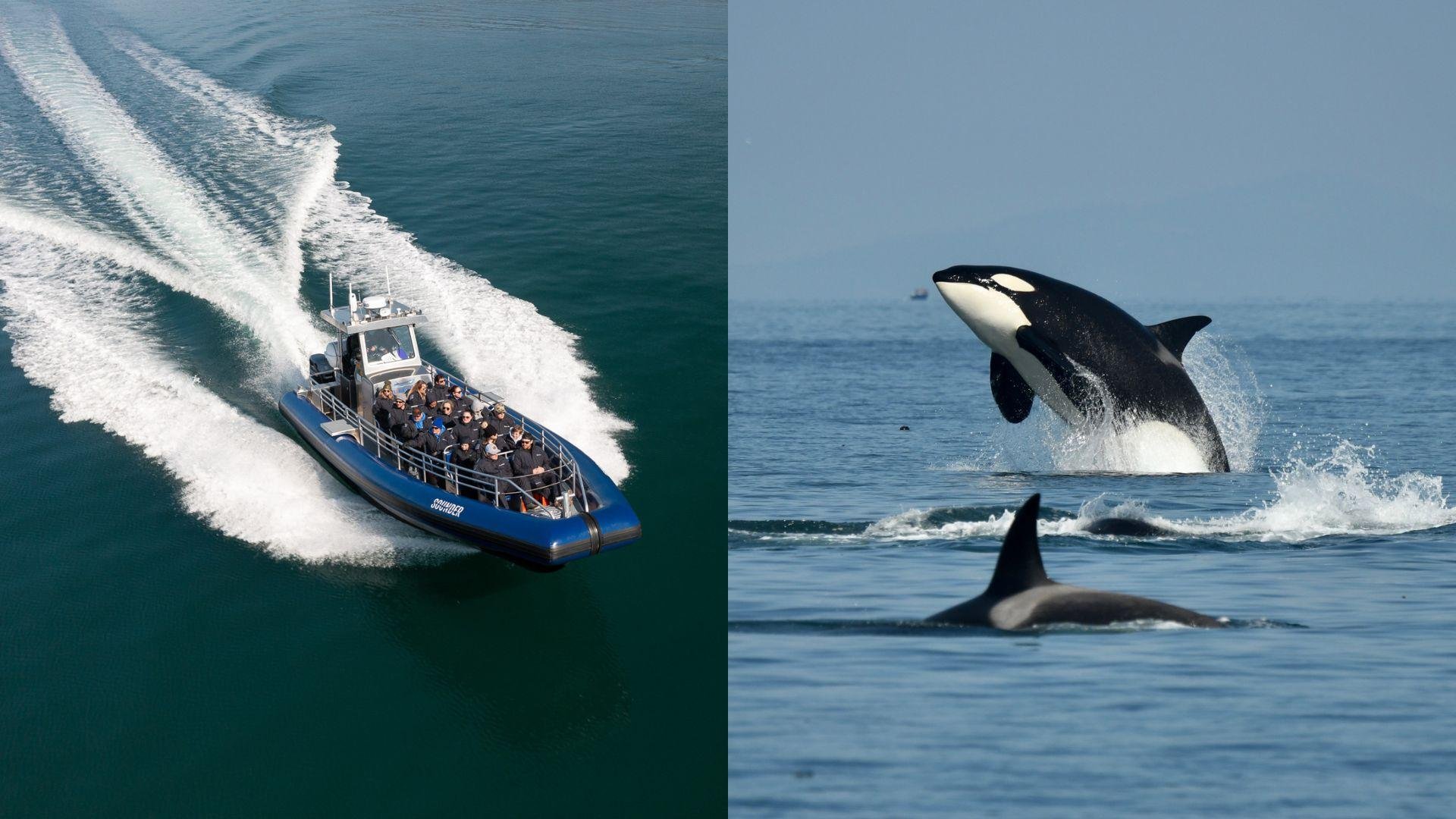
High-speed marine safari seeking orcas, humpbacks, and wildlife across the San Juan archipelago
3.5 hours
Free Cancellation
Thrilling 3.5-hour wildlife expedition on a small zodiac boat through the San Juan Islands waters
1.5 hours
Free Cancellation
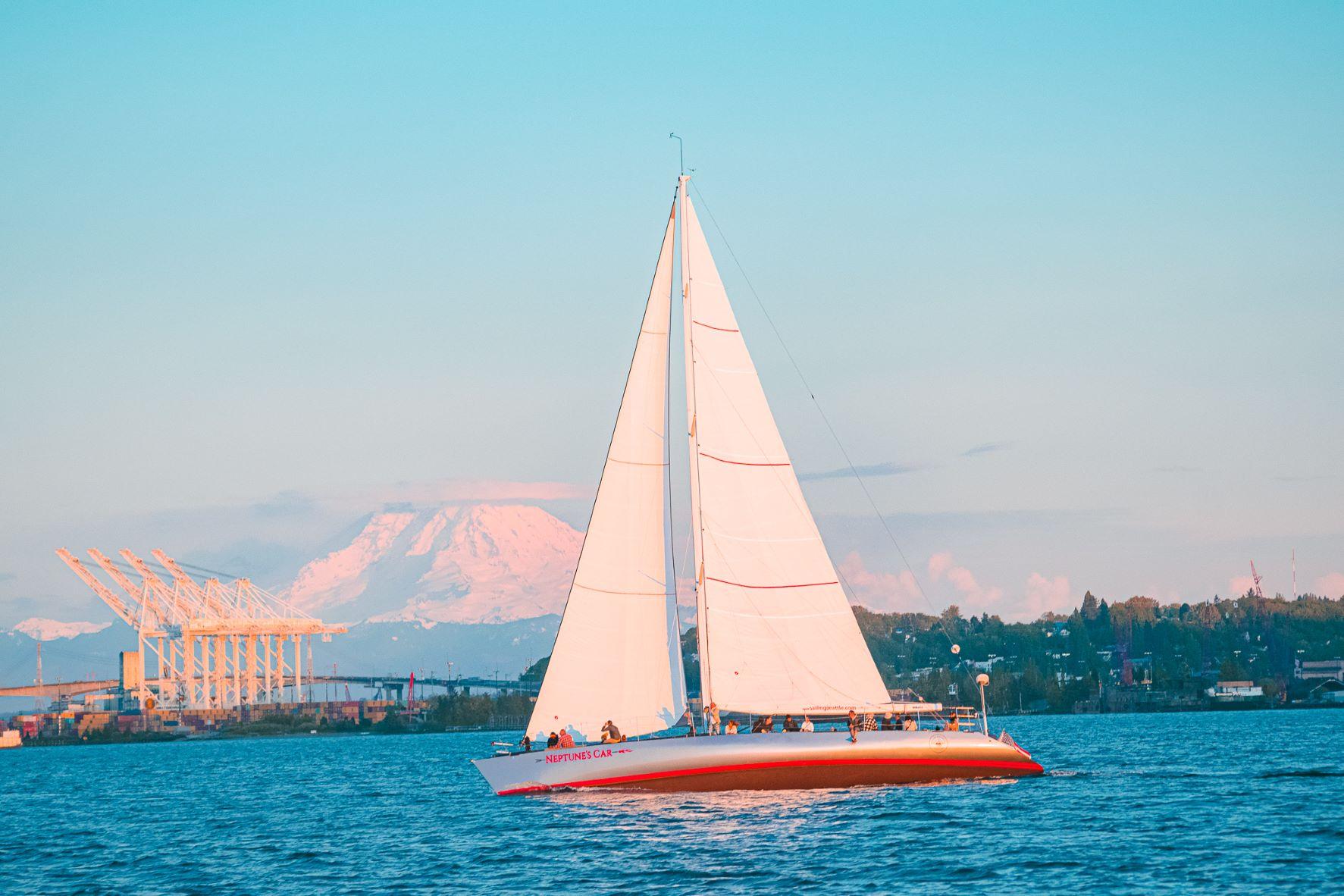
Glide across Elliott Bay on a classic racing yacht with stunning city and mountain views
4 hours
Free Cancellation
Embark on a thrilling marine expedition to witness killer whales in the Salish Sea's pristine waters
2 hours
Free Cancellation
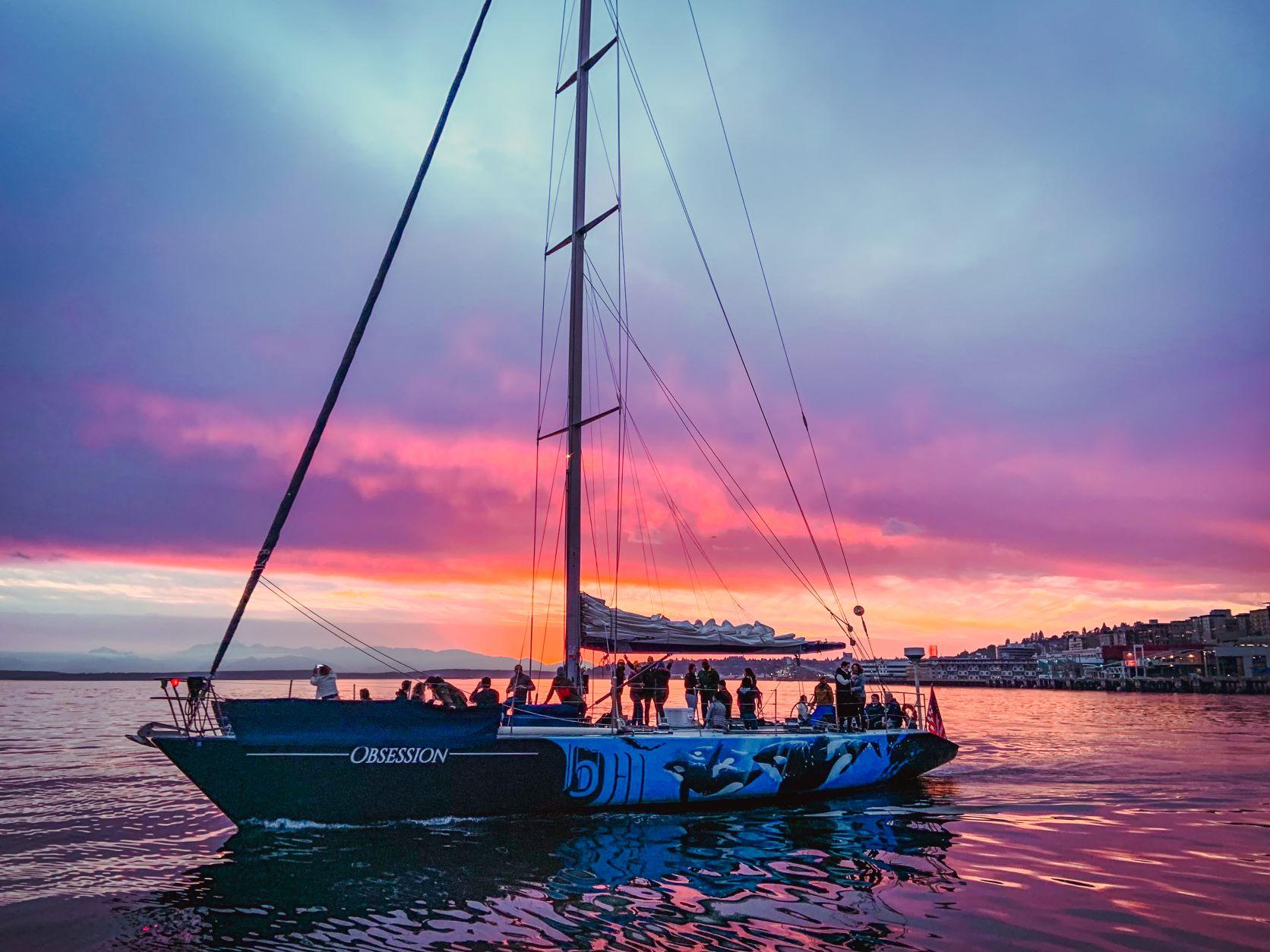
Glide across Elliott Bay on a racing yacht as the sun dips behind the Olympic Mountains
4 hours
Free Cancellation
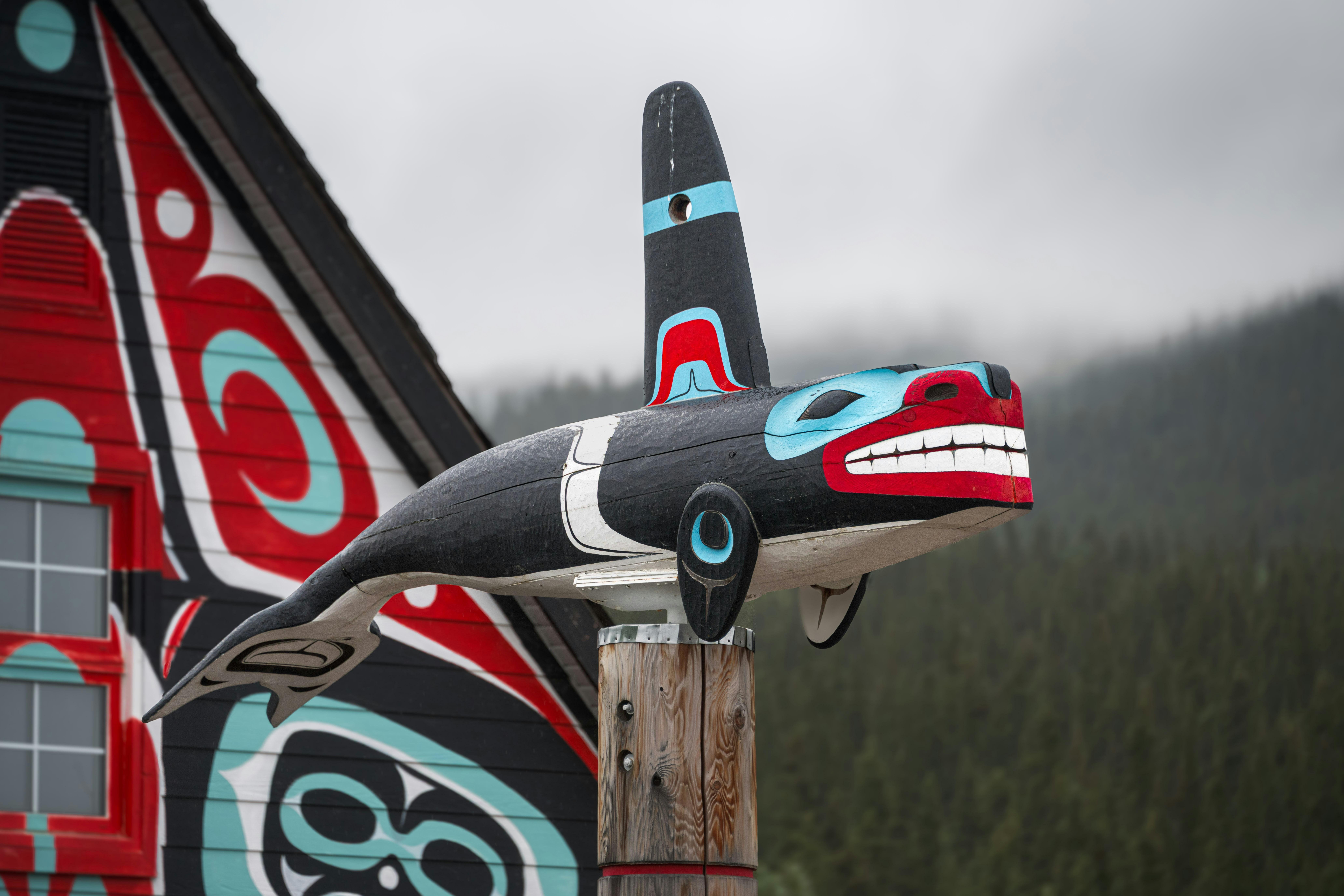
Explore the Salish Sea with Native guides sharing ancestral stories, wildlife, and traditional tea
2 hours
Free Cancellation
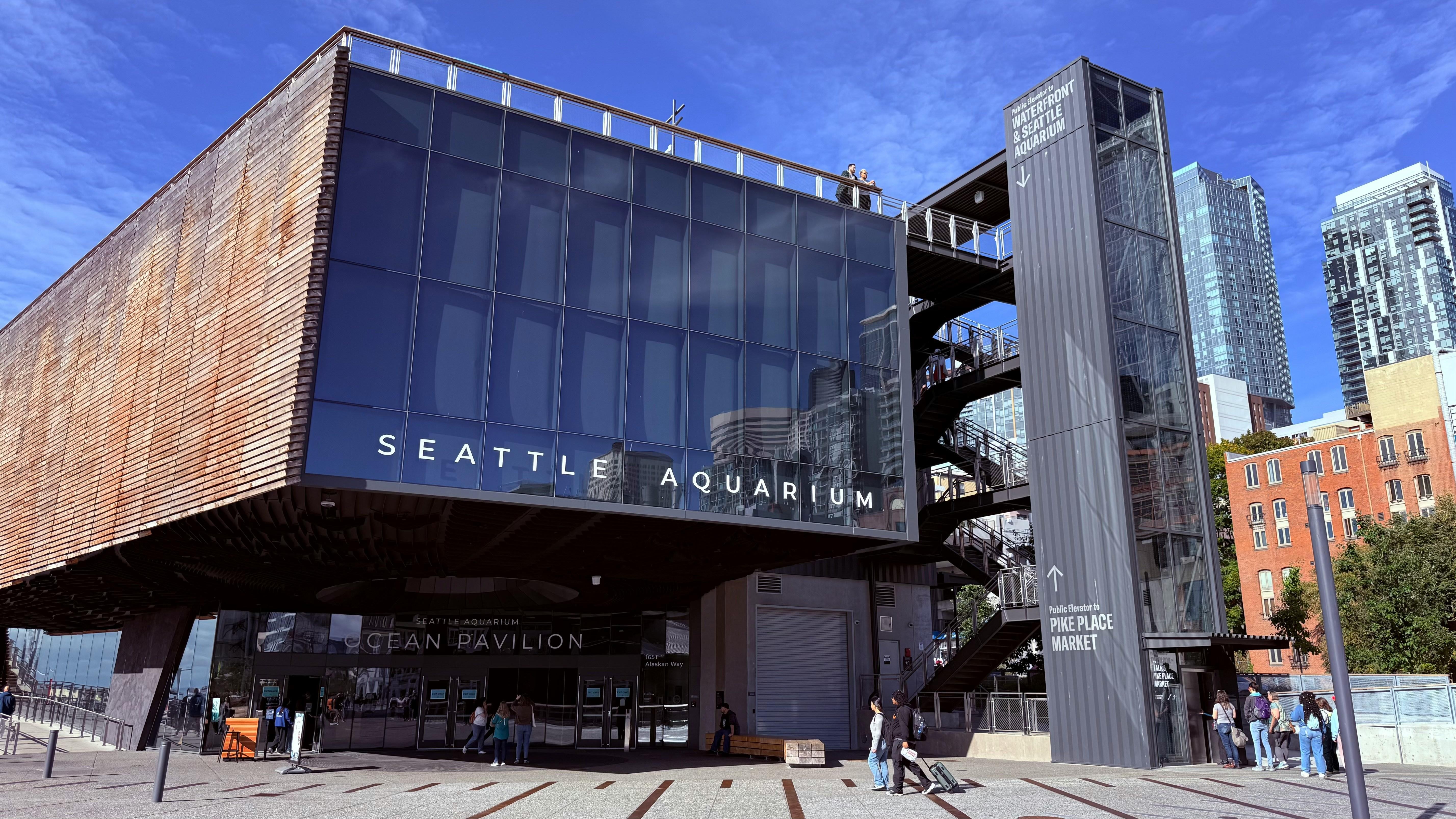
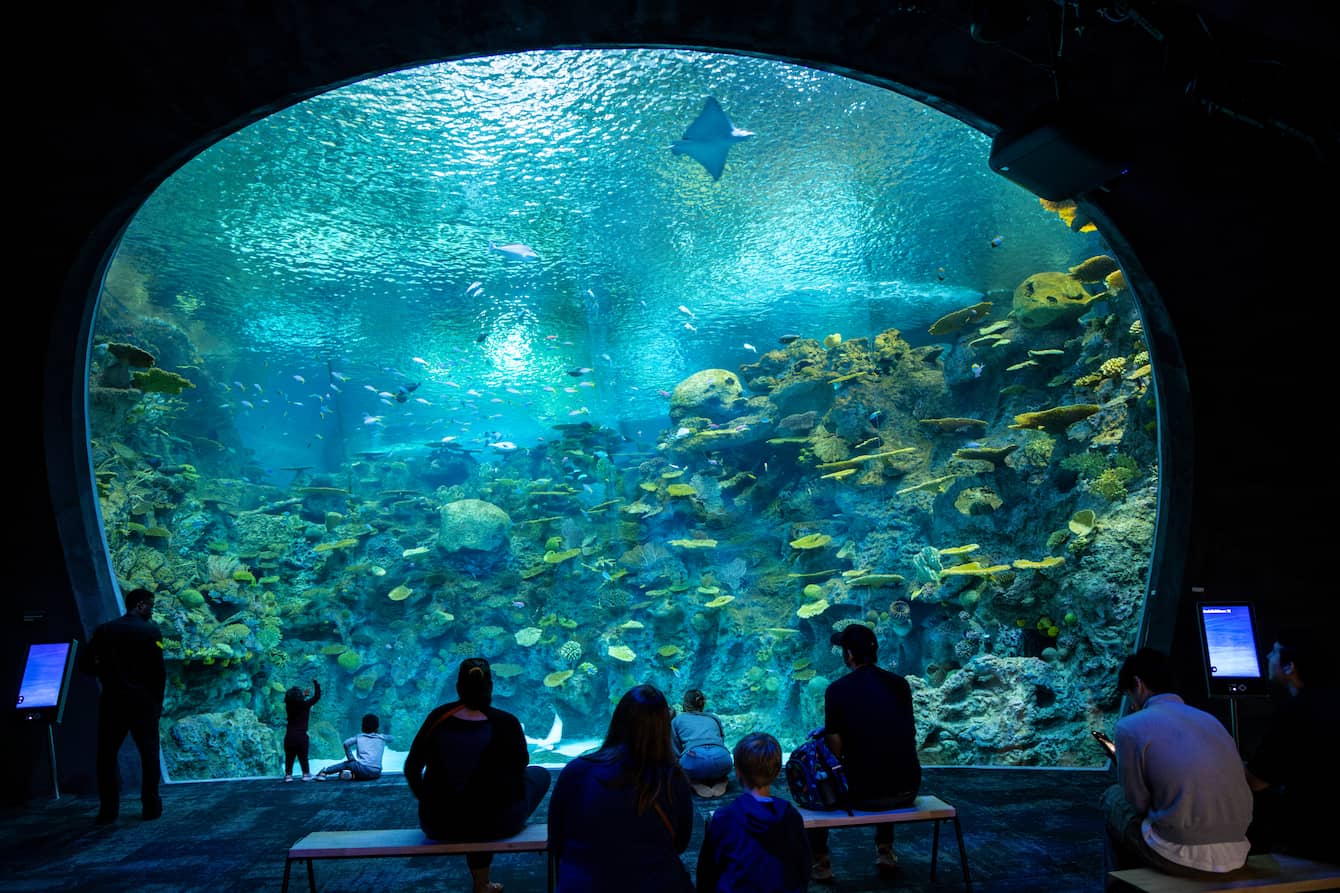
Explore Puget Sound marine life, otters, seals, and tropical reefs on a guided Seattle Aquarium tour.
1.5 - 2 hours
Free Cancellation
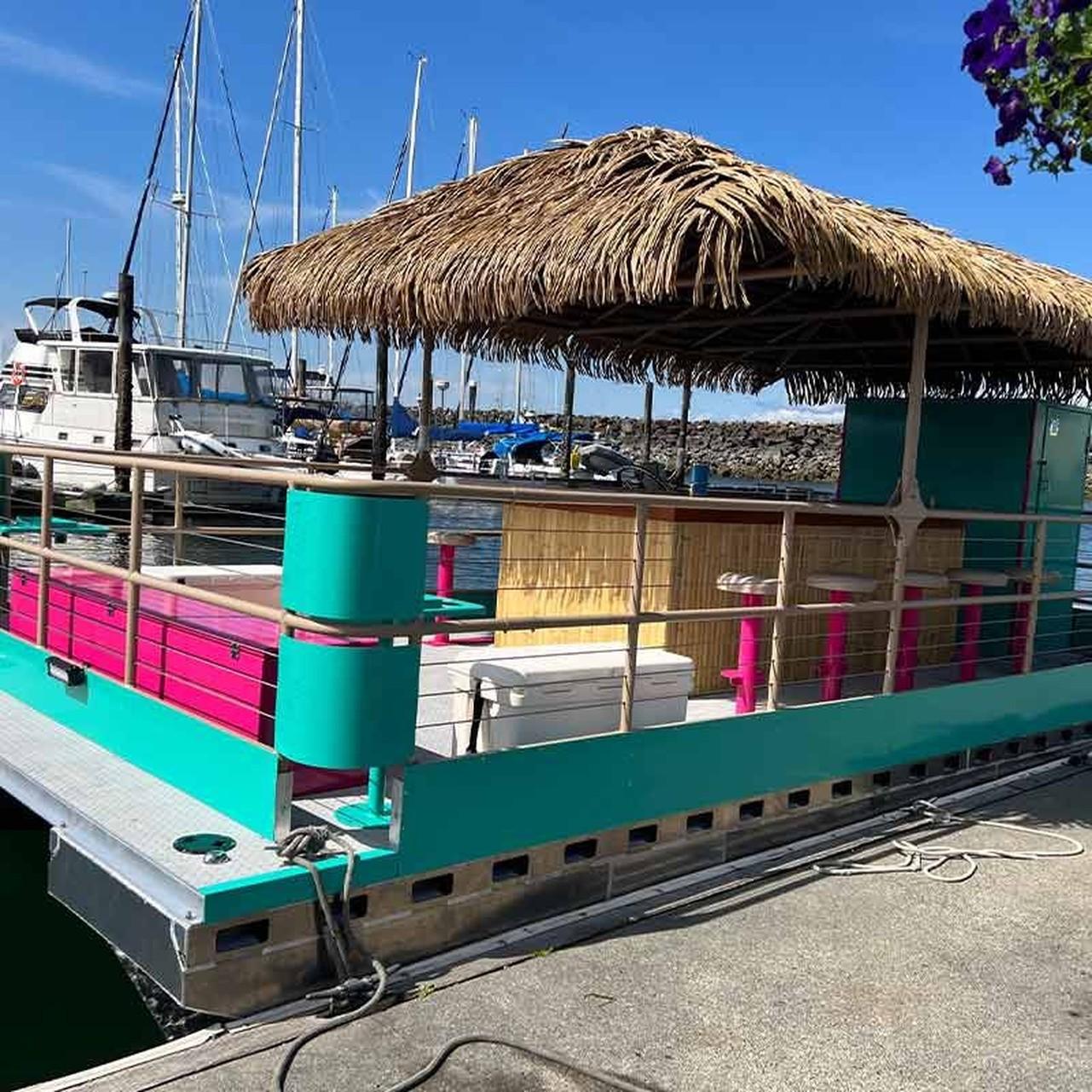
Cruise Seattle's urban waterway aboard your own floating tiki bar with space for up to 18 guests
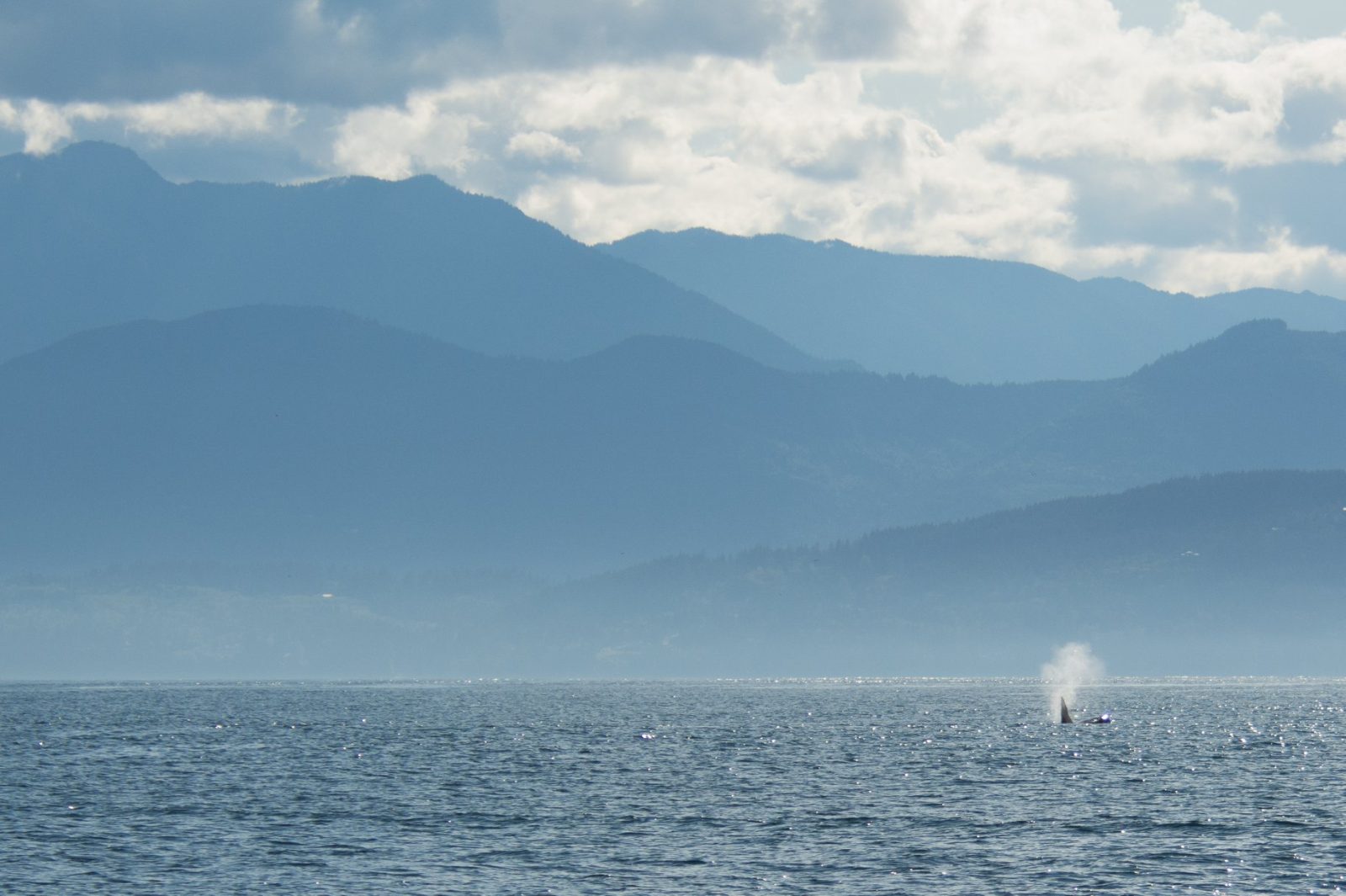
Prime corridor for Southern Resident Orca sightings known for deep water channels.
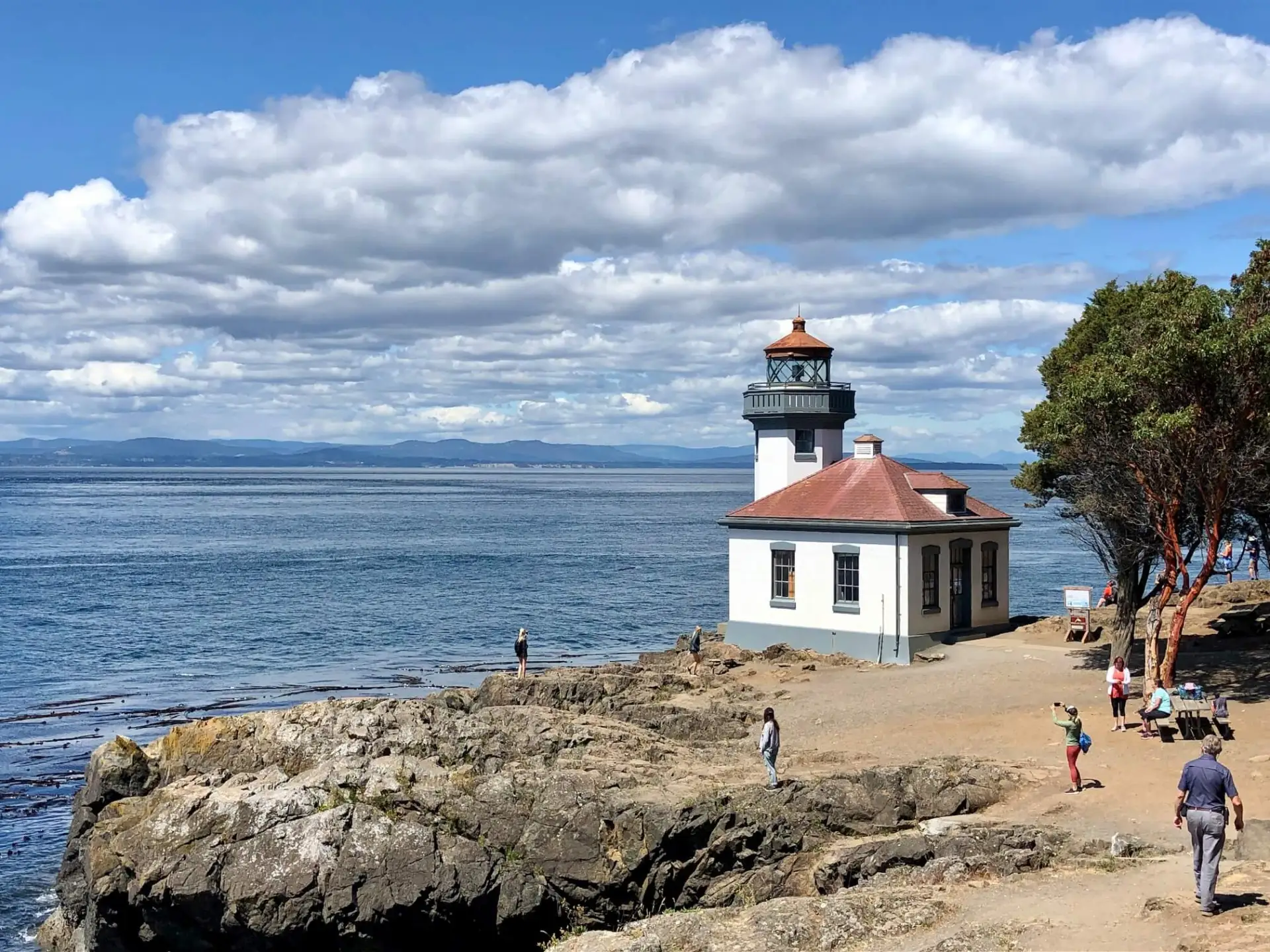
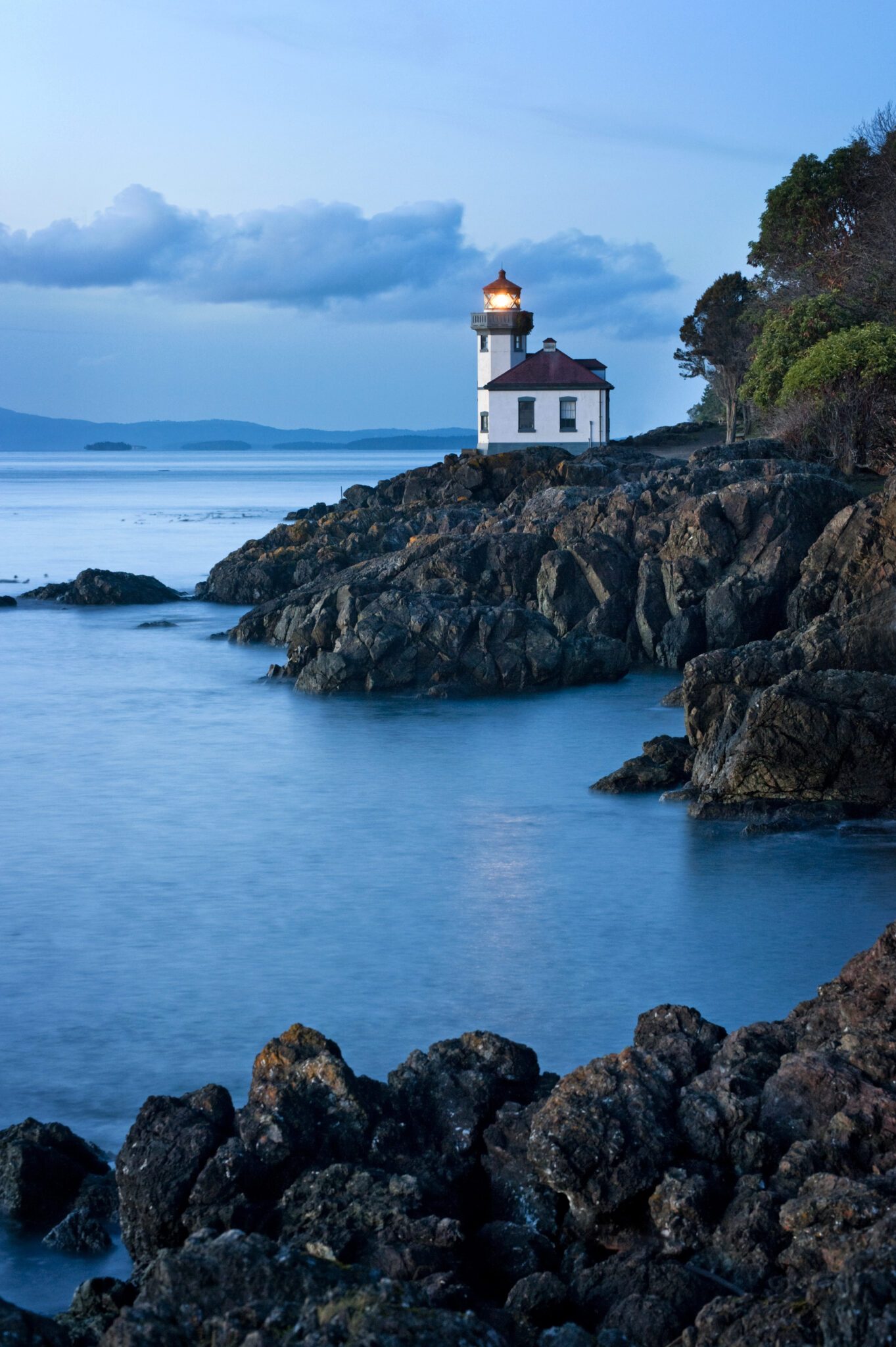
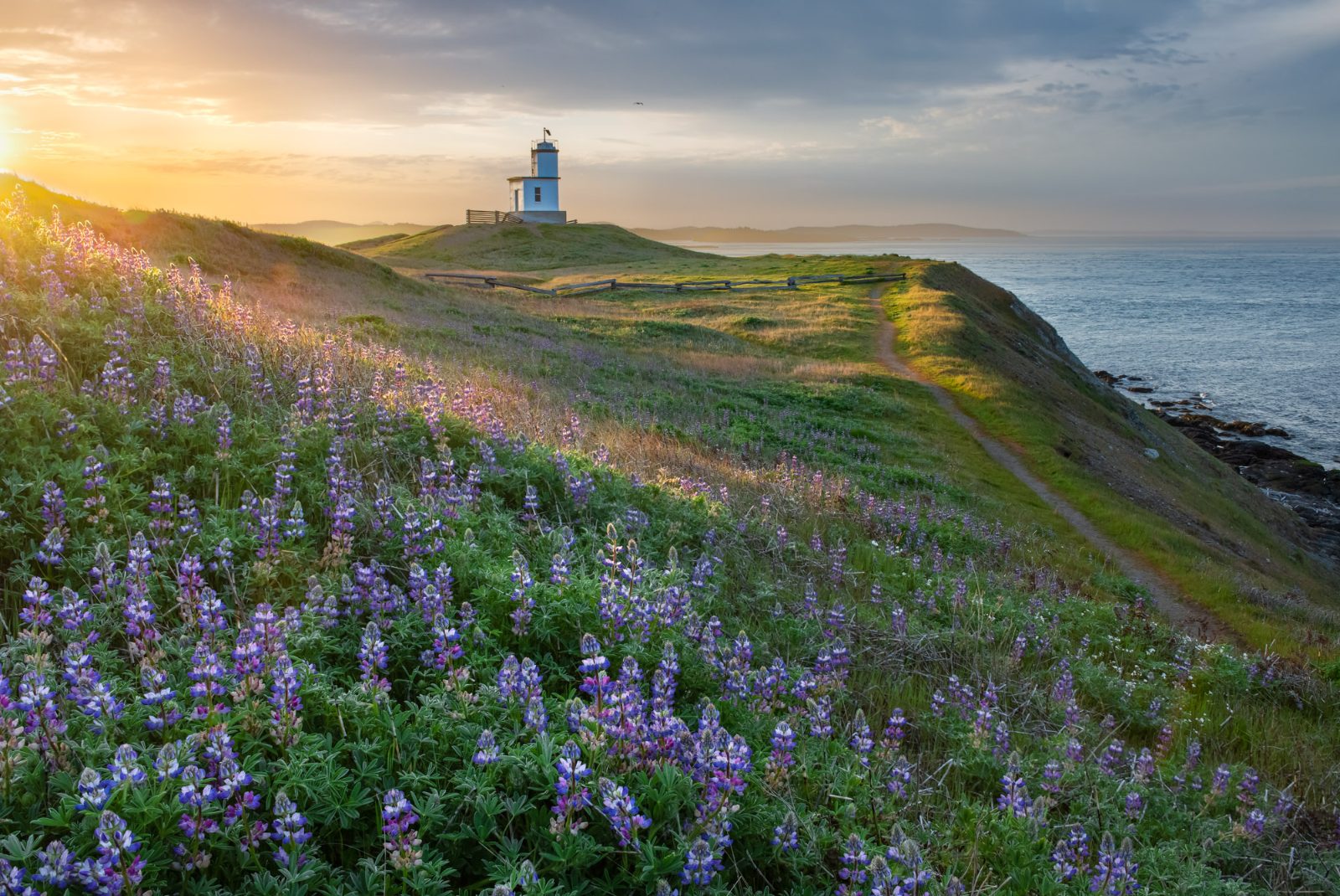
Iconic lighthouse landmark where whales frequently swim close to the rocky shoreline.
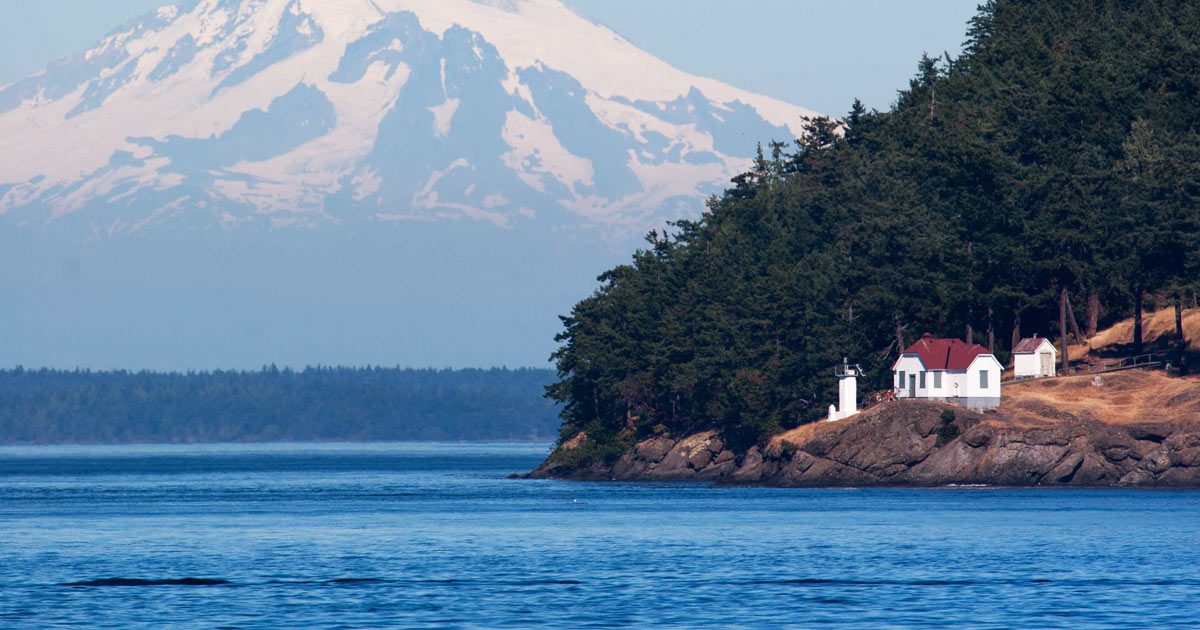
The nutrient-rich ecosystem providing the habitat for diverse marine megafauna.
Protected waterway often used by transient whales to hunt seals and porpoises.
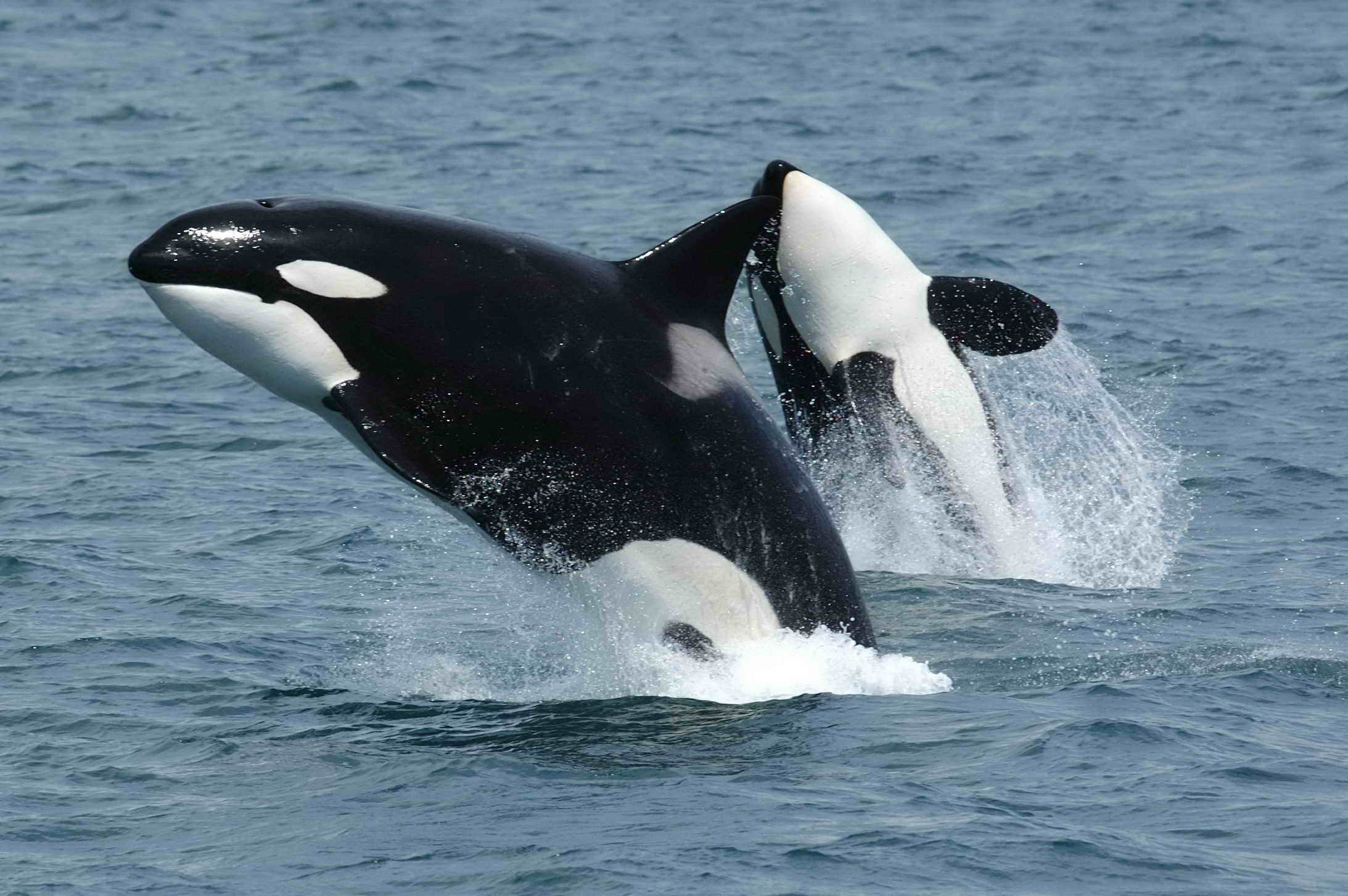
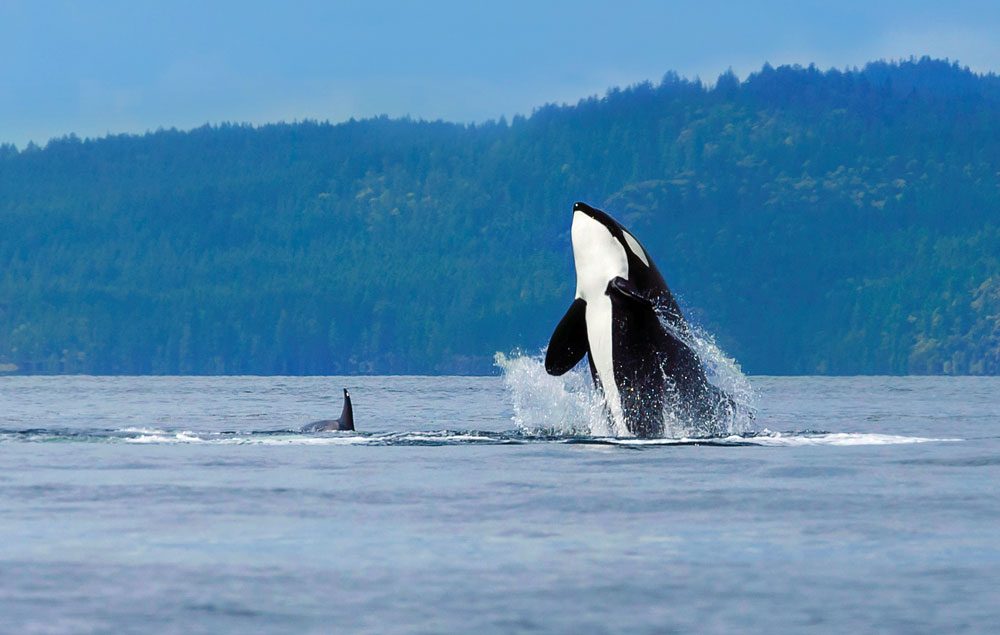
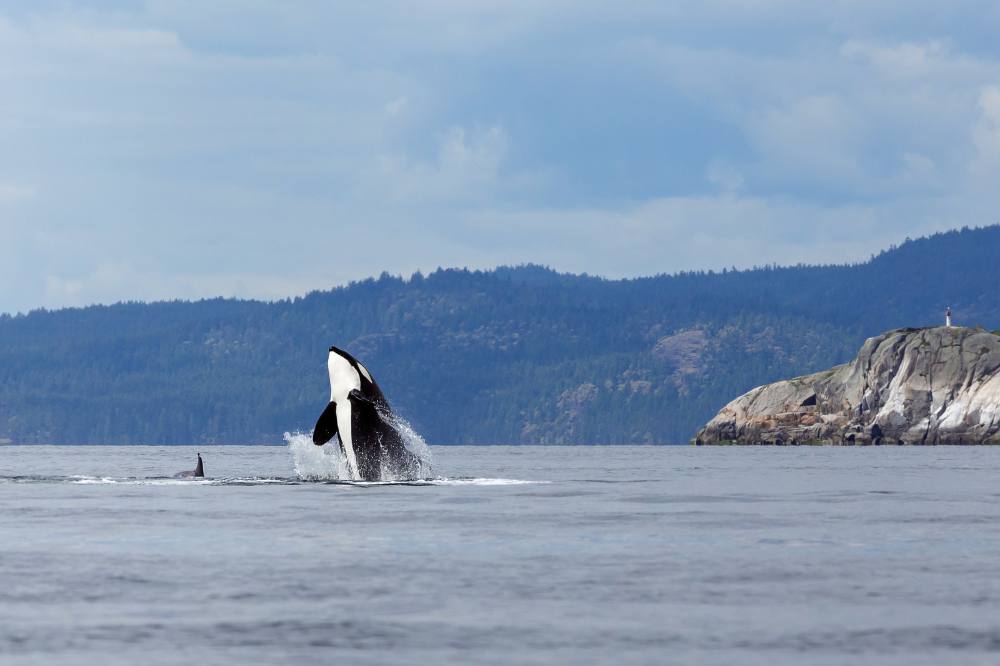
Social groups of killer whales that are the highlight of the regional marine wildlife.
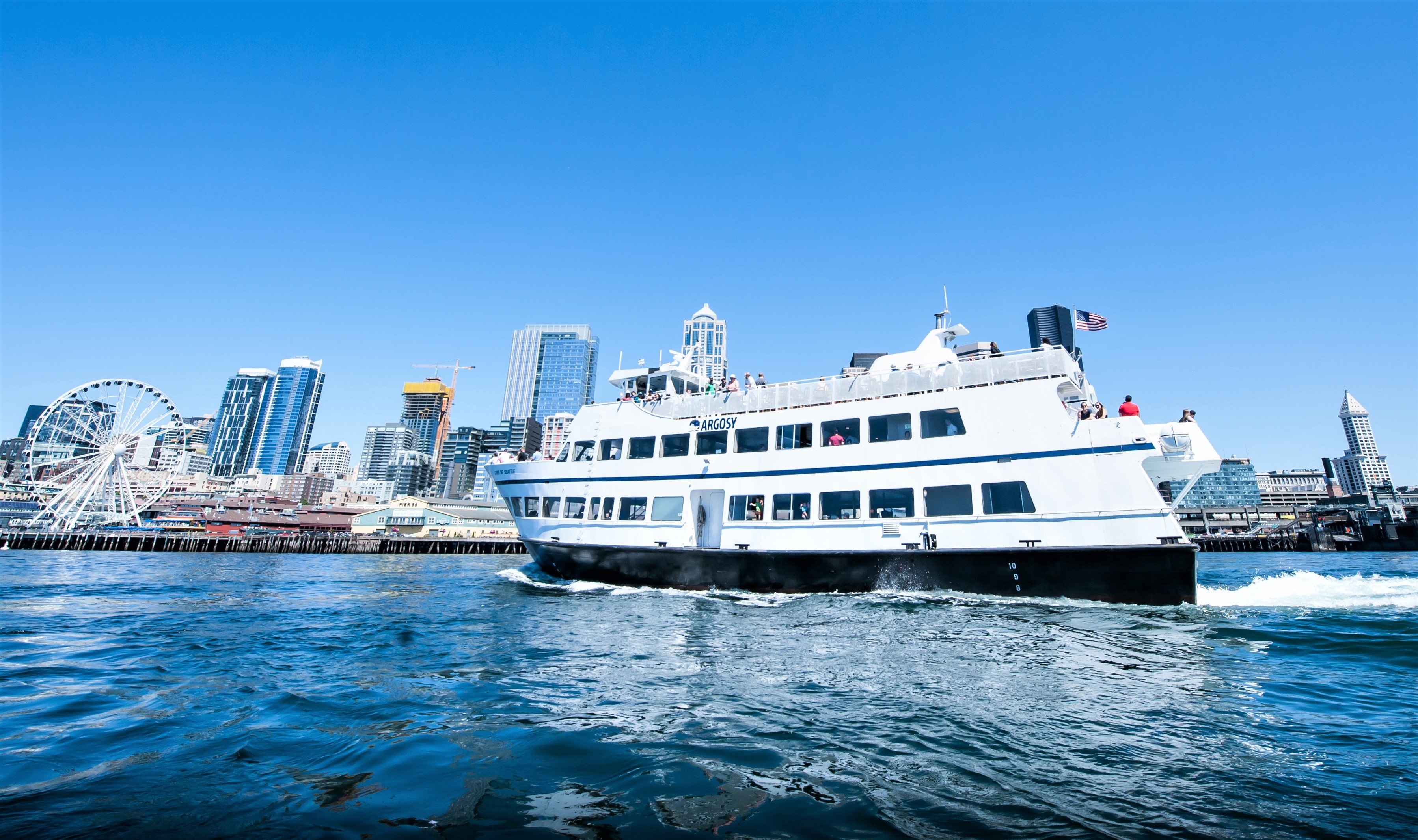
You board in Seattle or Edmonds before nine, stepping onto a boat that will carry you north through island passages for the next seven hours.
The first leg crosses open water—Possession Sound, then Deception Pass if the tide allows—while the naturalist briefs you on orca ecotypes, hydrophone signals, and the day's sighting reports. Binoculars are distributed. Coffee is poured.
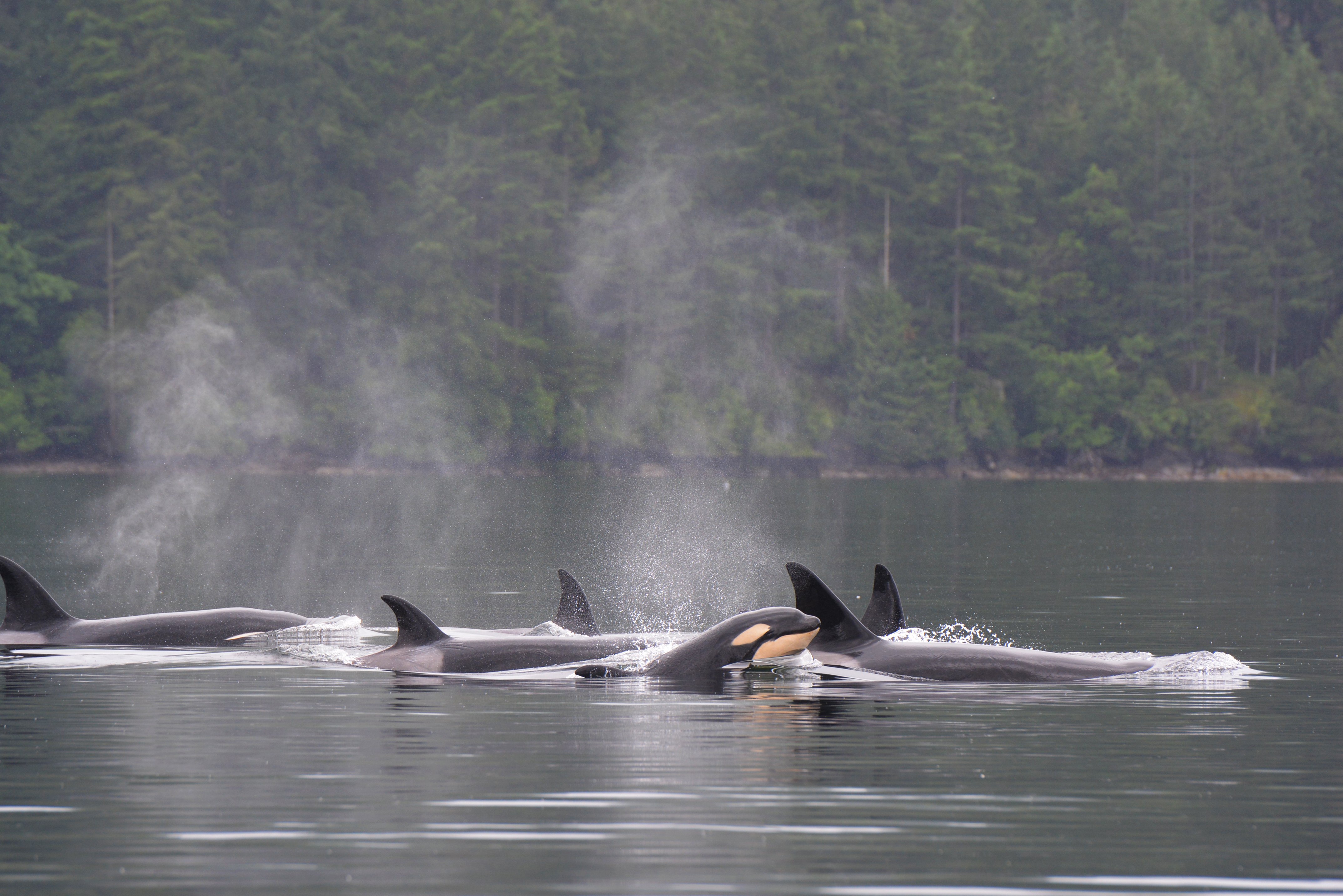
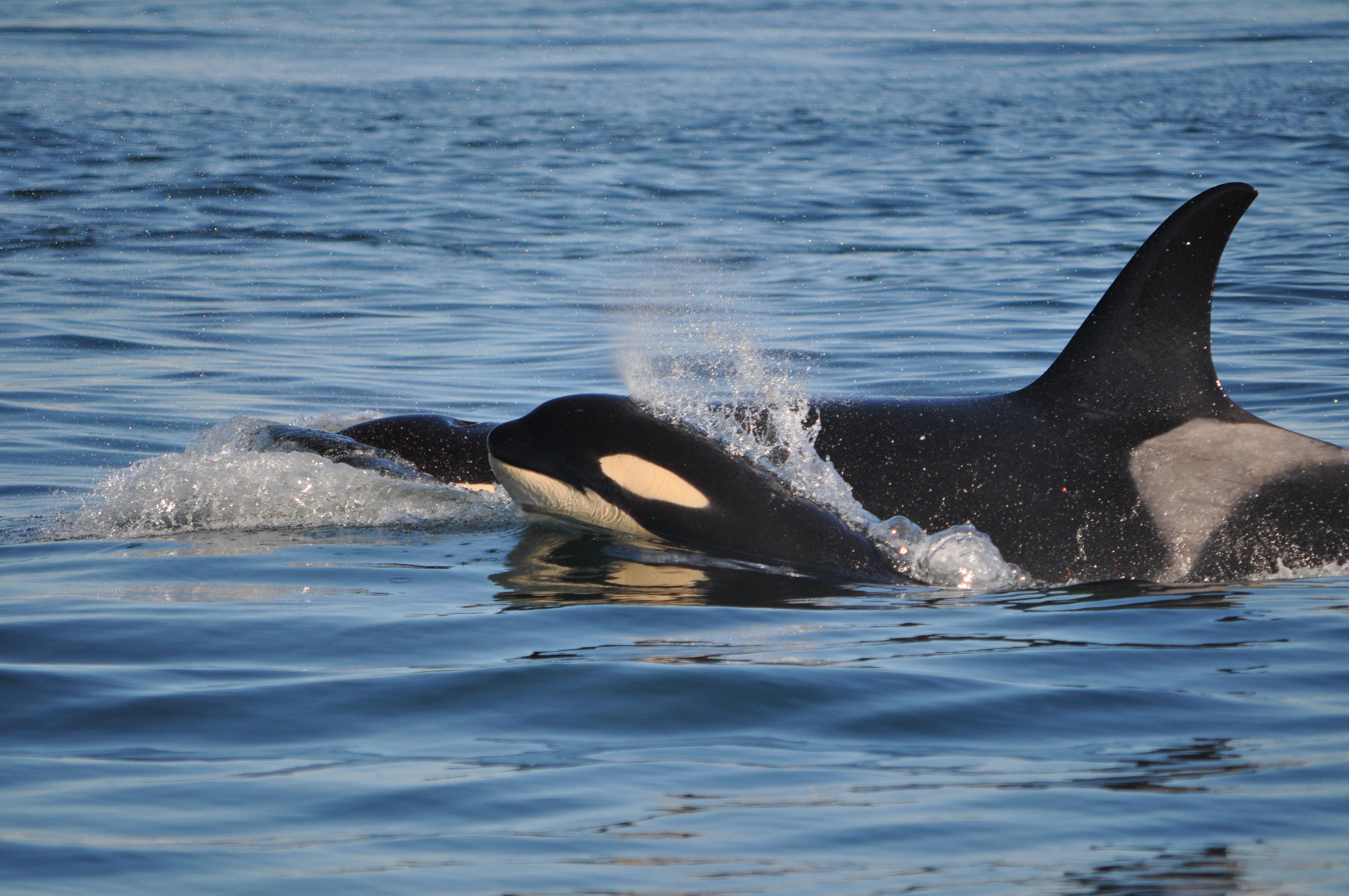
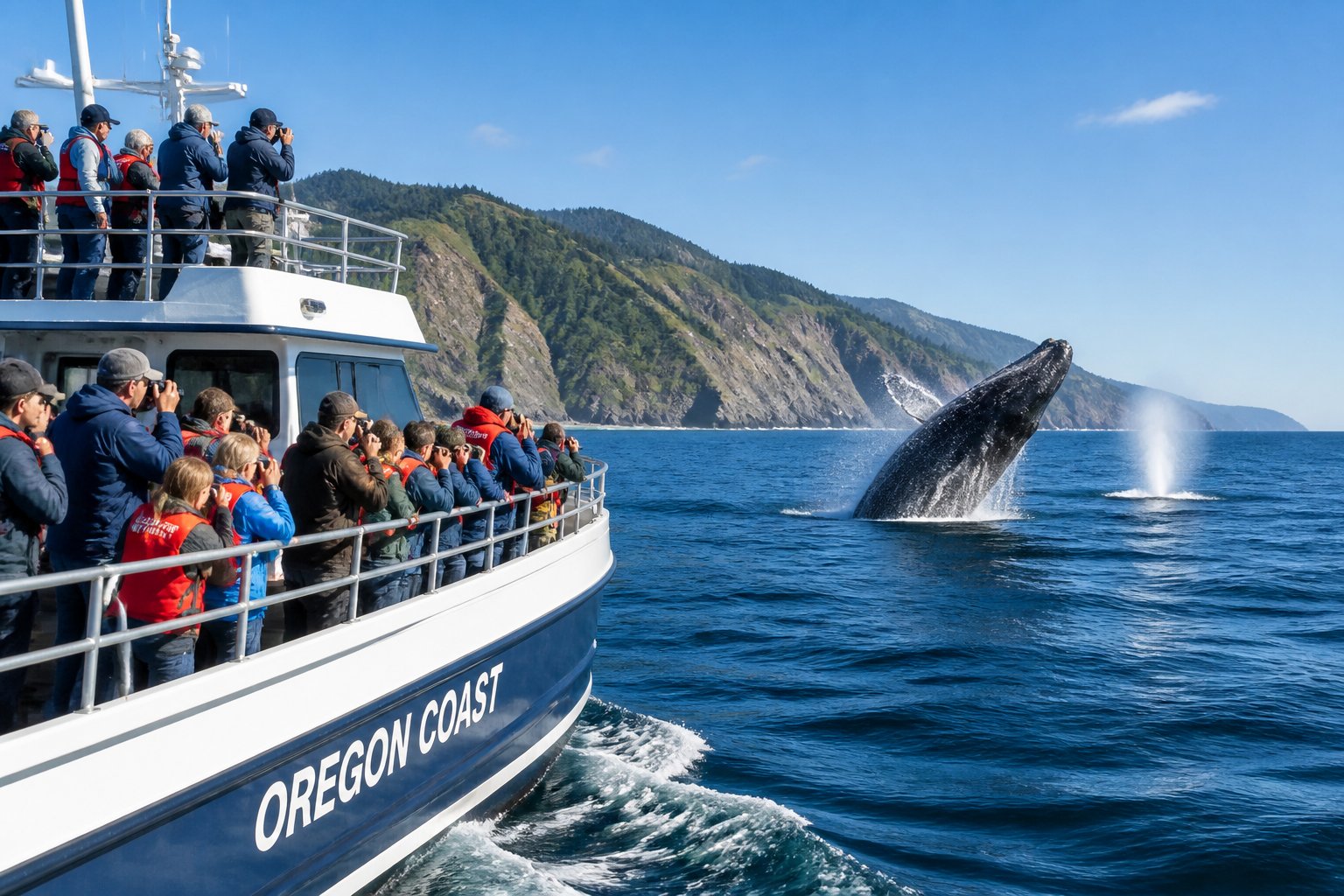
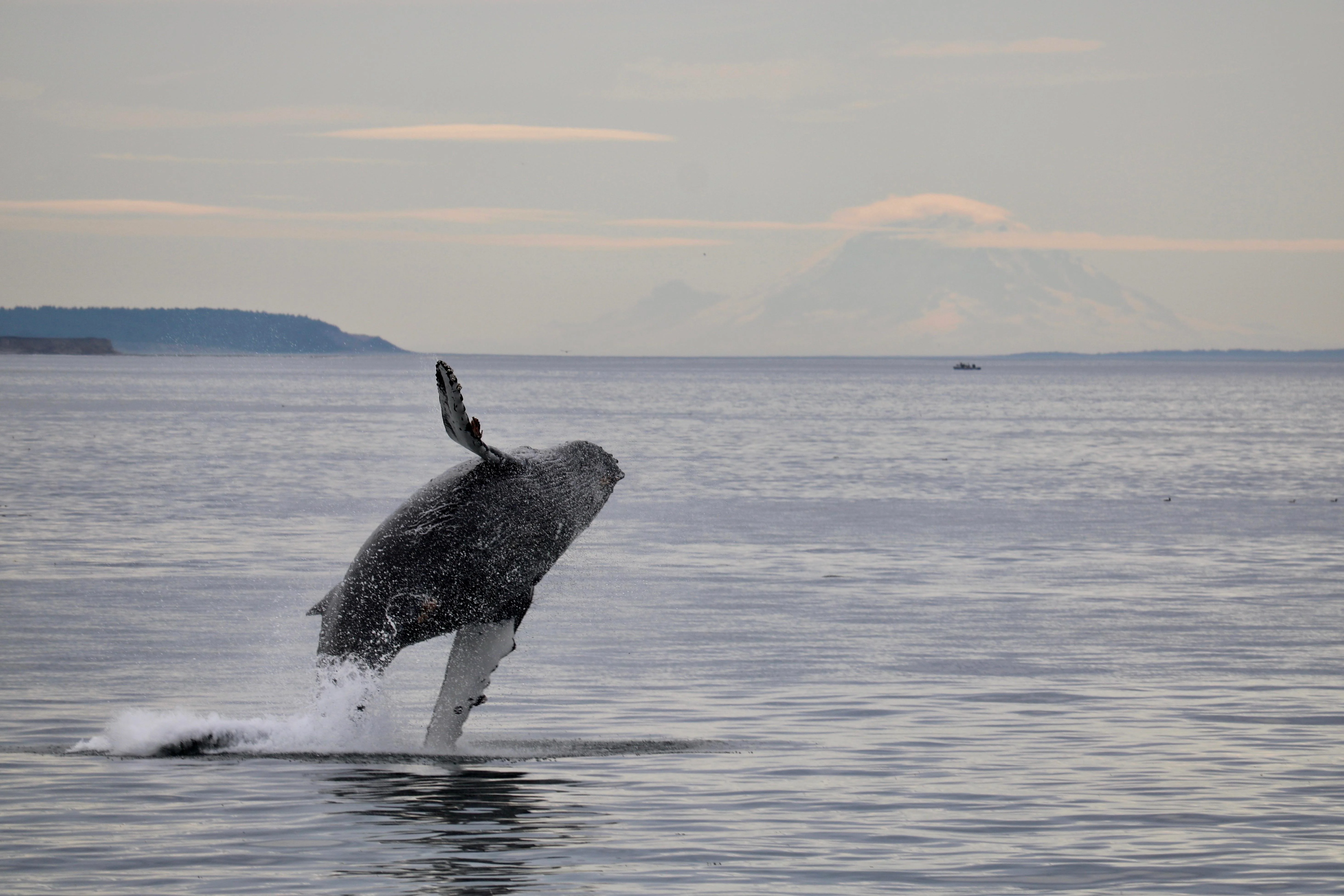
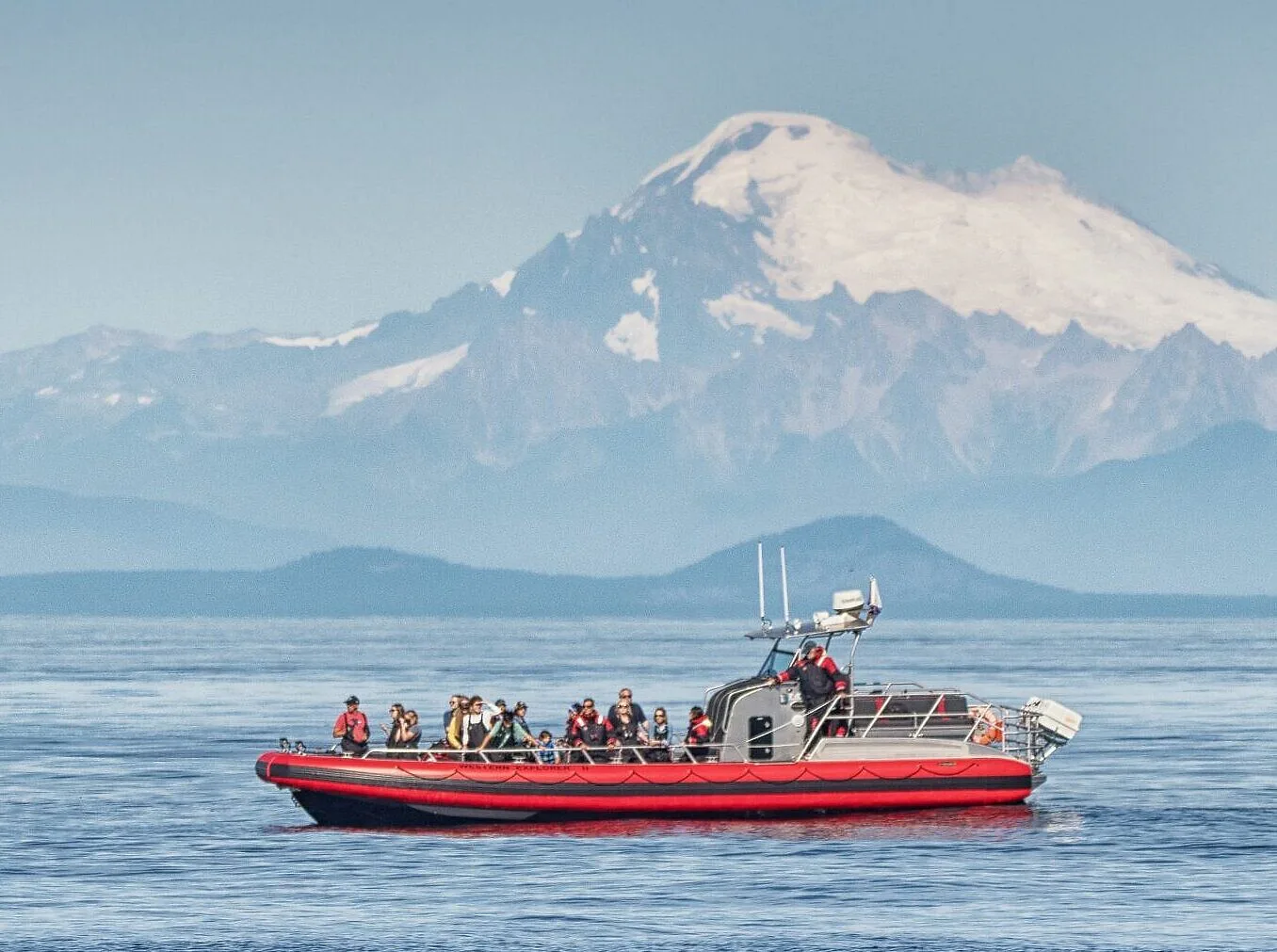
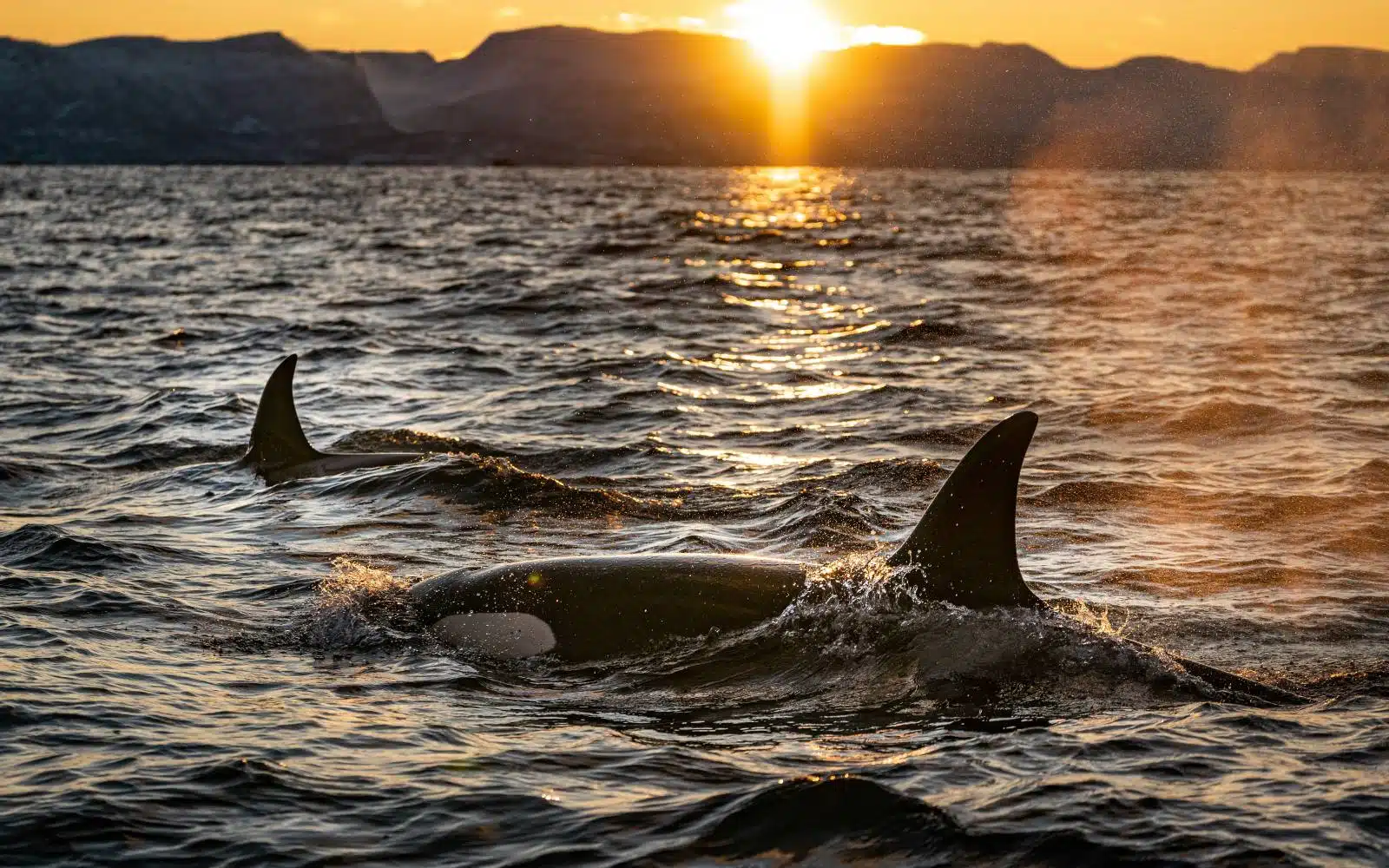
By mid-morning you enter the San Juan archipelago, and the captain cuts speed near Lime Kiln Point, where resident pods are often spotted. You scan the horizon for blows—the sharp exhale of a surfacing whale, visible as a vertical mist. When the call comes over the radio, the boat turns west. You see the dorsal fins first: a cow and calf traveling in tight formation, their bodies rolling in unison as they dive. The boat drifts. You watch them surface three more times, each breach closer, their exhalations audible across the water.
The naturalist identifies them by dorsal notches and saddle patches, matching them to the photo-ID catalog. You circle back toward Seattle in the late afternoon, the Olympic Mountains sharpening against the western sky, your memory now carrying the rhythm of their breathing.
All the details about your upcoming adventure in one place
The southern resident orca pods—J, K, and L—return to the Salish Sea each spring, following Chinook salmon runs through Haro Strait and Boundary Pass.
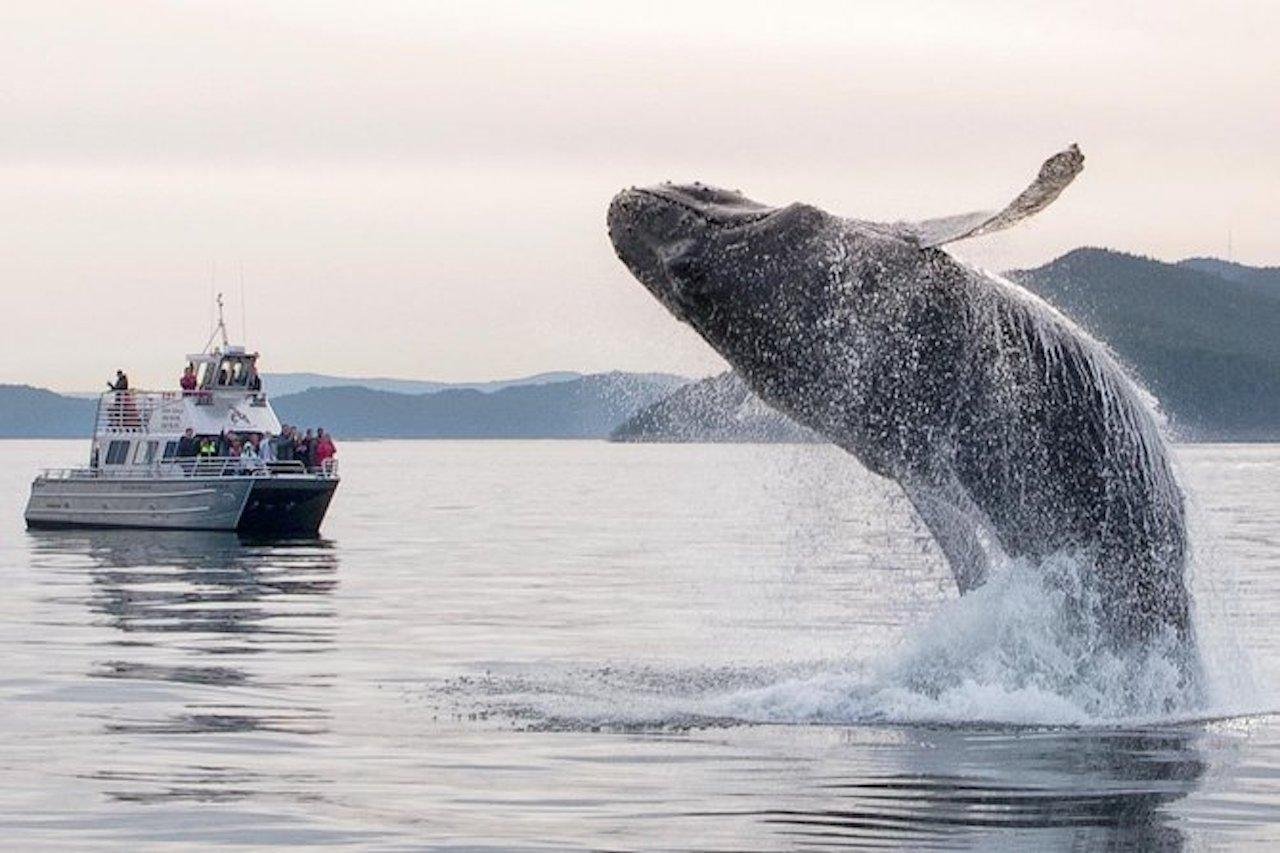
These three family groups, numbering fewer than seventy-five individuals, have occupied these waters for millennia, their survival now dependent on salmon recovery and vessel traffic management. Transient orcas, harbor porpoises, Dall's porpoises, and Steller sea lions occupy the same channels year-round, while gray whales migrate through in March and April, and humpback whales arrive each summer, their numbers rising since the mid-1990s.
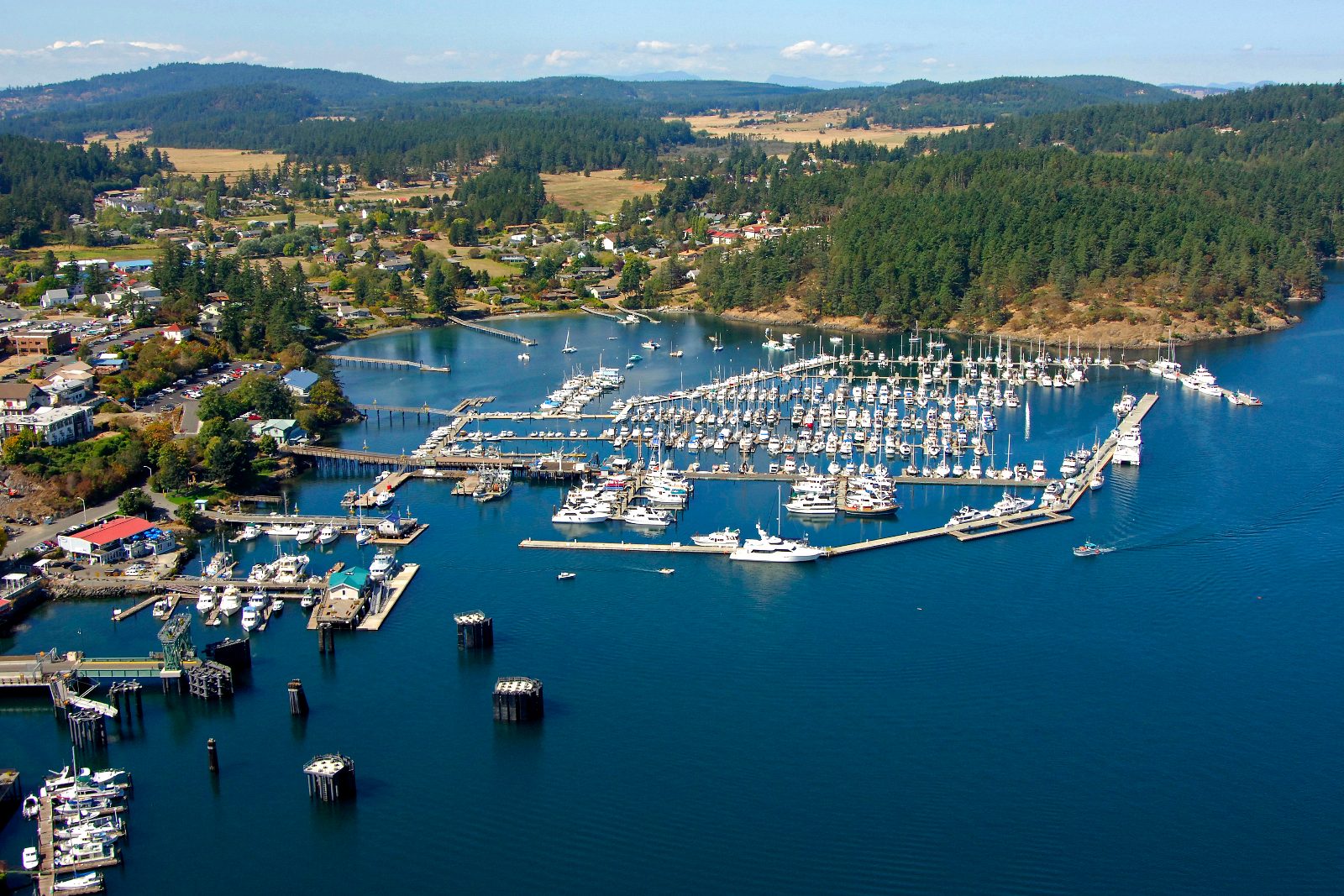
The archipelago sits ninety miles north of Seattle, accessible by ferry from Anacortes or private vessel from Puget Sound marinas. Most commercial whale watching operations depart from Anacortes, Friday Harbor, or Deer Harbor, though a growing number of tour operators now offer direct departures from Edmonds and Seattle, eliminating the ferry transfer. These Seattle-origin tours typically operate as full-day expeditions, combining the inland passage through Possession Sound and Rosario Strait with three to four hours of active whale tracking near San Juan Island's west side, where orcas are most frequently sighted between May and October.
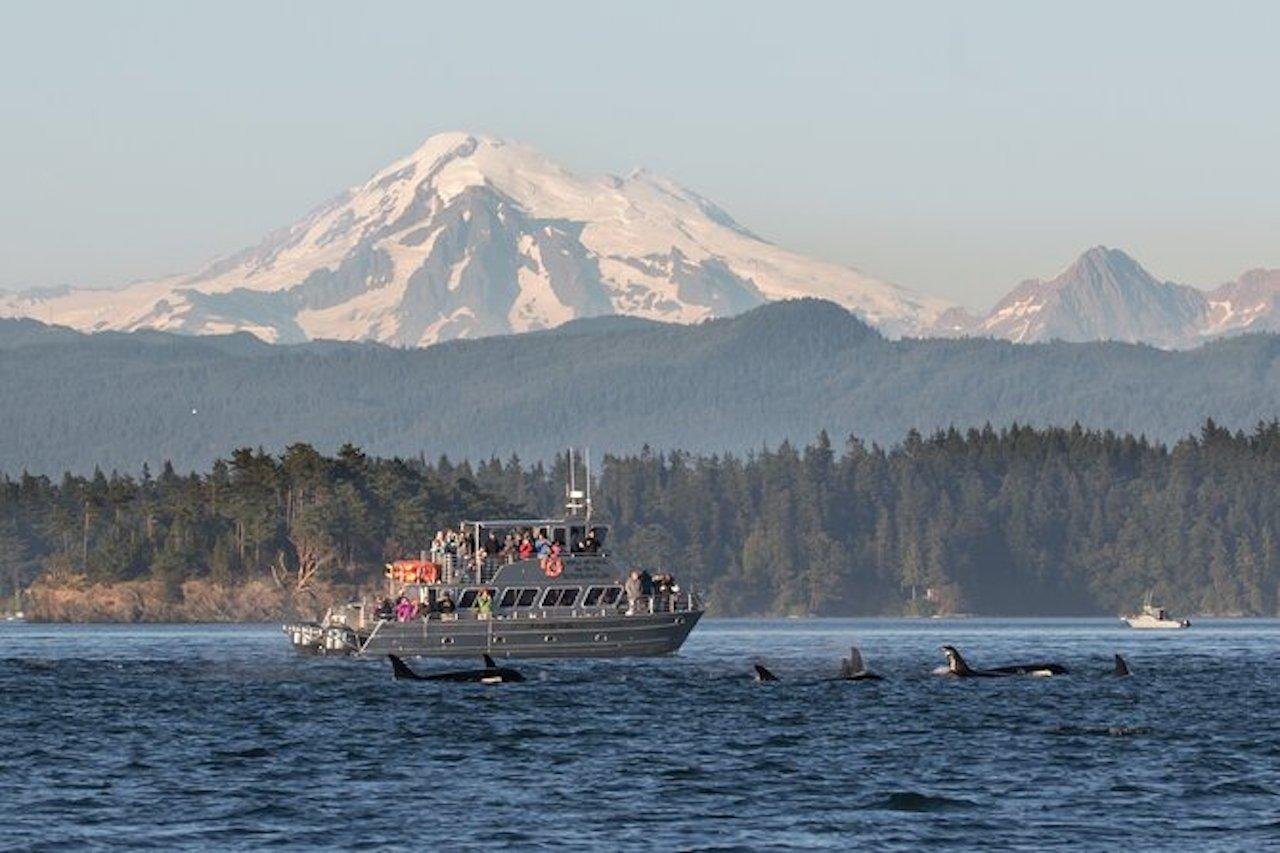
Naturalists aboard these vessels monitor hydrophone networks and coordinate with other boats to locate whales while maintaining the hundred-yard legal buffer established by federal marine mammal protection regulations. The boats themselves range from high-speed Zodiacs carrying twelve passengers to seventy-foot diesel cruisers with heated cabins and upper viewing decks. Departure times cluster between eight and nine in the morning, when tidal exchanges are strongest and marine activity peaks. Sightings are never guaranteed—whale watching remains an exercise in patience, weather interpretation, and ecological knowledge—but encounter rates from May through September exceed eighty-five percent on most routes.
San Juan Islands whale watching from Seattle represents one of the few opportunities in the continental United States to observe wild orcas in their natal habitat, a distinction that draws marine biologists, photographers, and families willing to commit six to eight hours to the pursuit. The experience depends less on proximity than on duration: time spent watching a pod surface, breathe, dive, and resurface in coordinated rhythm, their dorsals cutting the water in patterns passed down through generations.

The southern resident orcas return each spring, following Chinook salmon through Haro Strait, their survival now tied to salmon recovery and vessel management.
Wear multiple warm, moisture-wicking layers including a windproof jacket. Even on sunny days, the marine air remains cool during san juan islands whale watching from seattle excursions.
Only small personal bags are permitted on board due to limited storage space. All passengers may be subject to a visual check of carried items before boarding any san juan islands whale watching from seattle tour.
Photography is encouraged, but ensure your gear is protected from sea spray. Many visitors use their san juan islands whale watching from seattle tickets to capture high-quality marine wildlife imagery.
Children are welcome on most san juan islands whale watching from seattle tours, though age minimums may apply based on weather conditions. Coast Guard-approved life vests are provided for all young guests.
Vessel accessibility for san juan islands whale watching from seattle varies; please verify specific boat configurations with your operator. Staff assist with boarding where infrastructure allows.
Passengers may bring light snacks and water in reusable containers on their san juan islands whale watching from seattle excursion. Avoid heavy meals to prevent motion sickness.
Opening Hours
08:00–18:00
Address
San Juan Islands, Washington, USA
Accessibility
Varies by vessel; contact operator for mobility assistance
Best Arrival
08:30–09:30
Storage
Limited space; small soft-sided bags recommended
Location
Departures from Seattle and Edmonds
Car · 60 min
Parking available near downtown Seattle piers; allow extra time for traffic.
Public transport · 45 min
Light Rail to downtown followed by a short walk to the waterfront.
Full refunds are typically available for cancellations made 48 to 72 hours prior to departure. No entrance fee of 0 USD applies as costs are determined by individual tour ticket prices.
Recommended time
10-12 hours
Planning your san juan islands whale watching from seattle itinerary requires accounting for significant transit time between the mainland and the archipelago. Securing your san juan islands whale watching from seattle tours in advance is essential given the high demand for departures from the Seattle and Edmonds area. Most san juan islands whale watching from seattle tickets include a full day of travel, meaning you should account for additional time if you wish to explore local marine life centers or harbor villages after your boat returns. Peak passenger volume occurs mid-day, so arriving early ensures a smoother embarkation process for your excursion.
Crowd levels through the day
Weather · crowds · average price — dots go green to amber to red as each metric rises.
Migratory patterns begin with higher chances of seeing Gray whales.
Peak season for Orcas with consistent weather and longer days.
September offers calmer seas, making it a favorable time for san juan islands whale watching from seattle.
Limited operations focus on wintering species.
Take motion sickness remedies at least an hour before departure. Keep your eyes on the horizon while on board to maintain balance.
Bring your own high-quality binoculars to track distant dorsal fins. Most operators provide brief guidance on how to scan the water effectively.
The temperature on the water is significantly lower than in the city. Always carry an extra sweater or windbreaker even if it feels warm at the dock.
The san juan islands whale watching from seattle emerged from a collision of conservation awakening and Pacific Northwest maritime tradition. Commercial whale watching in the archipelago began in 1976 when Captain Jim Maya launched the first guided orca tours from Friday Harbor aboard a converted fishing vessel. Maya, a former salmon troller, recognized that the resident Southern Resident killer whale pods—identified and catalogued by researcher Ken Balcomb starting in 1976—could anchor a new tourism economy as commercial fishing declined. By 1982, three outfitters operated summer excursions from the islands themselves, but the Seattle departure market remained untapped. The critical shift occurred in 1991 when Seattle-based operators secured permits to run direct multi-hour tours from Pier 69, eliminating the ferry transfer that had confined whale watching to island residents and overnight visitors. This innovation transformed san juan islands whale watching from seattle tours into a viable day trip for metropolitan travelers. The industry faced its first regulatory crisis in 2006 when NOAA established 200-yard approach limits for killer whales after studies documented behavioral disruption in foraging orcas. Operators adapted with hydrophone systems and naturalist-led education programs, reframing encounters as observation rather than pursuit. The 2018 death of Southern Resident orca J35, who carried her deceased calf for seventeen days, triggered emergency vessel restrictions and a cultural reckoning. Washington State imposed temporary no-go zones and mandatory 400-yard distances for endangered Southern Residents while maintaining 200-yard limits for transient orcas and humpback whales. Today's san juan islands whale watching from seattle tickets include mandatory pre-departure briefings on these tiered protocols. Departures from Edmonds and Seattle now emphasize humpback whale populations, which rebounded dramatically after 1960s whaling bans, while Southern Resident encounters—once guaranteed marketing copy—are framed as privileged, unscripted events within a broader Salish Sea ecosystem narrative.
Captain Jim Maya launches first commercial orca tours from Friday Harbor as Ken Balcomb begins systematic killer whale population studies.
Three island-based operators establish summer whale watching seasons, serving ferry-dependent visitors.
Seattle outfitters secure permits for direct mainland departures, creating the day-trip market from Pier 69.
NOAA mandates 200-yard vessel approach limits for all killer whales following behavioral impact research.
Humpback whale sightings surge in the Salish Sea as populations recover from twentieth-century commercial whaling.
Death of orca J35 and calf triggers emergency vessel restrictions and 400-yard zones for endangered Southern Residents.
Washington State codifies tiered approach rules distinguishing endangered Southern Residents from transient orca populations.
Industry shifts marketing emphasis toward humpback guarantees while reframing Southern Resident encounters as conservation privileges.
Position your lens near the water's edge to capture the vessel's departure with the Puget Sound as a backdrop before embarking on your san juan islands whale watching from seattle journey.
This historic lighthouse provides a clear vantage point for observing marine life from the rocky shoreline, often used by researchers to track orcas.
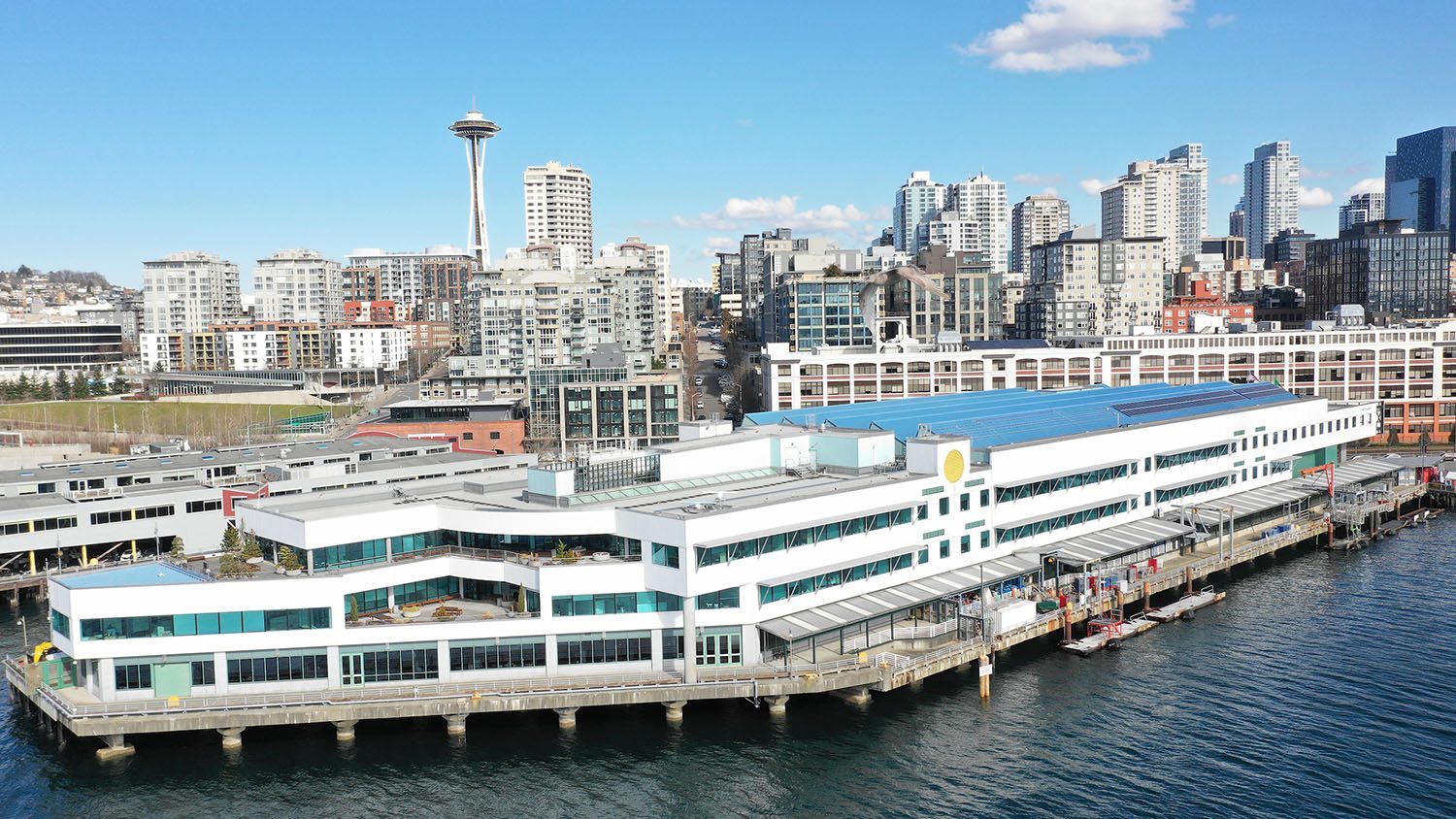
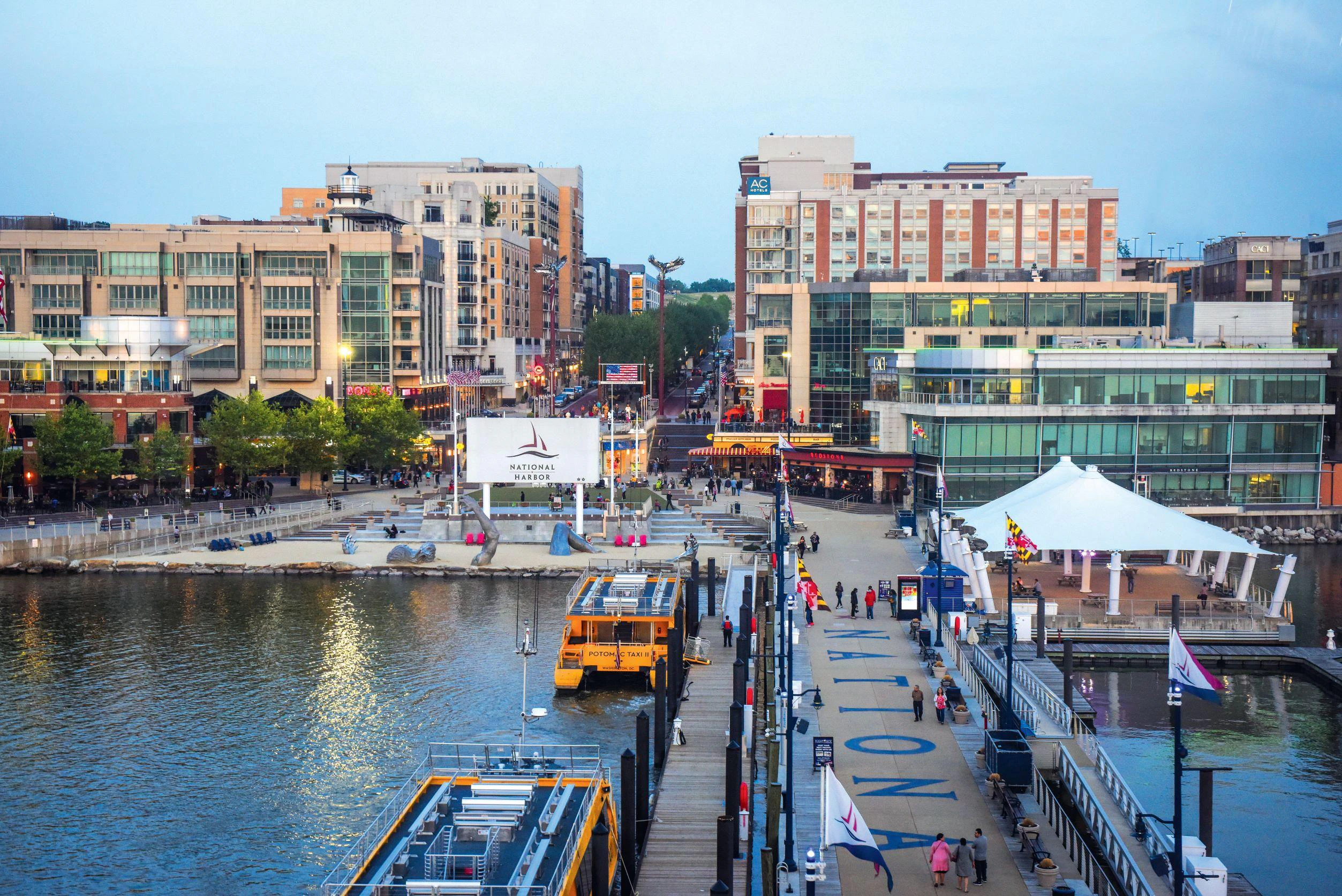
Capture the dynamic urban skyline contrasting with the maritime activity at the ferry terminal, serving as a primary hub for san juan islands whale watching from seattle tours.
The bustling docks offer high-quality opportunities to photograph marine vessels and harbor seals resting on nearby pilings.
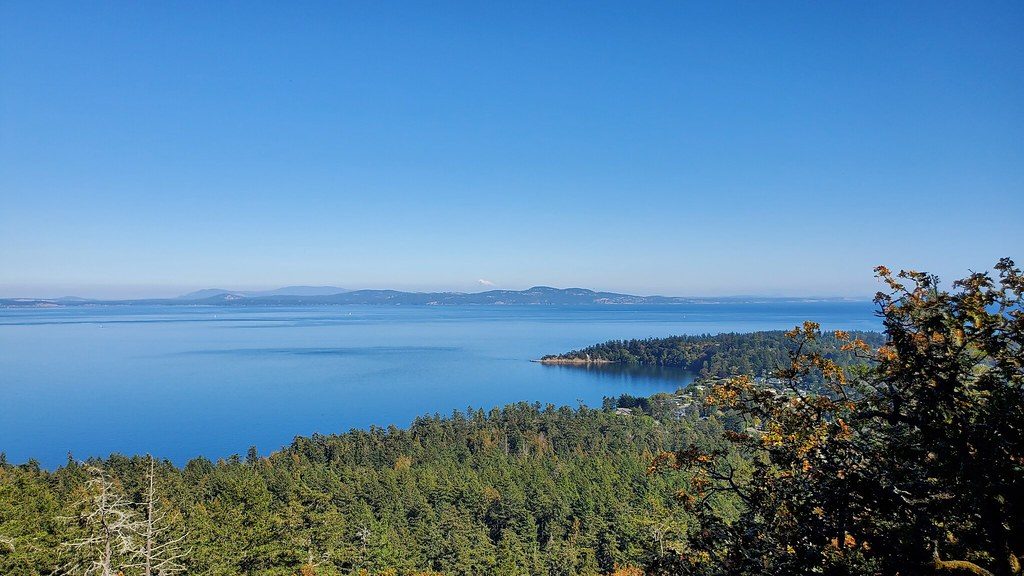
Situated on the southeastern tip of San Juan Island, this spot allows for wide-angle shots of the horizon where the Salish Sea meets the sky.
Embarking on san juan islands whale watching from seattle requires careful planning to manage long hours on the water with young children. These coastal expeditions offer families a chance to observe marine wildlife in their natural habitat, though the open sea environment demands preparation for varying weather conditions.
Most vessels used for these San Juan Islands whale watching from seattle tours have limited deck space, meaning bulky strollers are typically not permitted on board. Plan to bring a wearable baby carrier to keep your hands free and your child secure while navigating the vessel.
The extended duration of a san juan islands whale watching from seattle tour can be challenging for toddlers, so providers often recommend these trips for children aged five and older. Older kids usually handle the wind and spray better, though sea sickness medication should be discussed with a pediatrician beforehand.
Restrooms are available on most larger vessels, but changing tables are rarely provided in these compact marine settings. It is essential to arrive prepared with all necessary supplies for your child before boarding in the Seattle or Edmonds areas.
To ensure a stress-free start, target the best arrival window of 08:30–09:30 to avoid rushing with children. Taking advantage of these san juan islands whale watching from seattle tickets early in the day helps avoid the peak afternoon congestion.
Dining options near your San Juan Islands whale watching from Seattle tour are concentrated around the primary departure hubs in Edmonds and Anacortes. Planning for san juan islands whale watching from seattle requires mindful scheduling, as local cafes are busiest during the best arrival window of 08:30–09:30.
Located at the Edmonds waterfront, this venue provides harbor views perfect for those awaiting san juan islands whale watching from seattle tours. It features fresh seafood and breakfast options ideal for early mornings.;Cafe Louvre
Everything you need to know for your journey
The operator facilities operate from 08:00–18:00 daily.
Entrance fee is 0 USD, as participants pay for individual tour tickets instead.
Departures occur from Seattle and Edmonds; check your confirmation for your specific pier.
Cancellations are managed per operator policy, usually allowing refunds within a set window before your san juan islands whale watching from seattle tour.
Pack layers, binoculars, and sunscreen for your san juan islands whale watching from seattle experience.
Yes, children are welcome, provided they meet the safety requirements for the vessel.
Photography is permitted throughout the duration of your san juan islands whale watching from seattle excursion.
Use public transit or private transport to reach downtown piers before the 08:30–09:30 arrival window.
Tours continue in light rain; check with the operator if severe weather impacts your san juan islands whale watching from seattle tickets.
Historic market featuring fresh produce and local crafts.
Proximity to major transit hubs and waterfront piers.
Join thousands of happy travelers who have discovered this incredible experience
Book Your Experience Now